

a carefully choreographed diplomatic ballet
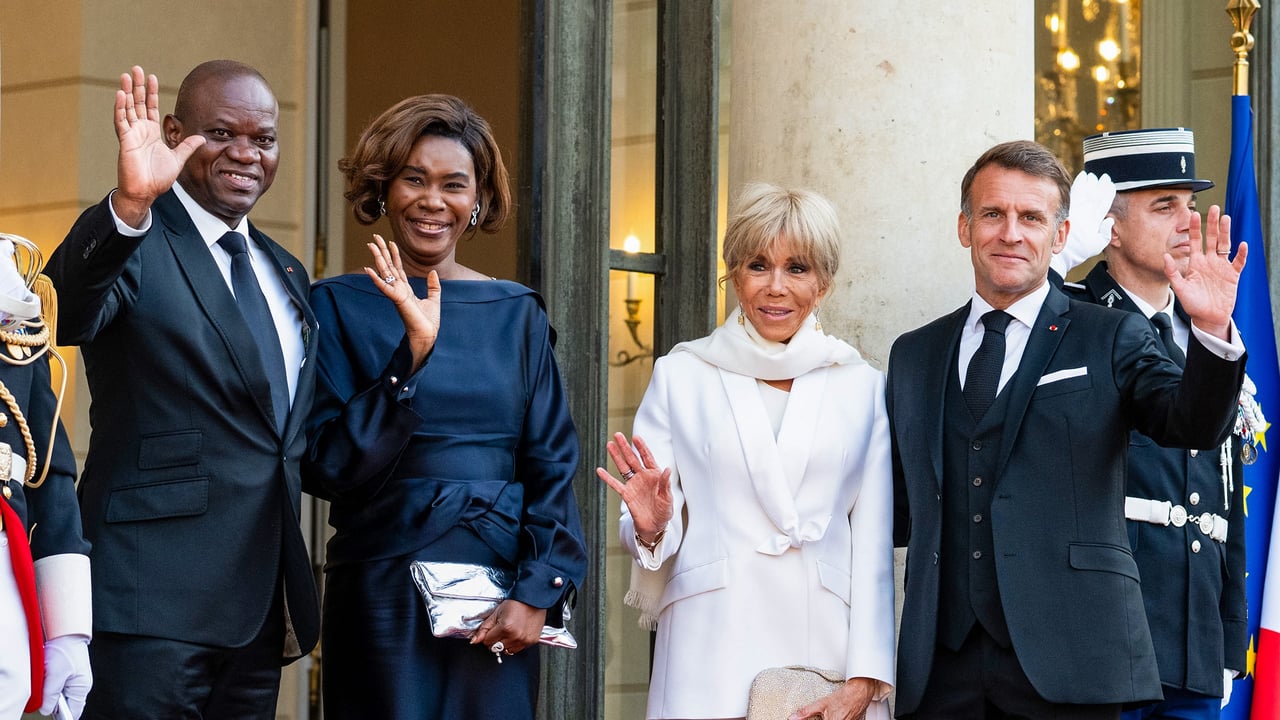
When Brice Clotaire Oligui Nguema arrived in Paris for his first state visit as Gabon’s transitional leader, the Élysée Palace rolled out the red carpet. The French President Emmanuel Macron and his wife Brigitte Macron personally greeted the Gabonese delegation, marking a deliberate display of mutual respect. The evening’s state dinner—a rare honor—was designed to underscore France’s commitment to strengthening ties with Libreville in this pivotal moment.
The visit unfolded against a backdrop of shifting geopolitical sands. Gabon, a long-standing French ally, has been navigating turbulent waters since the 2023 political transition. Paris sees this as an opportunity to recalibrate its engagement while maintaining influence in a region where rival powers are vying for influence.
economic cooperation takes center stage
Trade and investment dominated discussions behind closed doors. French officials positioned themselves as key partners in Gabon’s economic revival, particularly in critical sectors like mining, forestry, and renewable energy. Delegations from both nations explored frameworks to boost bilateral trade, which has seen fluctuations in recent years.
One of the most tangible outcomes was the announcement of €500 million in new financing commitments. These funds aim to support Gabon’s diversification efforts, reducing its reliance on oil—a sector that has long defined the country’s economic ties with France. Energy transition emerged as a recurring theme, with both sides agreeing to collaborate on sustainable development projects.
security and stability: a shared priority
The conversations also extended to regional security. Gabon sits at a crossroads in Central Africa, where instability in neighboring nations has raised concerns. France, already engaged in counterterrorism operations across the Sahel, reaffirmed its support for Libreville’s efforts to bolster domestic security.
While no formal military agreements were disclosed, both delegations emphasized the need for coordinated approaches to combat transnational threats. The discussions hinted at potential joint training programs and intelligence-sharing initiatives, though specifics remain under wraps.
diplomatic nuances and unspoken compromises
The visit was as much about symbolism as substance. The choice of a state dinner—typically reserved for close allies—sent a clear signal to Gabon’s new leadership that France views the transition as legitimate. Yet, beneath the pomp, subtle tensions lingered.
Oligui Nguema, who took power after the 2023 elections, has sought to distance Gabon from its traditional partners while courting new ones. France, however, remains a crucial player in Libreville’s calculations. The visit underscored Paris’s determination to remain a central figure in Gabon’s future, even as other global actors increase their footprint.
cultural exchanges and soft power
Beyond politics and economics, the visit celebrated Gabon’s rich cultural heritage. A series of high-profile events highlighted Gabonese art, music, and gastronomy, with Macron and Oligui Nguema attending a joint cultural exhibition. These gestures reflect France’s strategy to reinforce its cultural influence while fostering deeper people-to-people connections.
The visit concluded with a joint communiqué outlining a roadmap for future collaboration. While the details are still being finalized, the tone was one of cautious optimism—a testament to the delicate balance between maintaining long-standing alliances and adapting to a rapidly changing global landscape.