
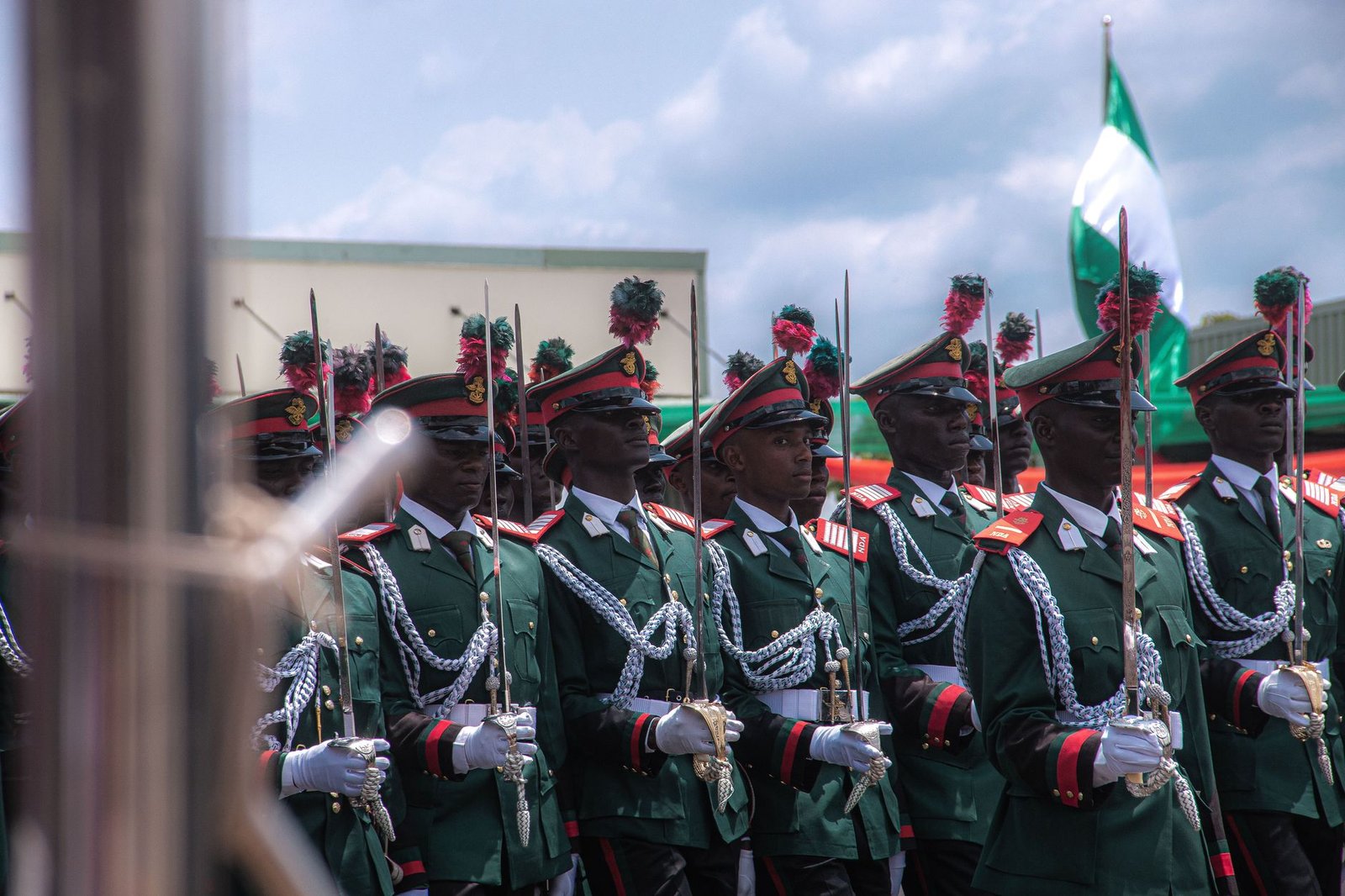
The defense budget in Gabon has reached a historic high for 2026. During a presentation to the Finance, Budget, and Public Accounting Commission of the National Assembly on June 11, State Minister Brigitte Onkanowa unveiled a defense allocation of 377.68 billion XAF as part of the 2026 revised finance bill. This significant investment aligns with the country’s strategic shift following the 2023 political transition and aims to reinforce Gabon’s military capabilities across all operational domains.
The budget proposal reflects the interim authorities’ commitment to modernizing the armed forces as they approach the end of their institutional cycle. Officials emphasize that this allocation ensures the military’s resources match the responsibilities entrusted to it. The funding seeks to address both immediate and long-term security challenges in a subregion where maritime, migration, and geopolitical pressures continue to escalate.
Defense priorities: equipment, infrastructure, and personnel
State Minister Onkanowa outlined three key focus areas during her address to parliamentarians. First, enhancing the welfare of military personnel, including better housing, healthcare, and individual equipment. Second, accelerating the acquisition of advanced defense systems to replace aging infrastructure. Third, strengthening logistical and operational readiness to meet evolving security demands.
The budget’s design reflects a direct link between presidential commitments and the Defense Ministry’s financial trajectory. Gabon’s leadership views national security as inseparable from economic sovereignty, particularly in light of regional instability in the Gulf of Guinea and pressures on territorial waters.
Bridging the gap between funding and operational impact
The 2026 allocation will prioritize tangible upgrades, including barracks renovations, medical support systems, and soldier training programs. These investments aim to address long-standing deficits highlighted by military personnel themselves. The goal is clear: convert budgetary resources into measurable improvements in operational readiness without diluting funds across secondary projects.
Human capital remains a cornerstone of the strategy. The government plans to improve salaries, social coverage, and career development opportunities to retain skilled personnel and enhance professionalism. Onkanowa underscored the state’s duty to support active-duty servicemembers and veterans, aligning with directives from the presidential office.
Political symbolism in a shifting security landscape
Beyond its fiscal magnitude, the 377.68 billion XAF allocation carries political weight. It signals Gabon’s continued prioritization of defense as a sovereign function, especially given the military’s pivotal role during the transition. Maintaining robust defense spending supports state consolidation and mitigates border vulnerabilities amid regional turbulence.
However, execution remains a critical test. Past parliamentary reviews have exposed discrepancies between approved budgets and actual disbursements in key ministries. In 2026, the Defense Ministry’s ability to efficiently deploy funds, finalize contracts promptly, and transparently account for expenditures will be closely monitored. For Libreville, success hinges on proving that significant financial commitments translate into measurable gains in the Gabonese armed forces’ operational posture.