Gabon faces parliamentary scrutiny over key national issues
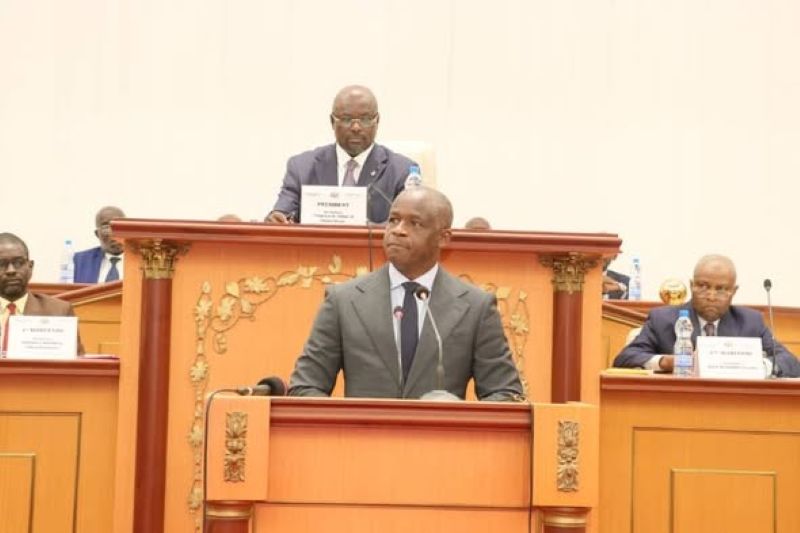
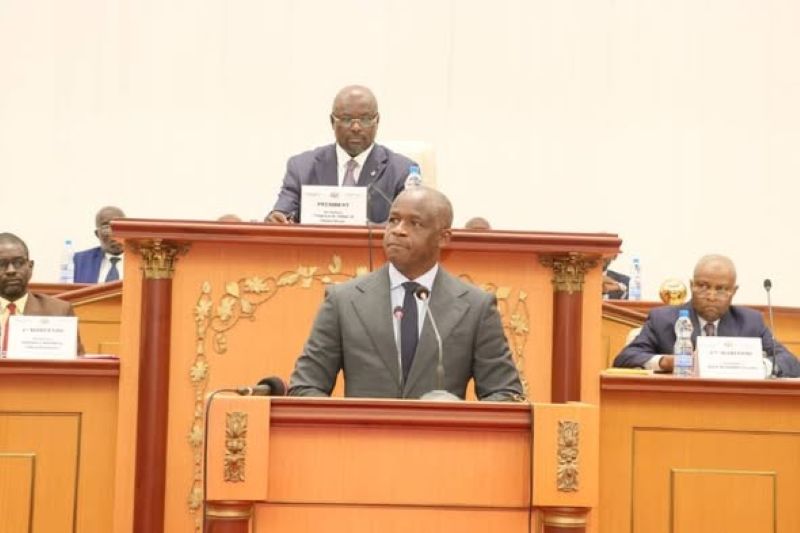
Libreville, June 3, 2026 — A pivotal moment unfolded at Gabon’s National Assembly as lawmakers held the government accountable for pressing national concerns. Beyond routine parliamentary procedure, Tuesday’s oral question session exposed the stark realities facing citizens grappling with rising living costs, education gaps, healthcare access, and economic sovereignty.
Convened at the Léon Mba Palace in strict adherence to constitutional mandates, legislators posed nearly twenty incisive questions to cabinet members. This exchange arrives just days ahead of the June 15 Parliamentary Congress, where President Brice Clotaire Oligui Nguema will deliver his State of the Nation address.
Youth challenges dominate parliamentary debate
Drug abuse in schools emerged as a top concern. Sixth Vice President Huguette Tsono pressed Vice-Premier Hermann Immongault on the escalating crisis, eliciting recognition of its severity and a pledge to safeguard Gabon’s educational institutions. The issue transcends academia—it threatens the nation’s demographic and economic future. With youth comprising the majority of Gabon’s population, combating addiction is now a strategic imperative for social stability.
Education reform also took center stage. Deputy Dorland Chancely Olengué challenged Education Minister Camélia Ntoutoume-Leclercq on progress, receiving assurances that reforms remain on schedule. Families’ expectations are monumental, yet sustainable improvement demands long-term systemic changes.
Economic sovereignty takes precedence
A key revelation was the emphasis on economic policy. The phased ban on imported chicken sparked debate over Gabon’s agricultural self-sufficiency. Agriculture Minister Pacôme Kossy framed the move as a step toward building a robust domestic poultry sector, creating jobs while reducing reliance on foreign imports.
Similarly, Mining Minister Sosthène Nguema Nguema outlined plans to prohibit manganese ore exports, signaling a shift toward local processing to capture greater value. This mirrors broader African trends toward industrializing raw material exports.
Social urgencies remain unaddressed
Everyday concerns also surfaced. Interior Minister Adrien Nguema Mba fielded complaints about delays in issuing national IDs and passports, particularly acute in remote regions where administrative access is limited.
Social Affairs Minister Armande Longo acknowledged challenges faced by retirees, CNAMGS beneficiaries, people with disabilities, and single mothers. While economic growth is critical, tangible improvements in living conditions are equally vital.
Parliament reclaims its oversight role
Beyond ministerial replies, the session underscored the National Assembly’s resurgence as a forum for public debate. By addressing food security, industrialization, education, healthcare, and governance, legislators reaffirmed their constitutional duty to scrutinize executive actions.
Assembly President Michel Régis Onanga Ndiaye closed the session, previewing the upcoming Congress where the administration’s reform agenda will be evaluated. This inaugural oral question session of the 14th legislature reveals a nation in transformation but burdened by immense societal expectations.
The government’s credibility now hinges on delivering visible results in economic sovereignty, state modernization, and citizen welfare. The coming months will determine whether these ambitions translate into tangible progress for Gabon.
