
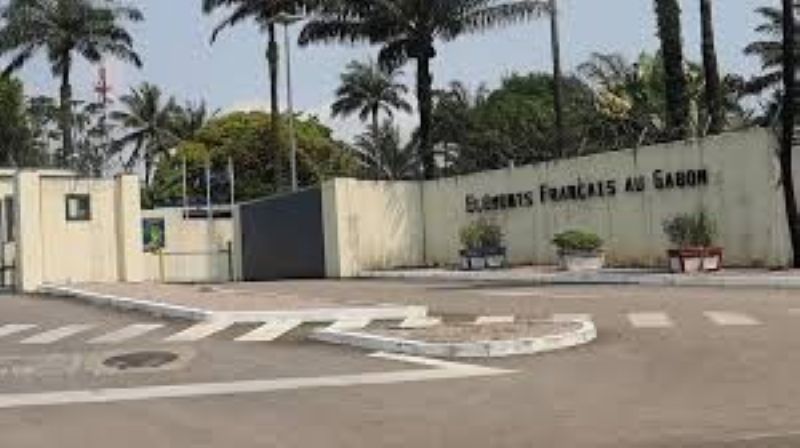
Gabon reshapes military legacy with Camp de Gaulle renaming
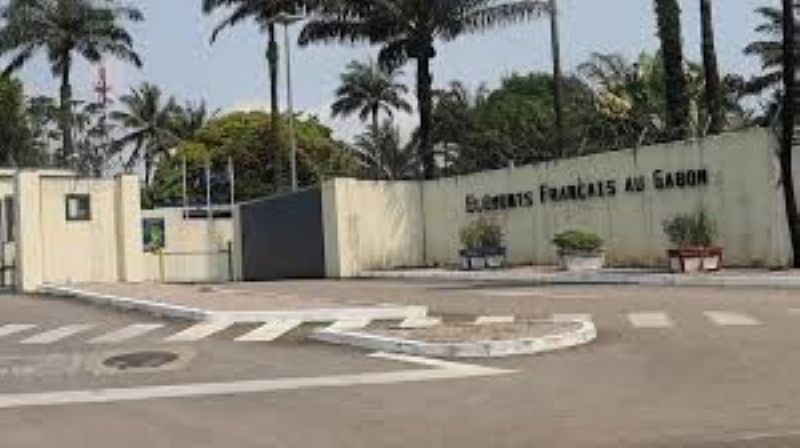
Libreville, June 3, 2026 — The upcoming disappearance of Camp de Gaulle marks more than just a symbolic military transformation for Gabon. It signals a deliberate shift in how the nation engages with its history and strategic future, as announced by President Brice Clotaire Oligui Nguema.
Administrative decisions often carry weight far beyond their immediate implications. When the President of Gabon outlined plans to rename the historic Camp de Gaulle during a high-profile interview, the move transcended symbolic gestures to reveal deeper political, historical, and strategic dimensions.
The transformation of this iconic French military base in Gabon reflects a broader evolution—one where the country seeks to redefine its relationship with its past while maintaining balanced international partnerships.
Closing a chapter of military heritage
For decades, Camp de Gaulle stood as a testament to France’s military presence in Gabon, part of a post-independence security architecture that saw Paris maintain strategic bases across Africa. However, the Africa of 2026 bears little resemblance to that of the 1960s.
Today, national sovereignty, control over strategic infrastructure, and the reclamation of historical symbols dominate public discourse across the continent. Gabon is no exception. By transferring the camp to national authorities, the country brings an era to a close—though not in a manner marked by abrupt rupture.
A departure distinct from regional trends
The Head of State emphasized this distinction clearly. Unlike the withdrawals witnessed in Mali, Burkina Faso, or Niger, Gabon’s military restructuring unfolded through dialogue. No diplomatic crisis accompanied this transition.
Military cooperation persists but has undergone a fundamental shift. Permanent French troops have been replaced by a leaner structure, with around a hundred instructors now focused on training local forces. This aligns with a global trend where military partnerships prioritize skill transfer over large foreign troop deployments.
Building Africa’s security future through training
The camp’s new purpose may prove its most consequential aspect. Now reimagined as a training hub, the facility will serve Gabon’s defense and security forces while also hosting participants from neighboring African nations. The vision extends far beyond national borders.
With transnational threats, organized crime, and security challenges in the Gulf of Guinea intensifying, expertise has become a strategic asset. By positioning itself as a regional center of excellence, Gabon aims to play a key role in professionalizing African security forces.
Namings that shape national identity
Yet it is the renaming itself that captures the most attention. The future center will bear the name of a Gabonese hero, a decision laden with meaning. Naming a place is an act of storytelling—an opportunity to choose the narratives passed to future generations.
By replacing a colonial-era figure with a national icon, Gabon asserts its determination to craft its own story while preserving constructive ties with historical partners. This move does not signal rejection of France but rather demonstrates a newfound political maturity.
In essence, this is more than a name change for a military camp. It represents the crystallization of Gabonese sovereignty—a statement that resonates across the continent.