
Gabon’s bold step toward post-oil industrial independence
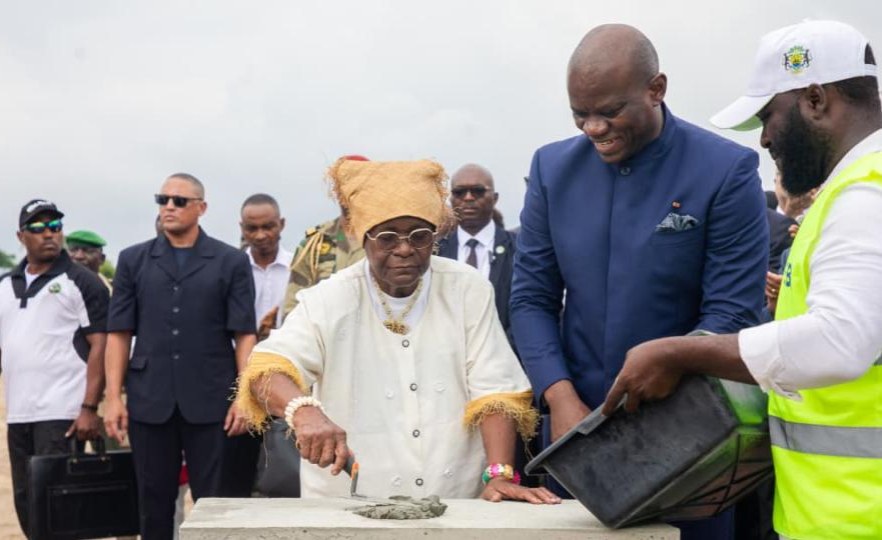
Under the leadership of President Brice Clotaire Oligui Nguema, Gabon has broken ground on a transformative infrastructure project: the deep-water port of Kobé-Kobé. This ambitious initiative is set to redefine the nation’s economic trajectory by 2030, shifting away from its traditional reliance on oil revenues toward sustainable industrial development.
A strategic logistics hub for Central Africa
The port, located in the Estuaire province, will boast a draft depth of 14 to 16 meters, enabling it to accommodate some of the largest commercial vessels in the world. This technical advantage positions Kobé-Kobé as a key player in the Gulf of Guinea, competing with major ports like Kribi in Cameroon and Pointe-Noire in the Congo.
An integrated industrial ecosystem
Kobé-Kobé is not just a standalone port—it will serve as the maritime gateway for a network of interconnected projects that form a cohesive economic value chain:
- Belinga iron ore mine (Ogooué-Ivindo province): One of the world’s largest untapped high-grade iron deposits, poised to become a cornerstone of Gabon’s mining sector.
- Belinga-to-Kobé-Kobé railway corridor: A state-of-the-art rail link designed to transport raw materials from the mine directly to the port, ensuring efficient logistics and cost reduction.
- Booué hydroelectric dam: A critical energy project aimed at powering mining operations and processing plants, reducing dependence on imported fuel and enhancing energy security.
The synergy between these initiatives marks a decisive break from Gabon’s past reliance on raw material exports. Instead, the country will prioritize local value addition, refining iron ore domestically before shipping it abroad.
Economic and social transformation
The Kobé-Kobé project is expected to generate up to 160,000 jobs during construction and operation phases, offering Gabonese youth unprecedented opportunities in technical fields such as civil engineering, port operations, energy engineering, and metallurgy. The government is also prioritizing the integration of local small and medium-sized enterprises (SMEs) into the project’s supply chains, fostering broader economic inclusion.
A geopolitical and economic statement
More than an infrastructure milestone, Kobé-Kobé embodies Gabon’s strategic vision for a post-petroleum economy. By investing in mining, energy, and logistics, Libreville aims to secure long-term revenue streams as oil reserves dwindle. With strict adherence to project timelines, the port is on track to become a key driver of industrialization by 2030, reinforcing Gabon’s position in Africa’s evolving economic landscape.