
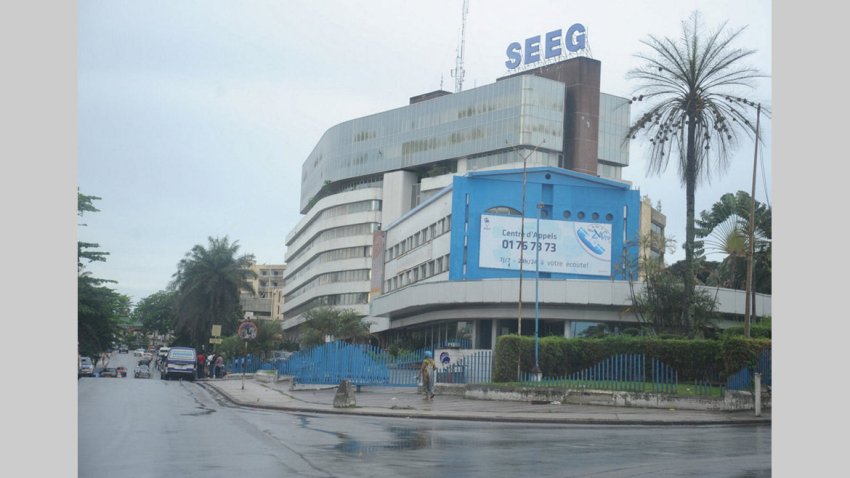
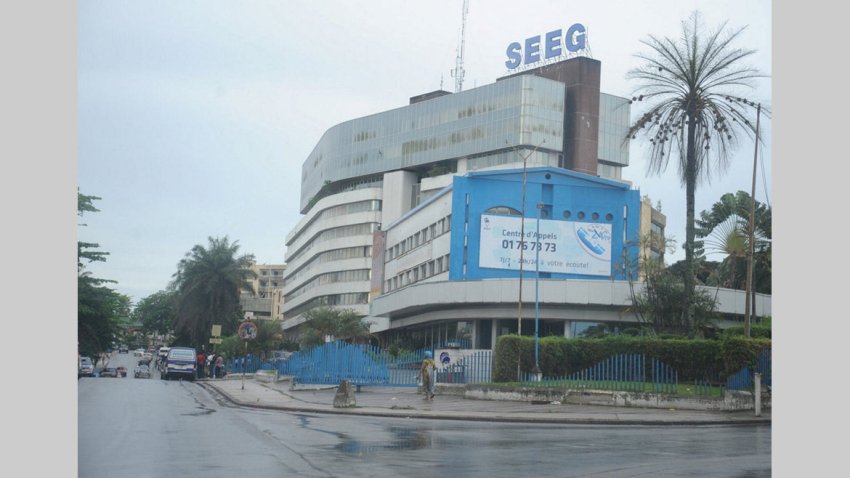
Libreville — For nearly three decades, the Société d’Énergie et d’Eau du Gabon (SEEG) stood as the unified pillar for managing the nation’s most vital resources. That era has now officially come to an end.
During a Council of Ministers meeting held on June 25, 2026, the Gabonese government formally approved the dissolution of SEEG. In its place, two specialized mixed-economy entities have been established: La Gabonaise des Eaux and Électricité du Gabon. This institutional overhaul is far more than a simple rebranding; it represents a fundamental shift in the architecture of essential public services across the country.
This landmark decision follows shortly after President Brice Clotaire Oligui Nguema’s State of the Nation address. It reflects a determined political drive to turn presidential promises into immediate action for the benefit of the population. In a nation where power outages and limited access to clean water remain critical daily challenges, this reform stands as one of the most significant strategic projects of the current administration.
Moving past a struggling system
Established in 1997 under a concession agreement with the French group Veolia, SEEG was built on the once-popular model of a single operator managing both water and electricity. While this framework initially seemed to meet network demands, structural flaws became increasingly apparent over the years.
Even after the company returned to state control in 2018, deep-seated issues persisted. Aging infrastructure, a lack of sufficient investment, frequent service disruptions, and financial hurdles—all coupled with the rapid growth of urban demand—exposed the failures of a centralized management style.
The authorities have now opted for a clean break from the past. La Gabonaise des Eaux will be dedicated solely to the production, transport, distribution, and billing of drinking water. Meanwhile, Électricité du Gabon will focus its efforts entirely on the generation, transmission, and sale of electrical energy.
This move toward specialization aligns with global economic and technical standards. The challenges inherent in water management differ vastly from those in the energy sector. Combining them under one roof had led to diluted priorities, sluggish decision-making, and obstacles to targeted infrastructure investment.
A strategic public-private approach
The transition to mixed-economy companies signals a clear ambition. The State intends to maintain strategic oversight of these sensitive sectors while inviting partners who can provide technical expertise, innovation, and financial backing.
This hybrid model, already utilized in several other African nations, aims to merge the State’s role as a protector of public interest with the operational efficiency of the private sector. However, the ultimate success of this transition will depend on several critical factors in the coming months.
Key issues to be resolved include the capital structure of the two new firms, the selection of strategic partners, the implementation of robust governance, the settlement of SEEG’s legacy debts, and the orderly transfer of assets.
International financial institutions are monitoring these developments closely. Organizations such as the African Development Bank and the French Development Agency recognize that the success of this reform will dictate the flow of future investments into Gabonese infrastructure. Furthermore, for major players in the mining, forestry, and oil industries, a stable energy supply is essential for maintaining economic competitiveness.
The ultimate test of service delivery
Beyond the administrative changes, this reform carries a heavy political weight. It is a promise of universal access to water and electricity for all citizens, aiming for a visible improvement in daily life from urban centers to the most remote villages.
The government views this restructuring as a tool for national solidarity, economic modernization, and territorial fairness. The stated goals are high: ensuring service continuity, improving distribution quality, expanding networks, advancing the energy transition, and securing the national supply.
Ultimately, administrative restructuring is only the first step. The public will judge the success of this move not by the legal texts, but by the end of load-shedding, the elimination of water shortages, and a concrete rise in living standards. The dissolution of SEEG is a historic opportunity for renewal, but the true measure of La Gabonaise des Eaux and Électricité du Gabon will be their ability to deliver results.