

A strategic pivot in Gabonese maritime policy
In a move that signals a significant shift in its economic strategy, Gabon has decided to terminate its fishing agreement with the European Union. This decision brings an end to a period of cooperation that allowed European vessels access to the nation’s territorial waters, reflecting a new direction for the management of local aquatic resources.
The authorities in Libreville are increasingly focused on maximizing the domestic value of their maritime wealth. By moving away from the existing protocol, Gabon aims to exert greater control over its fish stocks and encourage the development of local industrial players. The goal is to ensure that the exploitation of these natural resources contributes more directly to the national economy and the sustainability of the sector.
Prioritizing local industry and sovereignty
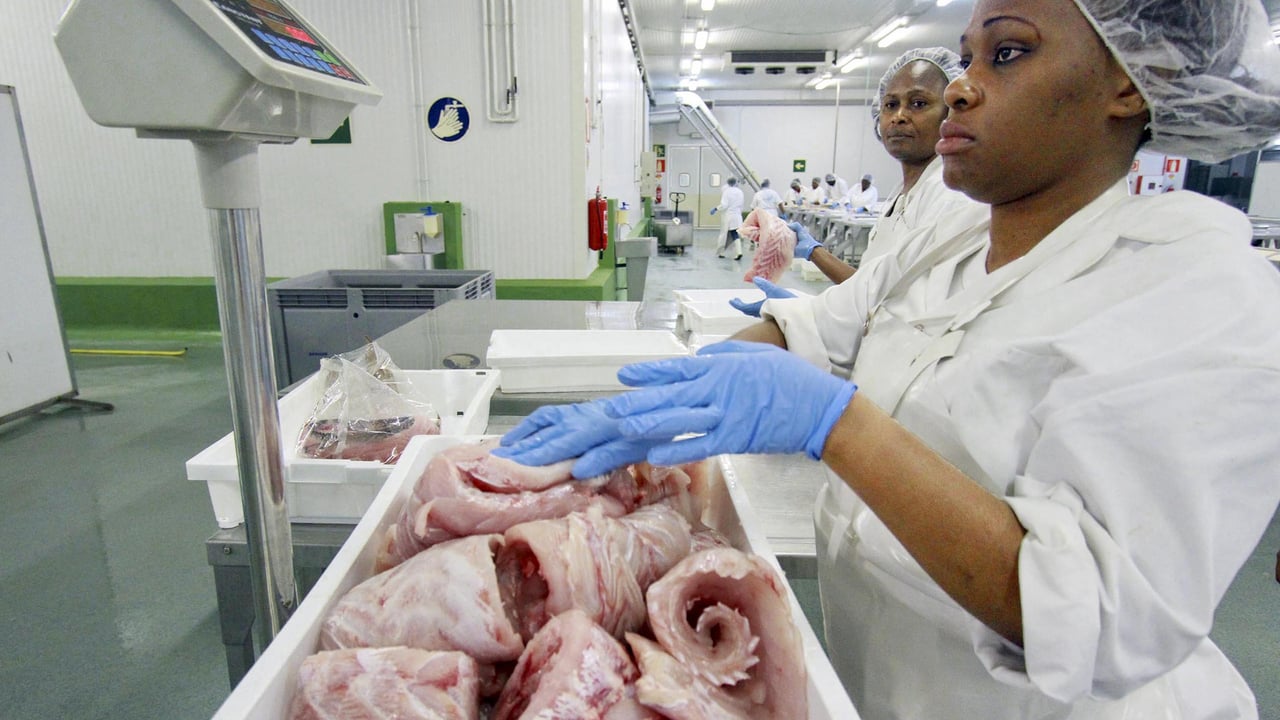
Infrastructure such as the Ireland Blyth Ltd (IBL) processing plant in the capital illustrates the type of industrial growth Gabon seeks to foster. Rather than simply exporting raw access rights, the focus is shifting toward local transformation and value addition. This change in policy comes as many coastal nations re-evaluate international maritime treaties to better align with their long-term development objectives.
The dissolution of this partnership with the European Union marks the start of a new era for the Gabonese fishing industry. As the country looks to rewrite the rules of its blue economy, the emphasis remains on sovereignty, environmental conservation, and the strengthening of domestic commercial capabilities.