

Gabon strengthens its legal framework with major legislative overhaul
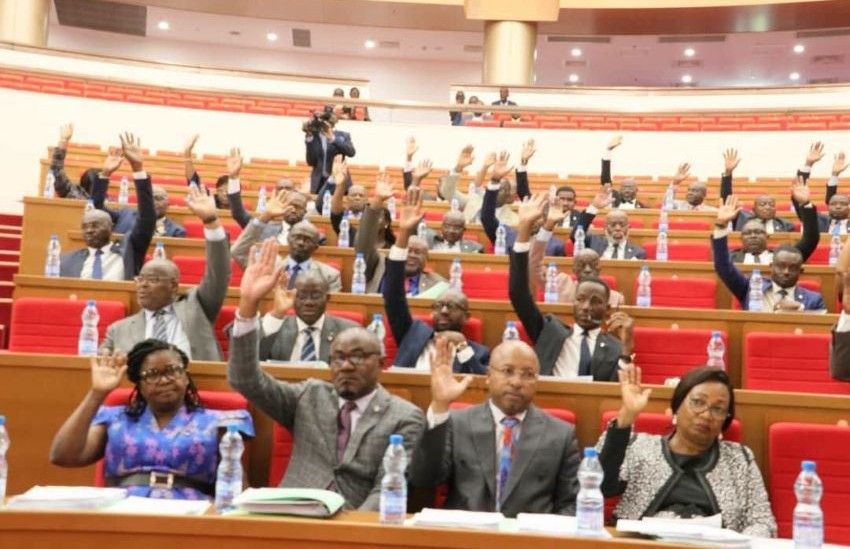
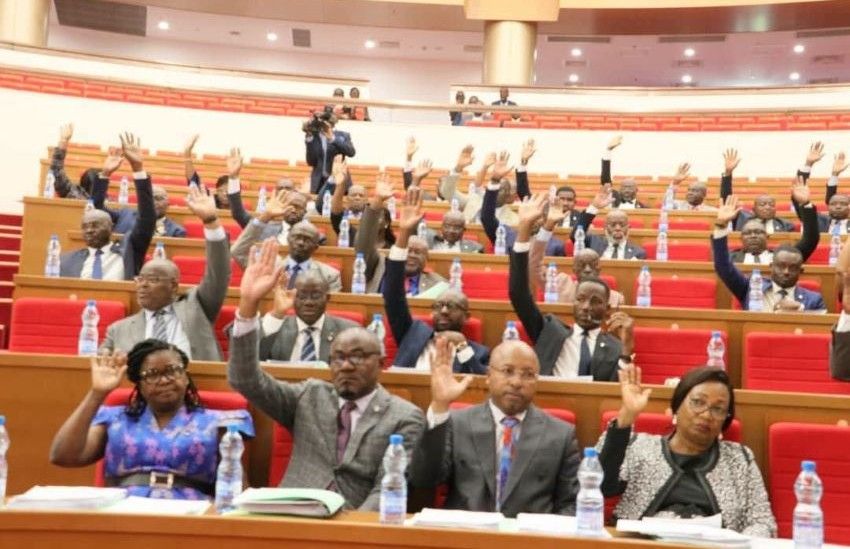
In a decisive move toward institutional reform, the National Assembly of Gabon has unanimously passed eighteen bills during a single plenary session.
This massive legislative output signals a rapid acceleration of the structural changes initiated under the Fifth Republic. The new laws cover a wide range of sectors, including digital technology, nationality, land rights, media regulation, and administrative modernization. This comprehensive legal package is designed to fundamentally reshape the architecture of the Gabonese state while enhancing economic appeal and legal certainty.
Led by Michel Régis Onanga M. Ndiaye at the Palais Léon-Mba, the parliamentary session saw deputies review and adopt every text submitted by the government. The sheer volume of legislation addressing governance levers simultaneously highlights a rare level of parliamentary productivity and coordination.
A new generation of reforms
The parliament has approved a significant overhaul of the High Authority of Communication (HAC). This institution is set to take on an expanded role within an evolving media landscape characterized by the digital boom and the rapid spread of online content.
Another high-profile measure involves the ratification of a updated Nationality Code. As issues surrounding identity and mobility become increasingly complex globally, this reform provides Gabon with a modernized legal instrument to manage national belonging.
Furthermore, the ratification of the land ownership regime addresses a critical economic challenge. For emerging economies, securing property rights is a fundamental requirement for attracting investment, ensuring organized urban development, and fostering wealth creation.
Consolidating the rule of law
Beyond the technical details, the unanimous support for these texts demonstrates a collective institutional drive to strengthen the rule of law through a modernized legal framework. The government and elected representatives are now aligned on the necessity of adapting legal tools to meet contemporary economic, social, and technological demands.
This momentum is also tied to international competitiveness. Global investors prioritize regulatory stability, clear procedures, and legal security. By fortifying its normative arsenal, Gabon aims to improve its standing in a global environment where institutional quality is a key factor in attracting capital.
Government officials present at the session commended the depth of the debates and the sense of responsibility shown by the deputies. This collaboration underscores the commitment of national institutions to work in sync on long-term structural reforms.
Moving toward implementation
While this legislative milestone is a major step forward, it marks the beginning of a more demanding phase: effective implementation. In many nations, the quality of written law does not always translate into immediate results. Success will now depend on the ability of administrative bodies, the judiciary, and economic players to apply these new rules on the ground.
As the current ordinary session draws to a close, eight additional bills are still being reviewed by parliamentary committees. Their eventual adoption will further complete an already significantly reinforced legal structure.
Through this unanimous vote, the National Assembly reaffirms its central position in building the country’s new institutional framework. This period represents a shift for Gabon, where legal modernization is being utilized as a primary engine for economic, social, and administrative transformation.