
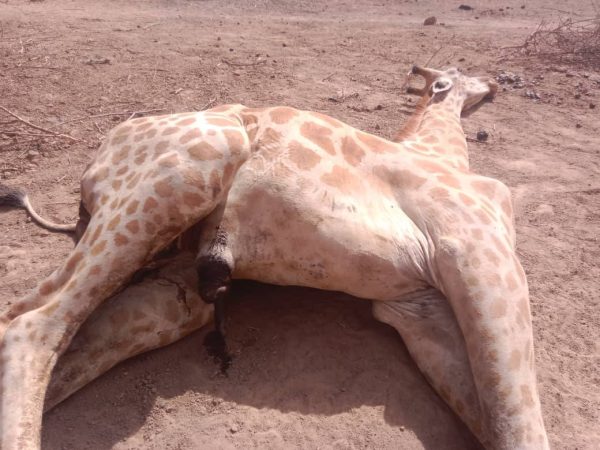
Abagana, the first giraffe ever born in Niger’s Gadabedji Biosphere Reserve, has died at just a few weeks old. The calf succumbed to a severe and fast-acting illness on May 16, 2026, after local veterinary teams were unable to provide the critical care he urgently needed. His tragic loss has left conservationists, wildlife protectors, and tourism professionals in mourning, highlighting deep concerns about the reserve’s long-term survival.
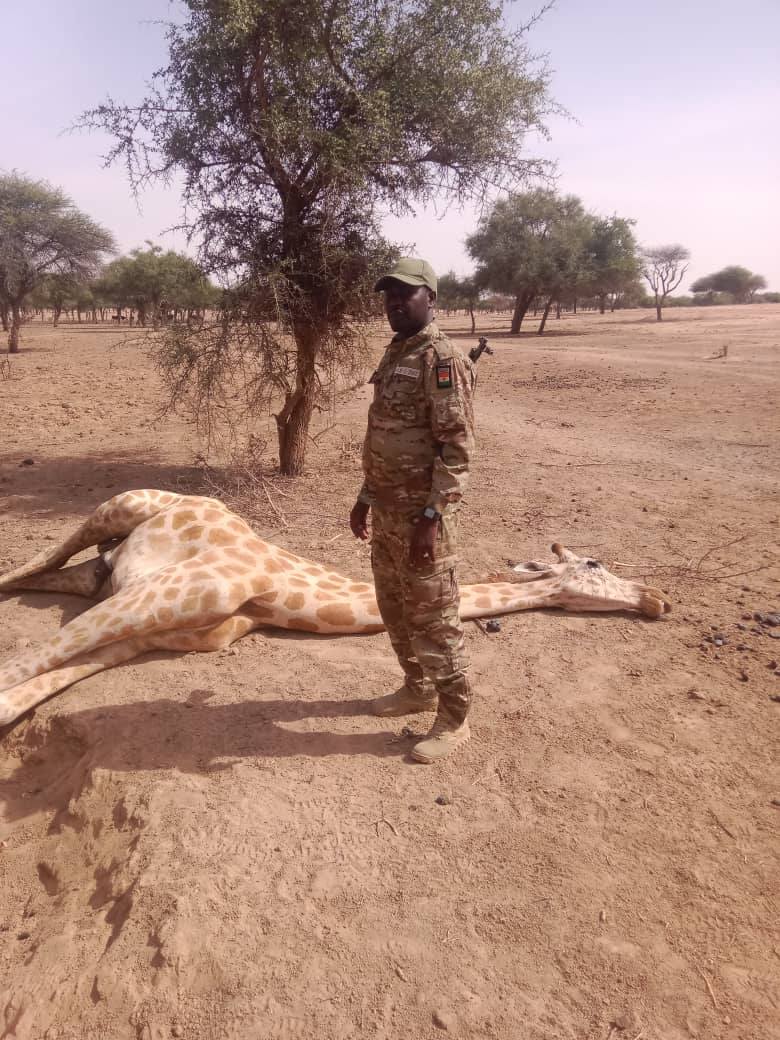
a preventable tragedy with lasting consequences
Abagana wasn’t just another giraffe. As the first calf born within the reserve’s boundaries, he symbolized the success of a bold reintroduction program and ignited hopes of reviving sustainable ecotourism in the region. His presence drew visitors, researchers, and wildlife enthusiasts, making him a living ambassador for Gadabedji’s natural heritage. Now, his untimely death marks more than the loss of an individual—it signals a serious setback for the entire ecosystem and the local economy that depends on it.
agonizing final moments in the hands of helpless guardians
The details of Abagana’s final hours are heartbreaking. Veterinary experts later confirmed he suffered from a prolapse of the penis, a painful and life-threatening condition that left him unable to urinate and deprived of the medical intervention he desperately needed. Left without proper treatment, the young giraffe endured prolonged suffering before succumbing to the illness.
This heartbreaking event comes just weeks after another tragic loss in the reserve—a female giraffe died during childbirth due to the same lack of adequate veterinary support. The repeated failures have left conservation teams feeling powerless and deeply distressed, raising urgent questions about the future of wildlife care in Niger’s protected areas.
urgent call for veterinary training and systemic change
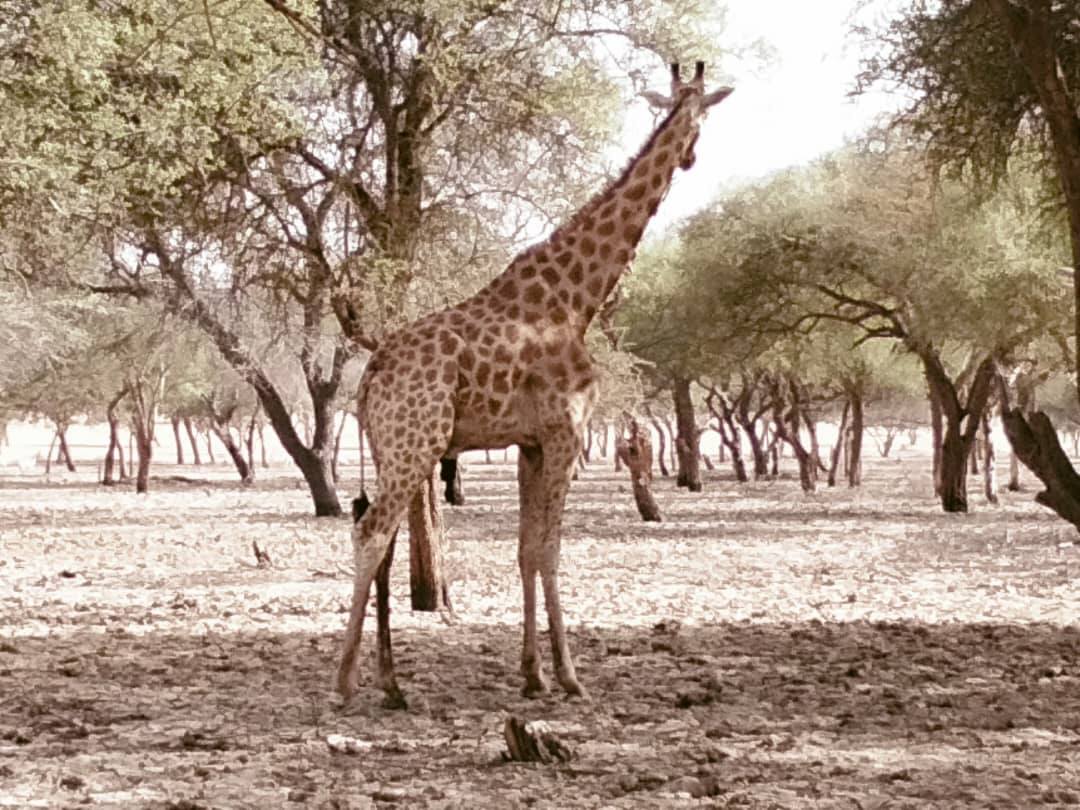
The deaths of Abagana and the female giraffe have exposed a critical gap in wildlife management across Niger’s protected areas. While the ecological loss is irreplaceable, the economic impact is equally devastating. Each giraffe in Gadabedji represents a cornerstone of the region’s appeal to international tourists, whose visits generate vital revenue for local communities. With every preventable death, that lifeline weakens.
Conservation workers on the ground are now speaking out, their voices laced with frustration and urgency. They warn that without immediate action—specifically, targeted training for rangers in emergency veterinary care and wildlife anesthesia—the reserve’s giraffe population could face further decline, threatening both biodiversity and economic stability.
« We watch helplessly as our animals suffer and die, one after another, because we lack the tools and skills to save them, » said a wildlife specialist closely involved in the reserve’s operations.
Experts are clear: the time for action is now. If Niger is to protect its natural treasures and preserve its reputation as a premier wildlife destination, authorities must prioritize equipping local teams with the expertise required to respond to medical emergencies in the wild. Without this intervention, the future of Gadabedji—and the future of Niger’s ecotourism—hangs in the balance.