
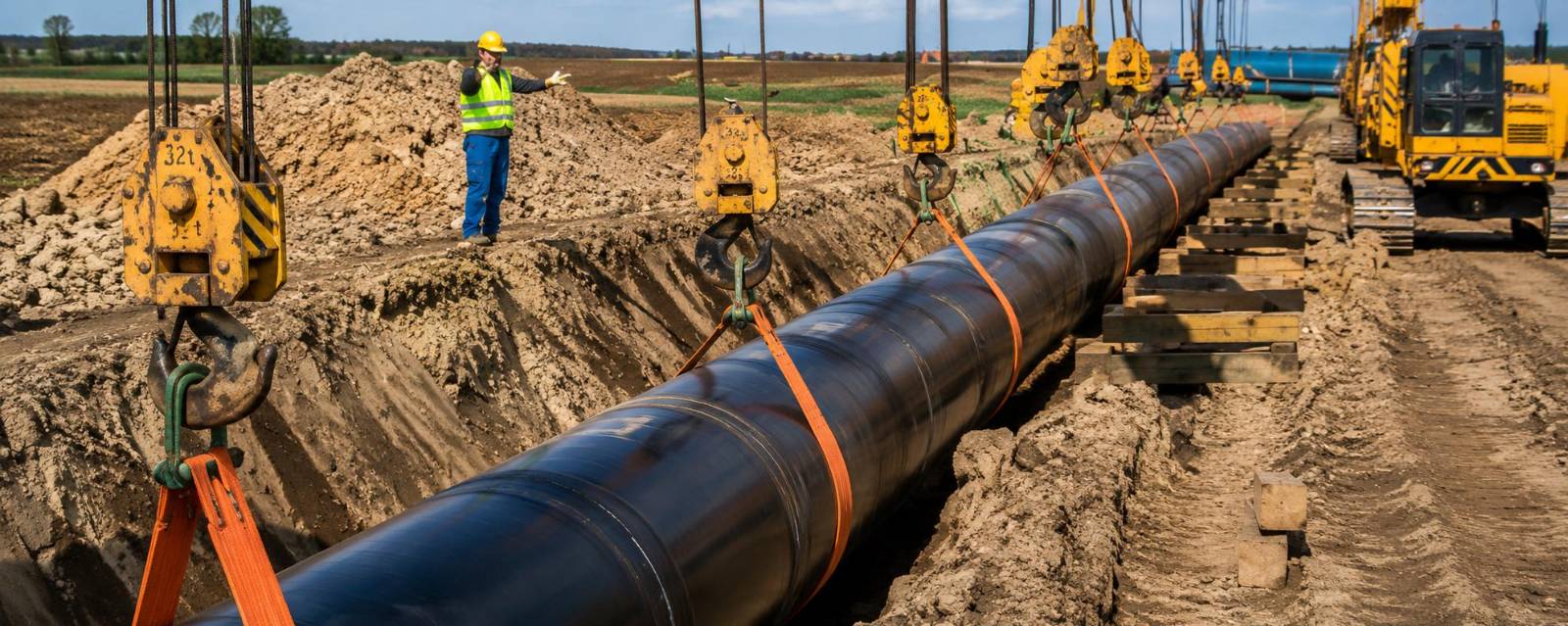
After months of defiant declarations about reclaiming economic sovereignty and severing ties with former partners, Niamey’s leaders have been forced into a pragmatic about-face. Facing a crippling financial blockade, the military-led government in Niger has just finalized a series of oil agreements with the China National Petroleum Corporation (CNPC). These accords, signed under intense pressure, reveal a stark reality: economic survival now trumps ideological posturing.
For weeks, officials in Niamey had portrayed a rigid stance against Beijing, demanding sweeping revisions to the terms governing Niger’s crude oil extraction and the operations of the WAPCO pipeline. Yet this show of defiance quickly crumbled against the harsh realities of governing a nation on the brink. With critical regional and international financial backers pulling away, the regime had little choice but to return to the negotiating table—this time, as a supplicant.
The newly inked deals, though officially framed as a triumph of « Nigerienization »—highlighting increased local employment and a 45% state stake in WAPCO—primarily serve one urgent purpose: securing immediate oil exports to inject much-needed foreign currency into a financially hemorrhaging treasury. Without these funds, the government risks defaulting on critical obligations, further destabilizing an already fragile economy.
whispers of hidden motives behind the rush to sign
Critics of the regime, including opposition figures and independent financial analysts, argue that the haste to finalize these agreements with Chinese firms may conceal motives far removed from the public good. They warn that the influx of liquidity could bypass traditional oversight mechanisms, creating fertile ground for mismanagement and the misappropriation of public funds. Such concerns are especially pressing in a country where basic infrastructure remains underdeveloped and public services are chronically underfunded.
a new form of economic dependency disguised as independence
By deepening its ties to Beijing through these oil agreements, Niger is not breaking free from external control—it is merely trading one form of dependency for another. While the government celebrates the promise of higher local wages at the Soraz refinery and expanded subcontracting opportunities for Nigerien businesses, these gains appear superficial when set against the backdrop of China’s near-total dominance over the oil value chain. From extraction to maritime transport, state-owned Chinese enterprises retain strategic control, leaving Niamey with limited leverage.
The broader pattern across sub-Saharan Africa underscores a troubling truth: without robust institutional checks, transparent governance, and strong regulatory frameworks, oil revenues often serve as tools for consolidating central authority rather than catalysts for inclusive development. For Niger, the challenge is clear. Will these fresh injections of Chinese capital flow into the nation’s coffers to fund essential services, or will they instead fuel the patronage networks and opaque spending habits of a government desperate to legitimize its rule?