
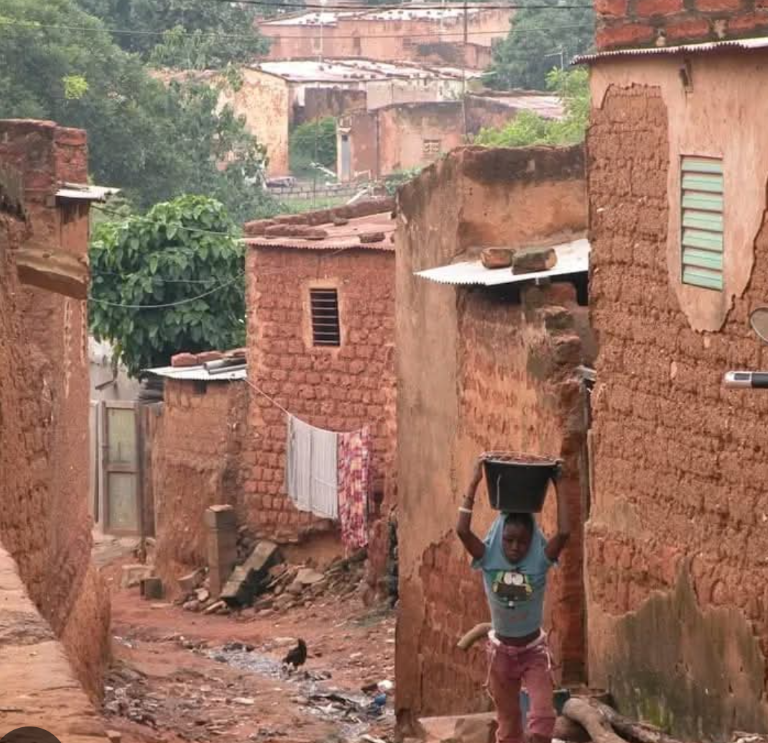
In a brutal escalation of violence, the Group for the Support of Islam and Muslims (JNIM) issued a forty-eight-hour ultimatum to residents of three villages in Burkina Faso‘s Sourou province, forcing them to abandon their homes. The communities of Sia, Konga, and Kwarémenguel faced immediate threats of retaliation, prompting mass evacuations in a desperate bid for safety. This latest forced displacement underscores the worsening security crisis gripping the Mouhoun Loop region and the broader challenges confronting the nation.
An all-too-familiar pattern of terror
This scenario has become tragically routine in areas under intense jihadist pressure. Armed men, claiming allegiance to the JNIM, stormed the villages, delivering a stark warning: leave within two days or face summary executions. With no means of defense, the terrified residents had little choice but to flee. The dusty roads of Sourou quickly filled with families carrying their meager belongings, their voices drowned out by the urgency of survival. In a matter of hours, entire communities were uprooted, leaving behind homes, livestock, and livelihoods.
Eid al-Adha shattered by violence
The timing of this crisis could not have been crueler. The ultimatum coincided with preparations for Eid al-Adha, a sacred festival marking the pinnacle of the Muslim calendar, traditionally a time of joy, family gatherings, and communal feasting. Instead, families found themselves on the move, their festive plans reduced to ashes. The absence of the sacrificial lamb, the abandoned children’s best clothes, and the emptiness of communal meals painted a stark contrast to the spirit of celebration. For agro-pastoral communities, the loss of livestock—whether through abandonment or theft—inflicted deep economic and psychological wounds. This year’s Eid al-Adha will be remembered in Sourou not for its blessings, but for its suffering.
Desperate flight toward uncertain safety
The exodus unfolded in chaos. Women balanced infants on their heads while clutching sparse bundles, elderly villagers struggled to keep pace with sobbing children, and overloaded carts creaked under the weight of displaced families. Their destination? Urban centers like Tougan and Dédougou, where they hoped to find refuge under the protection of Burkina Faso‘s defense forces and civilian volunteers. Yet, even these havens are buckling under the strain of repeated waves of internal displacement. Local solidarity, though resilient, is stretched to its limits as host communities grapple with the overwhelming demand for shelter and aid.
Sourou: a strategic target in terrorism’s war on the state
The Sourou province, located in the Mouhoun Loop, has long been a battleground in the fight against jihadist insurgency. The coordinated ultimatum against Sia, Konga, and Kwarémenguel reveals a deliberate strategy to cripple the region. By depopulating these areas, the JNIM seeks to create lawless zones where it can operate unchecked, disrupting state control and severing vital communication routes. The loss of agricultural land further exacerbates Burkina Faso‘s food and pastoral crises, deepening the humanitarian emergency.
A nation’s plea for survival
This unfolding tragedy in Sourou is not an isolated incident. It reflects the daily reality for thousands of Burkinabè caught in the crossfire of blind violence. The situation demands an urgent, multifaceted response: robust military action to reclaim lost territory and a compassionate humanitarian response to address the needs of the displaced. As the country prepares to mark Eid al-Adha in sorrow, Burkina Faso stands resilient, but its interior borders continue to bleed under the weight of jihadist ultimatums.