
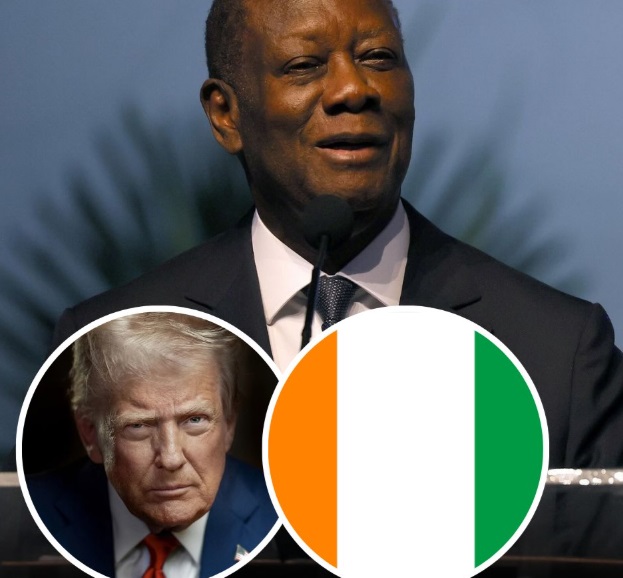
In a bold diplomatic move that signals a turning point in transatlantic migration policies, Ivory Coast has officially declined a proposal from the United States to receive deportees who are not its own citizens. The decision, revealed through insider sources in late September 2026, underscores a growing resistance across West Africa to Washington’s expanding use of so-called ‘third-country deportations’—a strategy that has reshaped global migration flows under the current U.S. administration.
Diplomatic negotiations fall short in Abidjan
In mid-June 2026, U.S. State Department officials embarked on a regional tour across West and Central Africa, seeking cooperation from multiple governments to accept expelled migrants—regardless of nationality. Among the officials was Christian Ehrhardt, head of the newly formed Office of Remigration, who held talks in Abidjan with Ivorian leadership.
But unlike several other African nations that entered into financial agreements to host deported individuals, Ivory Coast rejected the offer outright. According to internal U.S. records reviewed during the negotiations, over $410 million had already been earmarked by June 2026 to fund such arrangements with 31 countries, primarily in Africa and Latin America. More than 25,000 people had been expelled under this policy to 28 third countries since 2025.
A controversial policy gains global attention
The U.S. government frames third-country deportation as a mechanism to remove individuals facing removal orders when their country of origin is unwilling or unable to take them back. However, this approach has sparked widespread controversy, with human rights organizations and legal advocates warning about inadequate safeguards for those being transferred.
Legal challenges have mounted. In September 2026, a U.S. federal appeals court ruled that the policy lacked sufficient protections for deportees in a landmark case. The Trump administration immediately announced plans to appeal the decision to the Supreme Court, setting the stage for a high-stakes legal battle that could redefine the limits of migration enforcement.
No financial incentives sway Abidjan’s position
While several African and Latin American nations have accepted deported individuals in exchange for development aid and financial incentives, Ivory Coast remained steadfast. Public U.S. records from June 2026 do not list Ivory Coast among the countries that had finalized operational agreements under the policy.
Sovereignty and human rights at the heart of the decision
The Ivorian government’s refusal comes amid rising concerns over national integrity and ethical obligations in migration governance. Local officials emphasized that accepting deportees without legal or cultural ties to the country could destabilize social cohesion and undermine national sovereignty.
Human rights organizations have hailed Ivory Coast’s stance as a principled stand against exploitative immigration practices. Meanwhile, legal experts point out that the policy’s legality has been repeatedly questioned, raising doubts about its long-term sustainability.
What lies ahead for U.S. migration policy?
With over a quarter-million deportations already carried out to third countries, the future of Washington’s approach remains uncertain. A pending Supreme Court ruling could either validate the policy or force a dramatic policy reversal. Meanwhile, countries like Ivory Coast are asserting their right to refuse what they see as unilateral and ethically questionable deportations.
As global migration continues to evolve, Ivory Coast’s decision may mark the beginning of a broader pushback against coercive deportation strategies—one rooted in sovereignty, dignity, and the rule of law.