
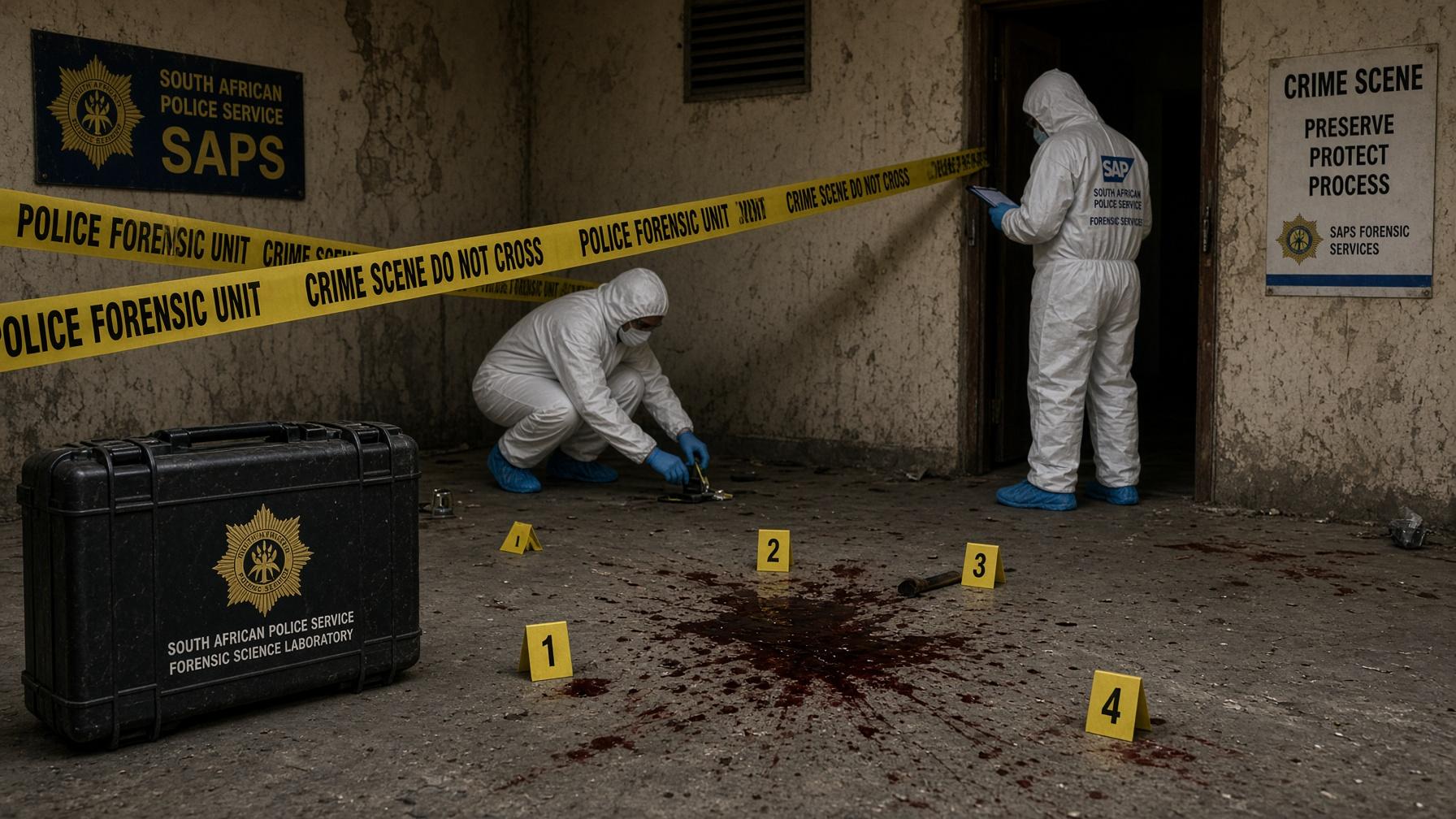
South Africa has arrived at a decisive moment. Within a matter of hours, two separate shooting attacks struck Johannesburg and the Cape Town area, leaving at least 27 people dead and several others critically wounded. The speed and scale of the bloodshed have pushed the country past a threshold — this is no longer a distant statistic but a direct challenge that demands urgent, decisive action.
The attacks unfolded in rapid succession, targeting groups of people in two of South Africa’s most prominent urban centres. In Johannesburg, the country’s economic engine, gunmen opened fire in a densely populated neighbourhood, catching victims off guard in an informal establishment. In Cape Town, the violence erupted in a peri-urban zone long troubled by gang rivalries and organised crime.
A breakthrough in violence that leaves no room for complacency
What distinguishes this episode is not only the death toll but the unmistakable signal it sends. The shooters, described as unidentified armed men, fired indiscriminately before fleeing in vehicles. Police reinforcements were rushed to both crime scenes, and manhunts are underway to track down those responsible. Yet the fact that the attackers escaped — at least initially — underscores how emboldened criminal networks have become.
How the attacks were carried out
The pattern points to a level of coordination and ruthlessness that has become disturbingly familiar. In Johannesburg, the victims were ambushed in a popular district where informal businesses operate. In Cape Town, the shooting fit the grim template of turf wars that have long plagued the city’s outskirts. In both cases, the assailants struck swiftly and vanished, leaving communities to grapple with the aftermath.
The gun violence question South Africa can no longer postpone
This tragedy has thrust the country’s alarming insecurity back into the spotlight. South Africa records one of the highest homicide rates in the world, and mass shootings have been multiplying in recent years. The underlying drivers are well documented:
- Fierce battles over control of drug trafficking and extortion rackets — known locally as gangsterism — in township areas.
- Deadly feuds between rival minibus taxi associations.
- The unchecked flow of illegal firearms across communities.
Repeated government pledges to boost police visibility and crack down on arms trafficking have yet to reverse the trend. With each new massacre, public anger and frustration grow sharper. The question now is whether this moment will mark a genuine turning point — or become just another entry in a lengthening list of tragedies.