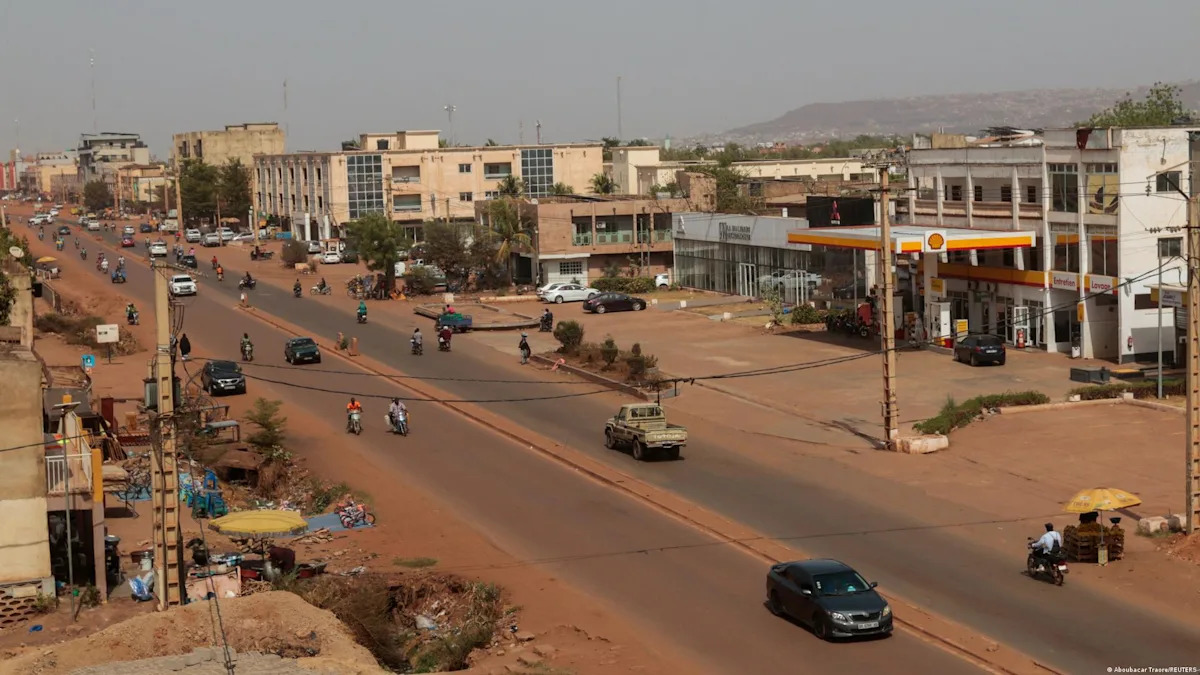
Human rights group urges jihadists to lift Bamako blockade
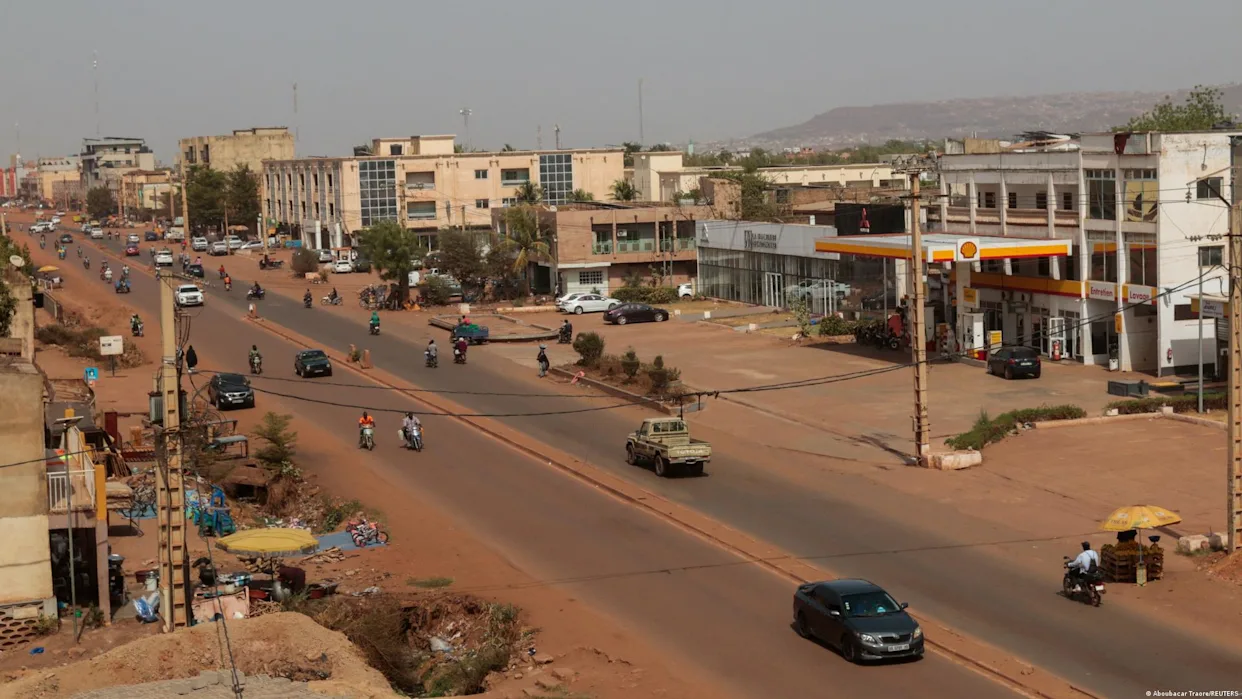
A prominent human rights organization has urgently called on jihadist factions in Mali to cease their blockade of Bamako, warning of dire consequences for civilian safety and freedom of movement. The siege, now entering its third week, has cut off critical supply routes to the landlocked nation’s administrative hub, leaving residents grappling with severe shortages.
“The ongoing blockade of Bamako is causing unacceptable hardships for civilians, threatening their fundamental rights to food security, healthcare, and safety,” stated the organization in an official statement.
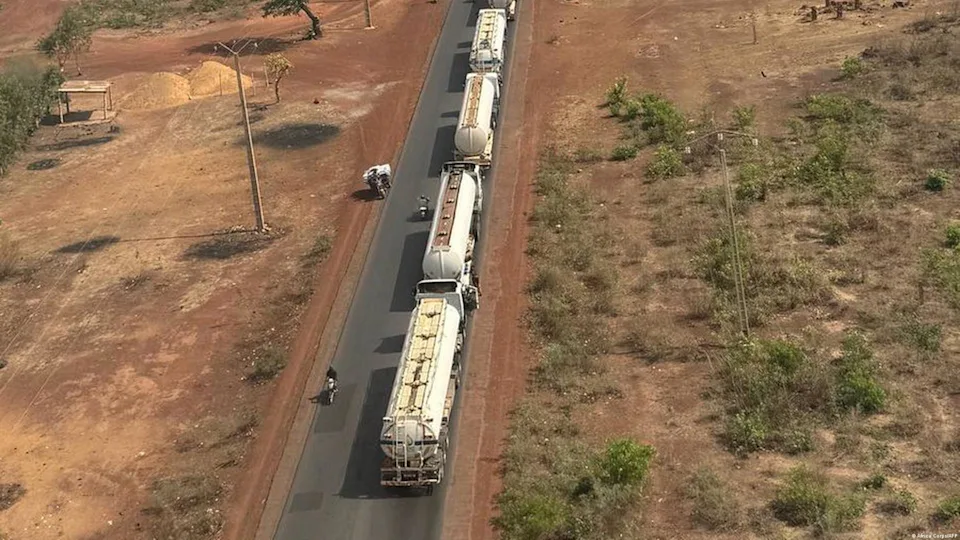
The group highlighted a recent incident where jihadists targeted a civilian convoy near Bougouni, southern Mali, transporting goods including fresh produce. According to the report, the trucks were neither escorted by military personnel nor carrying any military equipment.
Malian military intensifies strikes on rebel-held territories
In response to the escalating threats, the Malian armed forces announced plans to intensify aerial and ground operations against rebel strongholds. The city of Kidal, under the control of Tuareg separatists and their jihadist allies since late April, has become a focal point of military action. Residents report intermittent electricity cuts and disrupted communications with the northern regions.
A local resident from Kidal described the growing sense of distrust among civilians, caught between conflicting narratives from authorities and armed groups. Meanwhile, in Gao, another northern city under government control, residents face soaring food prices—with basic staples like onions doubling in cost.
Political analyst Hervé Lankoandé Wendyam noted that recent developments reflect a broader strategy to sever northern Mali from the rest of the country. “The situation in central Mali has escalated, with jihadist groups seeking to escalate violence by seizing urban centers,” he explained.
Jihadist control spreads in central regions
Sources familiar with central Mali report that jihadist factions now dominate areas along the left bank of the Niger River in the Ségou region, as well as parts of Koulikoro. Government administration has reportedly withdrawn from these zones, where extremist groups impose taxes and enforce strict social restrictions.
The closure of over 2,300 schools—mostly in northern and central Mali—has left thousands of children without access to education. Analysts warn that the military and jihadist groups are currently in a phase of strategic repositioning, with both sides preparing for potential renewed hostilities.
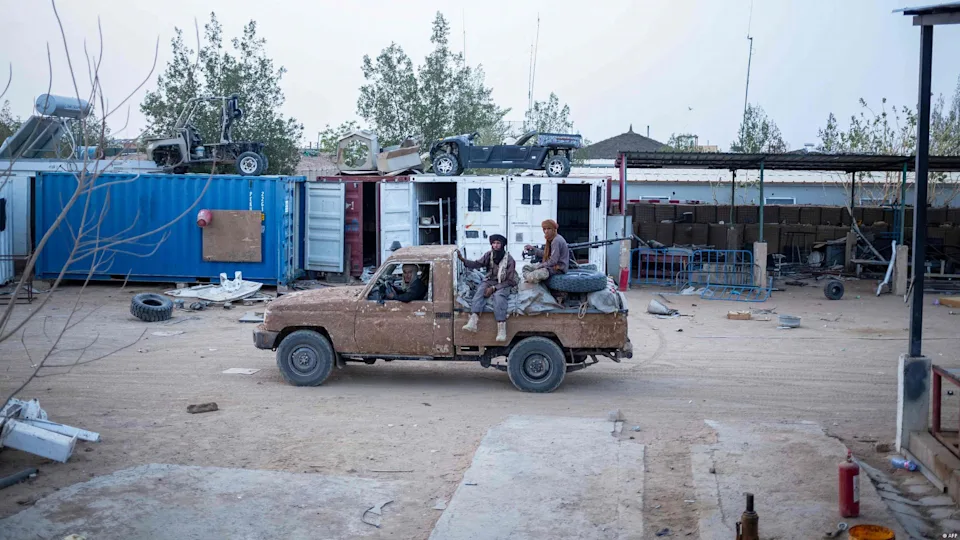
Abdoulaye Sounaye, a researcher specializing in Sahelian militant groups, emphasized the need for inclusive dialogue to resolve the crisis. “Both the military regime and armed factions appear to be bracing for confrontation. Meanwhile, civilians continue to bear the brunt of violence and economic strain.”
Ahmed Ould Abdallah of the 4S Center stressed that Mali’s political leadership must prioritize national reconciliation. “The current crisis affects every segment of society. The government needs to engage in genuine dialogue with all stakeholders to prevent perpetual instability.”
While Bamako officially rejects negotiations with groups labeled as terrorists, confidential talks have reportedly occurred to facilitate fuel supply agreements between military authorities and jihadist factions.
