
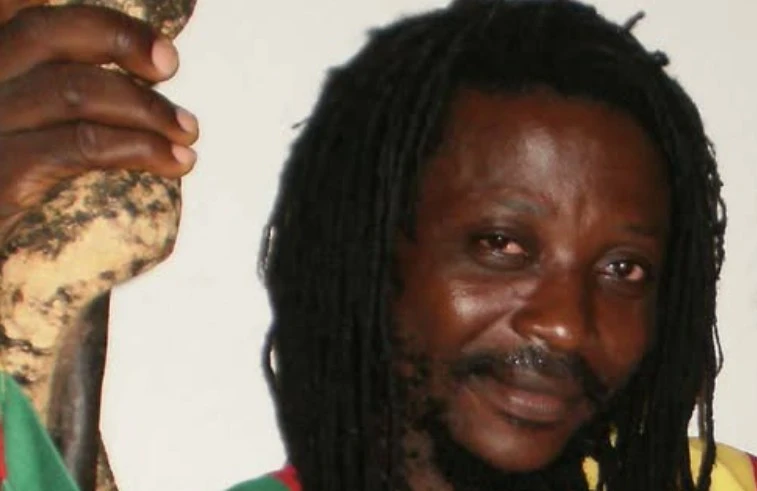
Political activist Joe La Conscience has launched a direct verbal assault on Paul Biya’s long-standing administration. After forty-three years of what he describes as chaotic governance and eroding public liberties, the activist is now sounding the alarm over a perceived plan for a dynastic power transfer. While accusations of family-based succession are not new, the term “dynastocracy” brings a fresh and provocative edge to the debate.
Four decades of power and a fractured legacy
Joe La Conscience traces the roots of the current situation back to 1982. He argues that Paul Biya’s initial rise to the presidency was a historical blunder by his predecessor, Ahmadou Ahidjo. What was originally anticipated as a transitional period has, in his view, transformed into a personal reign spanning more than four decades.
The activist paints a grim picture of the nation’s economy, alleging tribal-based governance and a steady decline in civil freedoms. These sharp criticisms reflect a personal indictment of the current system, delivered with the intensity of a formal prosecution.
The vice-presidency and the shadow of family succession
The most contentious part of this critique focuses on recent constitutional adjustments. Joe La Conscience highlights the creation of a vice-presidential position as a potential mechanism for a managed succession from the top. He coined the term “dynastocracy” to describe what he sees as a deliberate move to keep power within the president’s inner family circle.
The discussion also touches upon rumored rivalries among the president’s entourage and various transition scenarios. While these theories remain unconfirmed by official channels, they highlight a growing national conversation that extends beyond radical opposition circles. Issues regarding the president’s health and the general uncertainty of the post-Biya era are becoming central themes in the Cameroonian political landscape, signaling a significant shift in public discourse.