
Libreville’s urban renewal: balancing order and inclusivity
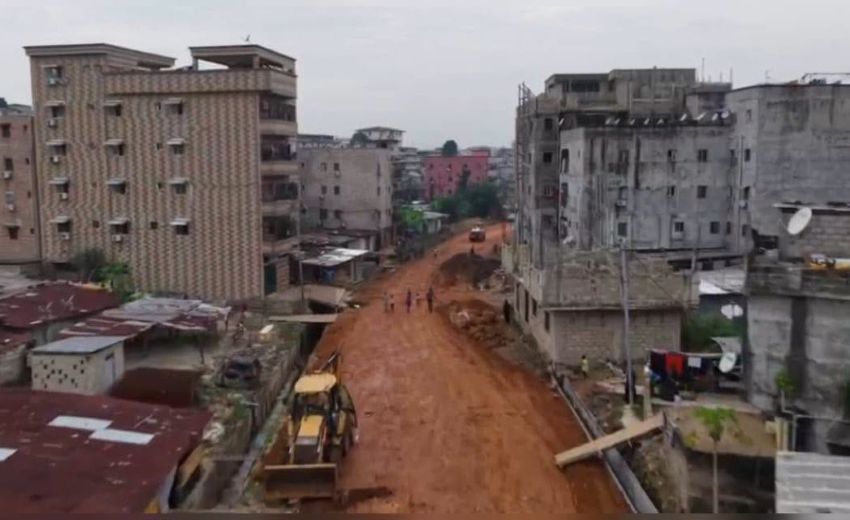
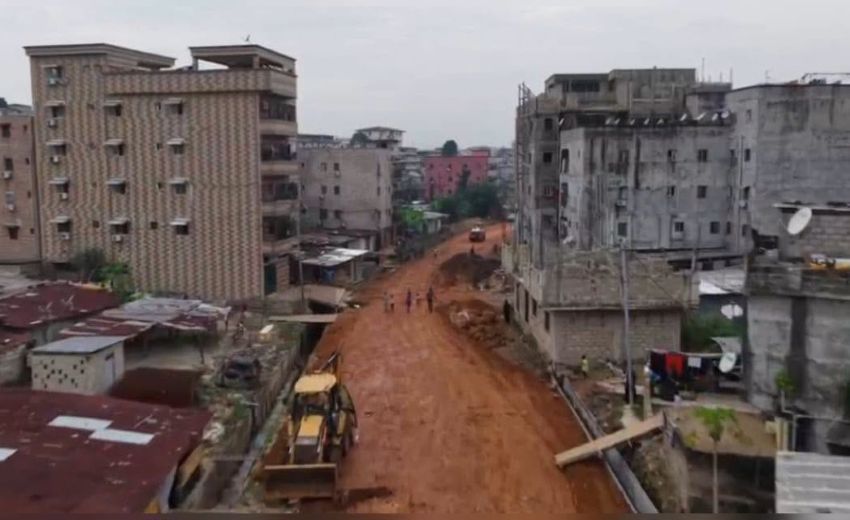
Libreville, Monday 13 July 2026 — The 10 July ultimatum issued by Mayor Eugène M’ba is reaching its deadline. In just hours, Libreville’s sanitation campaign against unauthorized public space occupation will enter a decisive phase, marked by evacuations, demolitions of illegal structures, removal of abandoned vehicles, and dismantling of informal businesses.
The municipality’s stated goal is to restore order to the urban landscape. By reclaiming sidewalks, intersections, and drainage channels from encroaching commerce and private extensions, officials aim to enhance mobility, hygiene, and the city’s appeal as a modern, attractive capital. Few dispute the urgency of addressing years of unchecked urban encroachment, which has transformed public spaces into ad-hoc markets and extensions of private ventures.
For many residents, the mayor’s intervention is long overdue. A political and economic hub cannot thrive amid chronic urban disorder without jeopardizing safety, health, and economic potential. The municipality’s campaign thus responds to a critical need for urban governance.
Yet as the deadline approaches, a counter-narrative is emerging in public discourse. Not a rejection of municipal authority, but a call to broaden the debate.
Beyond evictions: addressing root causes
A modern municipality’s success isn’t measured solely by enforcement but by its ability to support citizens, anticipate social shifts, and craft sustainable solutions. The critique isn’t an attack on the campaign but an invitation to strengthen its impact.
Behind every sidewalk stall or informal garage lies complex realities: youth unemployment, low household incomes, scarce affordable commercial spaces, high professional rents, and the rise of survival economies that colonize public land due to a lack of alternatives.
Without addressing these drivers, today’s evictions risk simply displacing the problem to another neighborhood tomorrow. History shows that eviction campaigns in African cities—Libreville included—rarely yield lasting results without relocation strategies and economic inclusion measures.
Building a city for all
The challenge now transcends urban cleanup. It’s about defining the Libreville of the coming decades. Creating new local markets, dedicated artisan zones, streamlined pathways for informal actors to formalize, and fostering dialogue between residents and municipal services could transform a one-off operation into lasting public policy.
As urban development expert Raphaël Mouissi-Ntoko notes, treating symptoms alone is insufficient; the root causes must be addressed. Cities like Lagos, Kigali, Abidjan, and Casablanca have shown that modernization requires a balance between regulatory rigor and social support.
Authority is non-negotiable—cities cannot prosper without rules, respect for public assets, or protection of communal property. Yet history also teaches that durable authority combines enforcement with pedagogy and tangible solutions.
A new urban contract in the making
Libreville’s campaign could mark more than a sanitation drive. It may signal a new social contract between the city and its inhabitants. The municipality now has a rare chance to prove that order and dialogue can coexist, that laws can be enforced without ignoring social realities, and that rules can create opportunities.
The stakes extend beyond occupied sidewalks or illegal structures. They encompass how African capitals in the 21st century reconcile demographic growth, economic development, and social cohesion. Libreville has chosen to act urgently to address a critical situation. The coming weeks will determine whether the recovery of public space becomes not just an administrative victory, but the first step toward a more inclusive, humane, and sustainable urban future for Gabon’s capital.