
The Republic of Centrafrique has once again been plunged into a nightmare as fresh videos circulate online, exposing the gruesome tactics employed by Wagner mercenaries. On July 8, these fighters—operating with near-impunity—ambushed a group of individuals in an interior region, executing them before decapitating the victims and arranging their severed heads in a chilling display on the ground. The macabre scene was not only carried out but also filmed, with the Wagner commander’s voice heard issuing chilling orders: ‘You refuse peace? Then this is your fate. Slaughter every last one!’
The victims included combatants from an armed group who had arrived under the guise of a disarmament initiative, as well as civilians, including a village chief. This brutal act underscores the escalating violence in a nation long abandoned by stability. For decades, the country has been labeled a ‘non-state’—a territory where governance is a distant memory and armed factions, including Wagner, dictate the terms of survival.
The normalization of extreme brutality
Such horrors are no longer shocking to residents of Centrafrique. Since the 1990s, the nation has been described as a ‘state that does not exist’, a description that persists despite international missions like MINUSCA attempting—and failing—to restore order. The arrival of Wagner mercenaries, operating under a ‘license to kill’ sanctioned by the Centrafrican government, has only deepened the crisis. These forces now exert control over the military, police, judiciary, and even airport operations in Bangui, functioning as a shadow government.
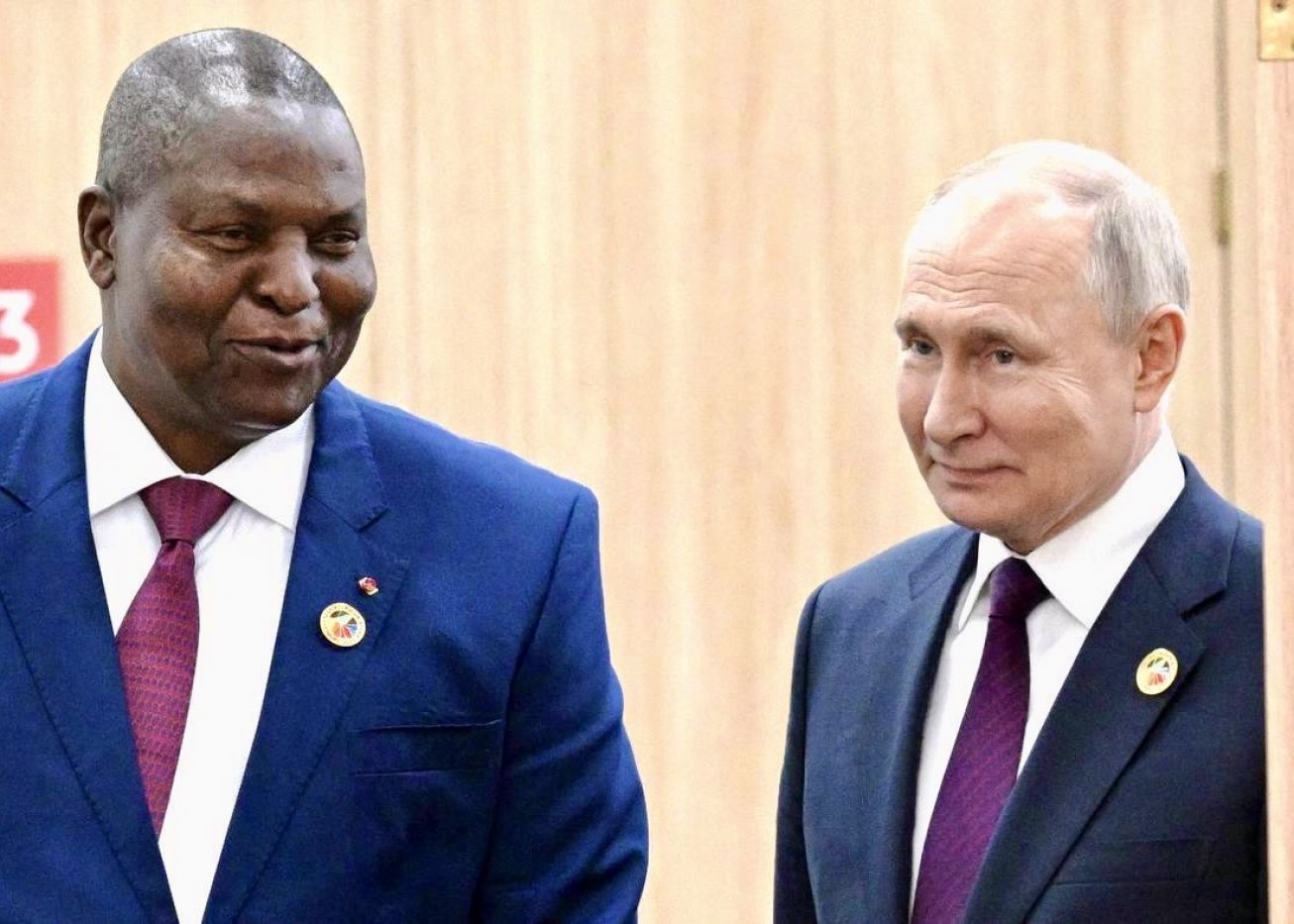
Human rights organizations have repeatedly condemned Wagner’s crimes, yet their warnings go unheeded. The Kremlin-backed group’s influence extends to mining operations, where they exploit the country’s vast mineral wealth under the protection of President Faustin-Archange Touadéra. Loyalty to the late founder of Wagner, Evgueni Prigojine, remains strong among his fighters, who have even erected a statue in his honor—a grotesque tribute in a land where terror is the new normal.
A colonial order reborn
Wagner’s presence in Centrafrique is not merely military occupation; it is a reimagining of colonial control. The group’s unchecked power has led to forced disappearances, torture, and extrajudicial killings, with the government turning a blind eye. When concerns were raised about Wagner’s conduct, Touadéra reportedly responded, ‘We need the Russians. They are the only ones keeping us in power.’ The cost of retaining power has been the transformation of Centrafrique into a theater of unimaginable cruelty, where justice is absent and fear reigns supreme.
As the international community grows accustomed to the country’s descent into chaos, the voices of opposition and civil society grow louder. Yet their pleas for Wagner’s withdrawal fall on deaf ears. In this land suspended between oblivion and despair, the shadow of Wagner looms larger than the state itself.