
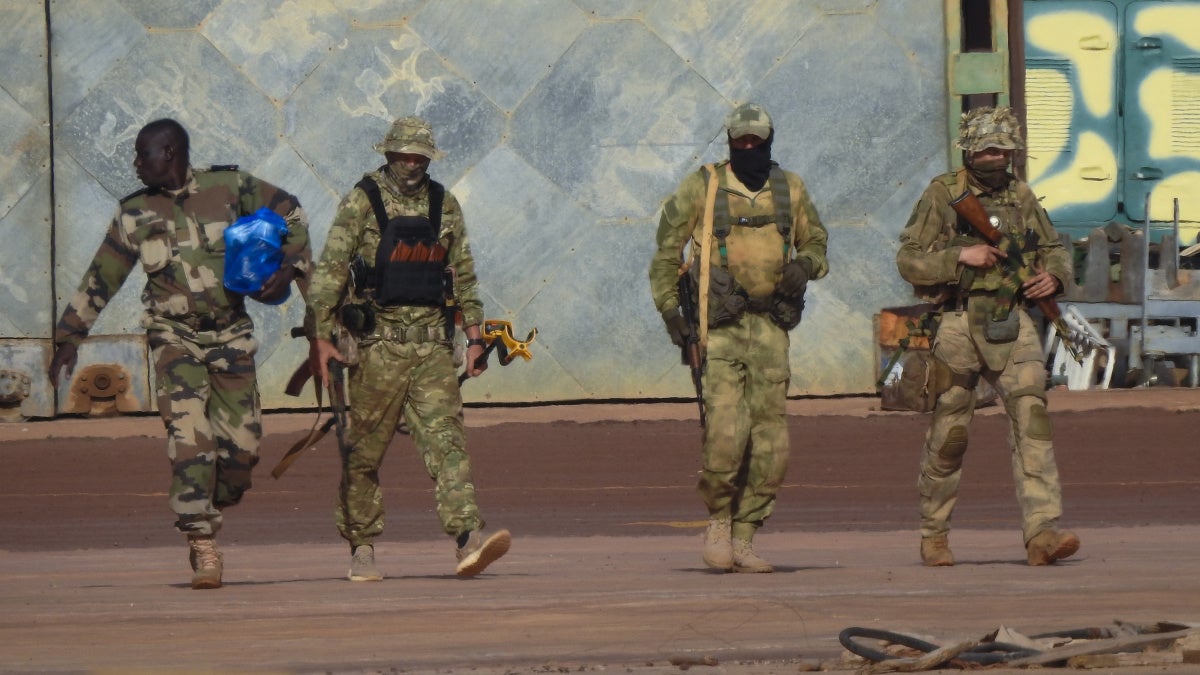
allegations of war crimes in Mali’s ongoing conflict
The Malian armed forces, operating alongside the Russian-backed Wagner Group, have been implicated in a series of extrajudicial killings and enforced disappearances targeting Fulani civilians since January 2025. These alleged atrocities, documented by international observers, raise serious concerns about violations of international humanitarian law and human rights abuses in the war-torn nation.
key allegations and documented incidents
According to reports, Malian troops and Wagner mercenaries have:
- Executed at least 12 Fulani men and forcibly disappeared another 81 since the beginning of 2025
- Targeted Fulani civilians in counterinsurgency operations against Islamist armed groups like the Group for the Support of Islam and Muslims (Jama’at Nusrat al-Islam wa al-Muslimeen, JNIM), linked to Al-Qaeda
- Used brutal tactics, including torture, arbitrary arrests, and extrajudicial killings in villages across regions such as Kayes, Ségou, and Tombouctou
regional and international responses
The African Union (AU) has been urged to intensify its efforts to protect civilians in Mali, including:
- Supporting independent investigations into allegations of war crimes
- Pressuring Malian authorities to hold perpetrators accountable
- Ensuring reparations for affected families
Human rights organizations stress that both the Malian junta and Russian-backed forces must comply with international humanitarian law, including the Geneva Conventions and the International Convention for the Protection of All Persons from Enforced Disappearance, to which Mali is a signatory.
context: Mali’s decade-long crisis
Since a 2021 military coup, Mali’s junta has relied heavily on Wagner Group support to combat Islamist insurgencies. Despite official denials, evidence suggests Wagner operatives have been active in the country for years, participating in counterterrorism operations alongside Malian forces. Recent reports indicate Wagner’s withdrawal in mid-2025, with its operations being taken over by the Russia-affiliated Africa Corps.
However, the transition has not eased civilian suffering. Islamist groups and separatist factions continue to launch attacks, while reports of abuses by state-aligned forces persist. The withdrawal of the UN peacekeeping mission (MINUSMA) in 2023 has further weakened civilian protection mechanisms.
international legal implications
The alleged crimes fall under the jurisdiction of the International Criminal Court (ICC), which has been investigating war crimes in Mali since 2012. Legal experts warn that both Malian and Russian officials could be held accountable for actions committed by their forces.
As investigations continue, the international community faces mounting pressure to ensure justice for victims and prevent further atrocities in one of Africa’s most volatile regions.
notable incidents and victim testimonies
kobou (january 23, 2025): mass killings and arson
On January 23, Malian soldiers entered Kobou, a village under JNIM control, and reportedly killed three Fulani men, including a 46-year-old and two elderly individuals (65 and 75 years old). Witnesses described the bodies as having been blindfolded and bound before execution. Over 30 homes were burned during the raid.
“We, the Fulani, all fled because we know the soldiers will target us, accusing us of being jihadists. If you don’t run, the jihadists will kill you for allegedly aiding the soldiers. No one spares us.”
Satellite imagery analyzed by human rights groups confirmed widespread destruction in the village, corroborating witness accounts.
farana (march 26, 2025): enforced disappearances and torture
In Farana, witnesses reported soldiers arresting four Fulani men near a river, subjecting them to severe beatings before taking them away. A survivor described finding a “slaughterhouse” scene, with blood and human remains scattered across the area. The men remain missing, and their families have received no information from authorities.
sebabougou (april 12, 2025): mass arrests and suspected executions
In Sebabougou, Malian forces and Wagner operatives detained over 100 Fulani men, accusing them of links to Islamist groups. At least 65 detainees were later found dead near a military camp, with families unable to identify the bodies due to decomposition. Others were transferred to Bamako’s central prison before being released without charges.
belidanédji and molodo (march 30, 2025): collective punishment
On March 30, Malian troops and Wagner fighters entered Belidanédji, executing six Fulani civilians after clashing with JNIM forces. Survivors described soldiers killing unarmed men, including one who was fatally shot while attempting to flee. Additional detentions occurred in nearby Molodo, where two men were held in secret containers for two weeks before their fate became known.
sikere (may 14, 2025): targeted executions
In Sikere, soldiers and allied Dozo militiamen rounded up Fulani and Rimaibé men, accusing them of supporting JNIM. Four men were executed in a mosque courtyard after being blindfolded and interrogated. Witnesses reported threats of further reprisals if Islamist attacks occurred in nearby villages.
urgent calls for accountability
Human rights advocates emphasize that the alleged crimes constitute war crimes and crimes against humanity. They urge:
- Immediate independent investigations into all allegations
- Prosecution of perpetrators, including command responsibility for military and Wagner leadership
- Protection of witnesses and victims’ families from retaliation
- International pressure on Mali’s junta and Russia to comply with legal obligations
As the crisis in Mali deepens, the need for justice and accountability has never been more urgent. The international community’s response will determine whether these atrocities continue unchecked or whether perpetrators face consequences under national and international law.