
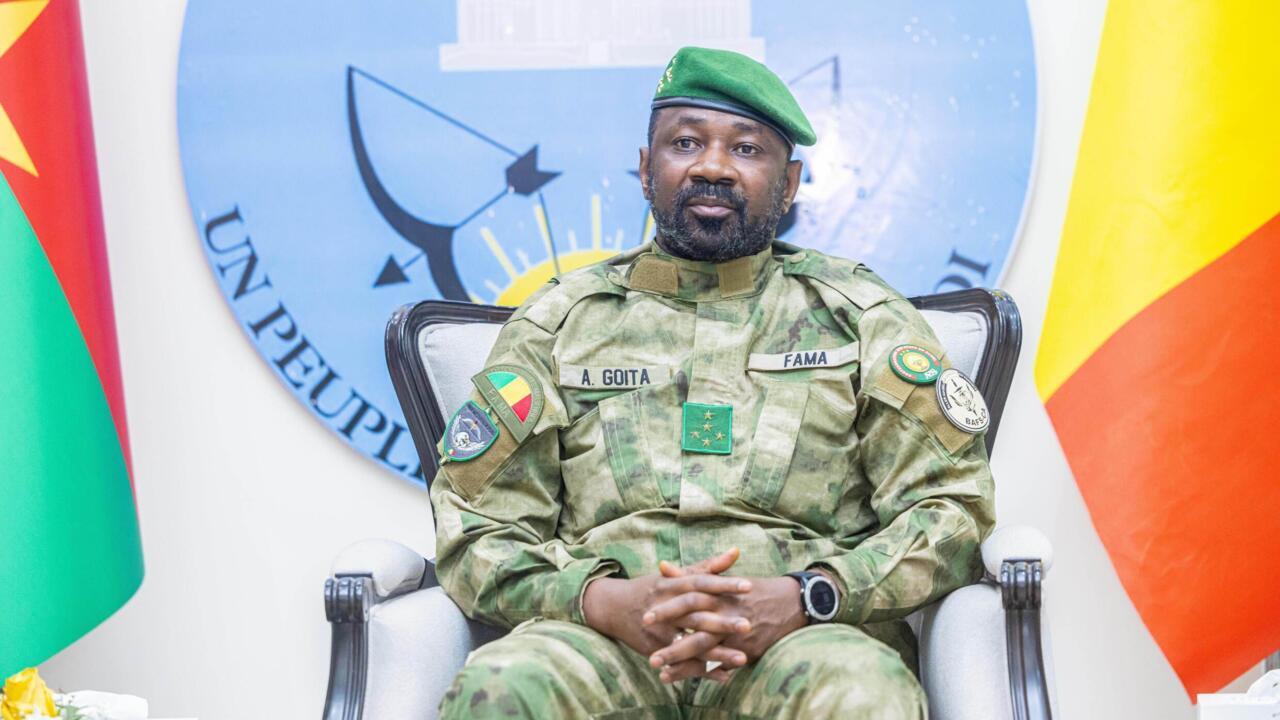
After over a year of escalating tensions, Mali and Algeria have taken a decisive step toward reconciliation by restoring full diplomatic relations. The announcement, made last week, came as a surprise to many observers, especially given the absence of any prior diplomatic signals. The dispute had reached a boiling point in April 2025, when Mali accused Algeria of harboring ties with armed groups operating near their shared border, including jihadist factions linked to al-Qaïda and separatist movements such as the FLA.
What factors contributed to this unexpected thaw? Could the involvement of regional players like Russia or Niger have played a role in brokering this détente? And perhaps most critically, will this diplomatic shift pave the way for a renewed emphasis on political solutions over military force—a strategy Algeria has long championed?
Regional mediation and the role of neighboring states
What prompted this sudden diplomatic breakthrough between Bamako and Algiers? While speculation has swirled around the potential influence of external actors, deeper analysis suggests the thaw may have been driven by quiet mediation efforts from neighboring Niger. Since early 2025, Niamey has actively worked to mend its own strained relations with Algeria, positioning itself as a bridge in the region.
Russia’s role, if any, appears indirect. While Moscow maintains close ties with both Bamako and Algiers, there is no evidence of direct pressure on Mali to soften its stance toward Algeria. Instead, the détente likely stems from a combination of diplomatic nudges from regional capitals and the pragmatic realization that prolonged confrontation serves no one’s interests.
Military vs. political solutions: can a new approach emerge?
Mali’s transitional government has consistently rejected dialogue with armed groups, opting instead for a strictly military response. This stance has deepened divisions, particularly with Algeria, which has long advocated for negotiated solutions. The recent rapprochement suggests that Bamako may now be open to incorporating political dialogue into its security strategy—though not necessarily reviving the 2015 Algiers Agreement.
Could this shift lead to direct talks with the FLA separatist movement? It remains speculative, but the need for stability in Mali may force a reconsideration. The FLA, though opposed to the current government, is not an existential threat to Algeria’s interests. Algiers has maintained discreet channels with FLA leaders for years, leveraging its influence to prevent cross-border spillover. If this détente holds, we may see Algeria take a more active role in facilitating backchannel discussions between Bamako and the FLA.
Yet the path forward is fraught with challenges. Spoilers—both domestic and international—could derail progress. Hardline factions within Mali’s transitional government may resist any concessions to armed groups, while jihadist factions like the JNIM could escalate attacks to undermine the fragile peace. Public opinion in Mali, weary of years of conflict, may also demand tangible results from these diplomatic efforts.
Trust and tensions: unresolved grievances
How will Algeria address Mali’s accusations of complicity with armed groups? Algeria’s position has long been one of delicate balance. It cannot afford to alienate either Bamako or rebel factions without risking instability on its own southern flank. Historically, Algiers has maintained indirect ties with groups like the JNIM and FLA to preserve its influence, without endorsing their violent campaigns. This pragmatic approach may now face scrutiny as Mali seeks assurances of Algerian neutrality.
The recent drone incident of April 2025—where Mali accused Algeria of violating its airspace—remains a sore point. While the accusation was denied by Algiers, the episode underscored the depth of mutual distrust. Resolving such incidents will be critical to sustaining the détente.
Another complicating factor is the presence of Malian opposition figures in Algeria, such as the exiled imam Dicko, who has openly called for the overthrow of Mali’s transitional government. Under the new framework, Algiers may urge greater discretion from figures like Dicko to avoid provoking Bamako.
Will this détente last, or is it just another diplomatic mirage?
Diplomatic thaws, while promising, are often short-lived in the Sahel. The real test will come in the coming months, as both sides implement the terms of their agreement. The immediate priorities will likely include:
- Reinforcing security coordination between Malian and Algerian forces
- Enhancing intelligence-sharing to combat cross-border threats
- Initiating discreet dialogue with rebel factions to reduce hostilities
The success of these steps hinges on the willingness of both governments to prioritize stability over confrontation. If the deal holds, we may see a gradual easing of tensions. If not, the region risks returning to the cycle of distrust and violence that has plagued it for years.
Analysts warn that progress will depend on tangible actions, not just words. The next few months will reveal whether this thaw is a turning point—or merely another chapter in a long-standing conflict.