
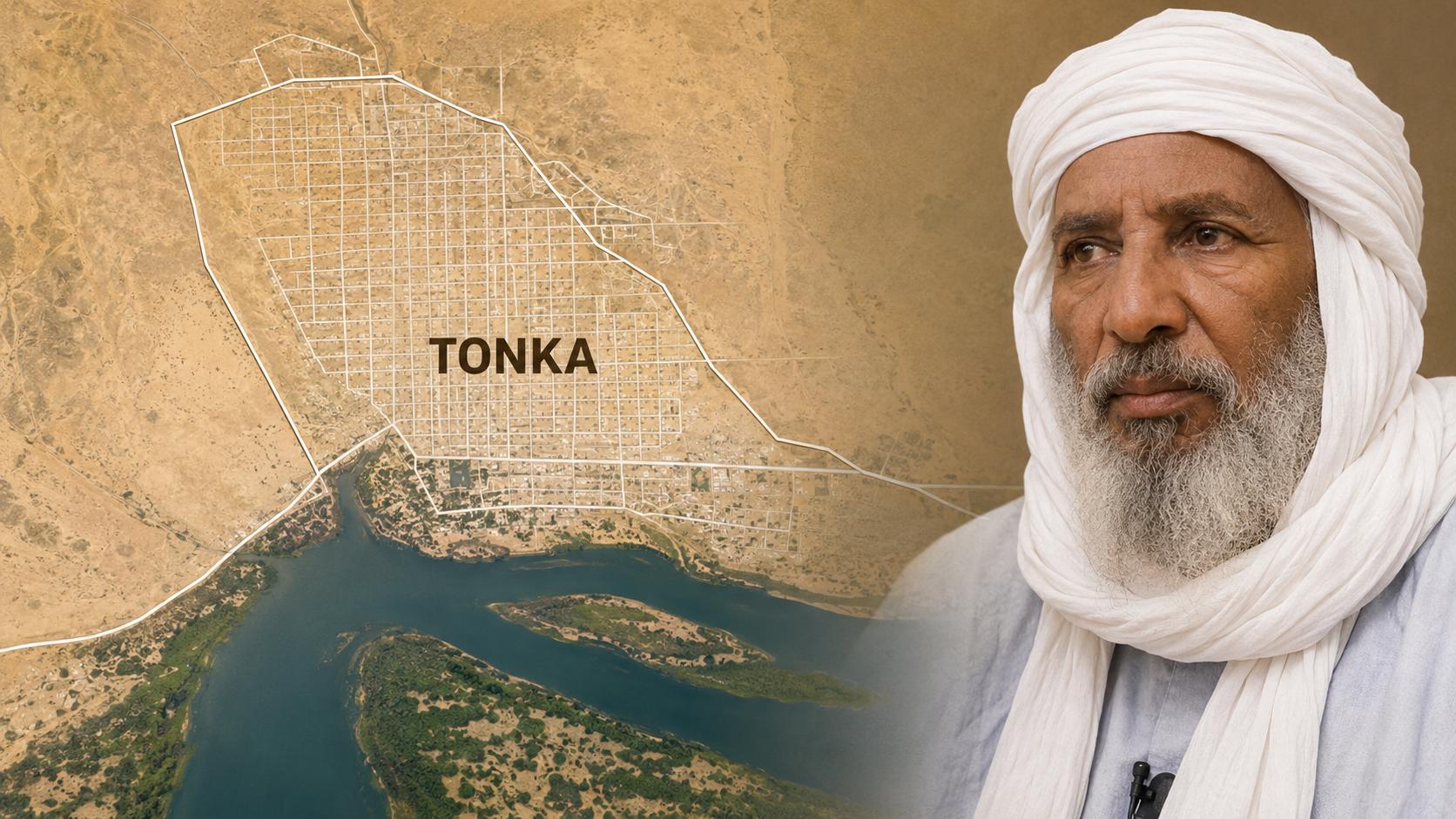
Another violent assault attributed to the Group for the Support of Islam and Muslims (JNIM) has once again plunged Mali into mourning, underscoring the persistent insecurity plaguing multiple regions. Armed assailants targeted a remote Malian locality, leaving a trail of civilian casualties and forcing yet another wave of population displacement.
The incident follows months of intensified military operations, yet armed groups continue to demonstrate their ability to strike even in areas distant from major urban centers. This latest attack highlights the ongoing challenges faced by authorities in their quest to establish lasting security nationwide.
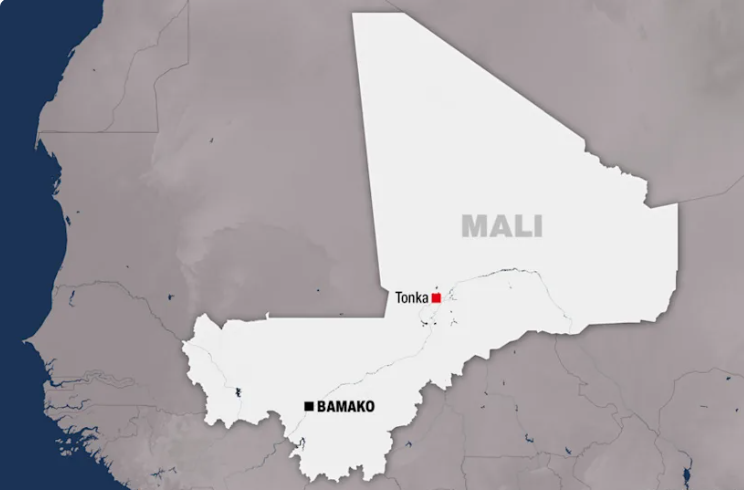
The violence has now spread beyond traditional conflict zones. The assassination of prominent Malian blogger and influencer Mariam Cissé—widely attributed to JNIM—has sent shockwaves through public opinion. Recognized for her vocal support of the Malian Armed Forces on social media, she was reportedly abducted before being executed by jihadist fighters. Beyond the human tragedy, this act underscores the extremists’ deliberate strategy of instilling fear, targeting not only security forces but also civilians and public figures whose views challenge their ideology.
Since seizing power, Mali‘s transitional government has prioritized military capacity-building. The acquisition of advanced equipment, expansion of security partnerships, and surge in ground operations reflect a clear determination to regain the upper hand against jihadist factions. Yet, the frequency of attacks and targeted killings, such as that of Mariam Cissé, raises serious questions about the limitations of an exclusively military approach.
Many analysts argue that combating extremism cannot rely solely on arms purchases or troop deployments. While these measures are crucial for protecting civilians and reclaiming territory, they fail to address the root causes of instability. Weak educational infrastructure, unequal access to schooling, youth unemployment, and economic despair are frequently cited as factors that fuel recruitment into armed groups. Experts increasingly emphasize the need to invest in accessible, high-quality education from an early age as a key strategy to reduce the long-term influence of extremist organizations.
The Malian authorities face a dual challenge: sustaining defense capabilities while implementing public policies that meet the needs of the population. A balanced strategy—one that integrates security, education, local development, and governance—could offer a more sustainable path forward in a conflict that has destabilized the country and the wider Sahel region for over a decade.
The relentless cycle of civilian massacres and targeted assassinations reveals a stark reality: the threat now extends beyond battlefield confrontations, targeting anyone perceived as opposing extremist agendas. Observers warn that Mali‘s stability hinges not only on its military’s ability to contain jihadist groups but also on the state’s capacity to strengthen institutions, rebuild public trust, and provide young people with opportunities rooted in education, employment, and civic engagement.