
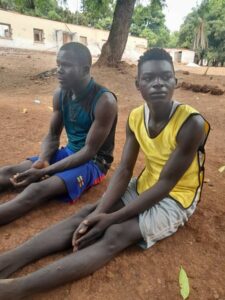
Two militia members from the Central African Republic have been transferred from the custody of Russian mercenaries to the gendarmerie cells in Bangui, ending weeks of unlawful detention and brutal treatment. Antoine Zogonimbou and Mboliloungoule, initially seized in Zemio, were subjected to severe torture at the Berengo facility before their unexpected release.
From abduction to survival: a harrowing ordeal
The two men, affiliated with local defense groups, were forcibly taken from their homes in Zemio, a town in the southeastern part of the country, where tensions have persisted amid ongoing security challenges. Their captors, identified as operatives of a foreign security firm, transported them to the infamous Berengo compound, a site notorious for its use in alleged human rights violations.
Survivors and witnesses described the extreme conditions endured by Zogonimbou and Mboliloungoule. Reports of systematic physical abuse, psychological coercion, and deprivation of basic necessities emerged during their captivity. Despite international condemnation of such practices, the mercenaries continued their operations unchecked, raising concerns about accountability in conflict zones.
end of an ordeal, but questions remain
After weeks of silence, the sudden transfer of the two men to the gendarmerie headquarters in Bangui came as a relief to their families and human rights advocates. Officials confirmed their detention but provided no explanation for the delay in processing or the conditions of their captivity.
Their release, though a positive development, leaves unanswered questions about the broader pattern of abuse linked to foreign security contractors in the Central African Republic. Local leaders and activists have called for a thorough investigation into the alleged war crimes committed at Berengo and elsewhere, urging authorities to hold those responsible fully accountable.
what’s next for the survivors?
While Zogonimbou and Mboliloungoule are now in the custody of national authorities, their physical and psychological recovery will require sustained support. Medical evaluations have been initiated, but the long-term impact of their ordeal remains uncertain. Human rights organizations continue to monitor the situation, emphasizing the need for justice and reparations for victims of such violations.