
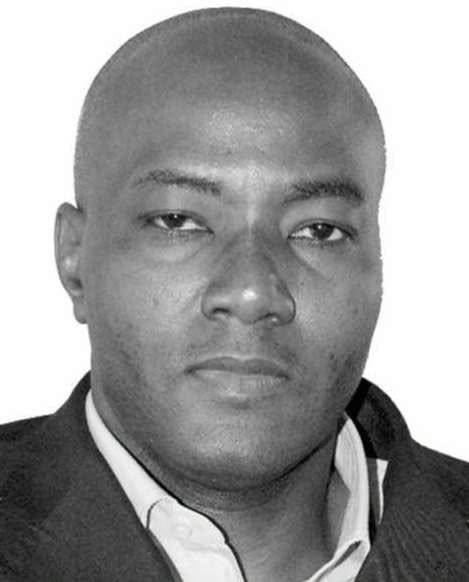
The director of the private daily newspaper L’Enquêteur has been taken into custody by security forces in the capital city. With no official explanation provided yet, media professionals are waiting in a state of high tension.
In Niamey, anxiety is mounting within the Nigerien media community. Soumana Idrissa Maïga, a prominent figure in the local press landscape and the head of the newspaper L’Enquêteur, was recently detained by security agents. This development has quickly become the primary topic of discussion across the city, highlighting the ongoing challenges of practicing journalism in the region.
Lack of procedural clarity
Currently, total uncertainty surrounds the specific reasons and circumstances of this arrest. Neither police nor judicial authorities have issued a formal statement to justify this deprivation of liberty. Maïga’s family and his editorial team at L’Enquêteur are still awaiting clarification on any potential charges being leveled against him.
Given the sensitivity of the situation, regional information platforms and press advocacy groups are maintaining a stance of extreme caution. The focus remains strictly on the established facts while awaiting official versions from the justice system or defense counsel.
A previous legal battle in April 2024
This latest intervention by security forces follows a legal procedure that targeted the journalist two years ago. In April 2024, the Judicial Police arrested Soumana Idrissa Maïga after he published an article concerning the purported installation of surveillance hardware by Russian technicians within Nigerien official buildings.
Following a four-day interrogation period, he was placed under a committal order at the Niamey detention center. He was accused of “undermining national defense,” a serious charge that carries a potential ten-year prison term. After several weeks of detention, which sparked international calls for his release, the court eventually granted him provisional liberty.
Press freedom under significant strain
On a broader scale, the climate for media freedom in Niger has seen a marked decline since the military transition began on July 26, 2023. In the global rankings released in April 2026, Niger occupied the 120th position, representing a dramatic drop of 37 places within a single year.
Observers note that the transition authorities are increasingly narrowing the space for independent media, often citing national security requirements. This trend is turning the Sahel into one of the most difficult regions for the exercise of independent journalism. The situation continues to evolve as the media community waits for verifiable updates from official channels.