
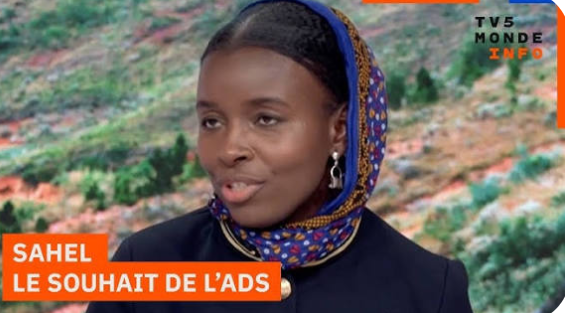
The Nigerien transitional authorities have issued an official decree stripping Dr. Mayra Djibrine, president of the Alliance des démocrates du Sahel (ADS), of her Nigerien nationality. The decision, taken in the context of tightening regulations against dissenting voices abroad, has sparked intense debate among Niamey’s population and civil society. While some praise the government’s firm stance, others voice concerns over its implications for individual freedoms.
a controversial decree with far-reaching consequences
In a significant shift in Niger’s political and legal landscape, the transitional government formalized the withdrawal of Dr. Djibrine’s citizenship through an official decree. An academic and prominent leader of the Alliance des démocrates du Sahel, based in Belgium, she has now lost all civic and political rights tied to her Nigerien heritage.
The authorities in Niamey justified the measure by citing her « actions contrary to the strategic interests and sovereignty of Niger ». For months, the ADS had been vocal in criticizing the handling of the transitional period, lobbying European institutions for a swift return to constitutional order. From the government’s perspective, such activities constitute an attempt to destabilize the country, warranting the application of the 2024 ordinance that allows for citizenship revocation in cases of treason or threats to national security.
voices from Niamey: divided reactions to the decision
The announcement has dominated conversations across Niamey, from informal gathering spots to bustling markets. The measure’s impact is most visible in the contrasting opinions of ordinary citizens.
At the heart of the capital’s commercial activity, the Great Market of Niamey buzzes with political discussion. Amadou, a fabric trader, voices strong support for the government’s decision: « Niger is at a pivotal moment in its history. We cannot tolerate citizens comfortably settled in Europe openly calling for sanctions against their own people. If you fight against Niger’s interests from abroad, it’s only right that Niger turns its back on you. This is a matter of patriotism. » His stance reflects the views of many who believe national sovereignty demands unconditional loyalty, particularly during crises.
Just a short distance away, in the academic and residential neighborhood of Abdou Moumouni University, opinions take a starkly different turn. Fatouma, a public law student, expresses deep unease: « This sets a dangerous precedent. Revoking someone’s nationality for their political opinions—even those expressed from Brussels—raises serious legal concerns. Nationality is a fundamental right, not a privilege the state can revoke at will. Today, it’s Dr. Djibrine; tomorrow, who knows? » Her concerns echo those of local observers who fear the decision could further restrict civic space and undermine social cohesion.
legal and diplomatic repercussions of a bold move
Beyond public opinion, legal experts in Niamey are scrutinizing the foundations of this unprecedented action. Niger’s nationality code, recently amended by the National Council for the Safeguard of the Homeland (CNSP), broadens the criteria for revocation. Pro-government jurists argue the procedure complies with the exceptional laws currently in force. Human rights advocates, however, contend it violates international conventions ratified by Niger, which prohibit rendering individuals stateless.
The diplomatic fallout is equally significant. By targeting the ADS president in Brussels, Niamey signals its intent to curb political dissent beyond its borders, employing the ultimate sanction of civic death to silence critics.
The revocation of Dr. Mayra Djibrine’s nationality marks a new chapter in Niger’s strategy of political control and security enforcement. While some applaud the government’s show of strength, many citizens remain uneasy, questioning the balance between state security and democratic freedoms. As Niger redefines its internal alliances and governance, the tension between these priorities shows no sign of easing.