
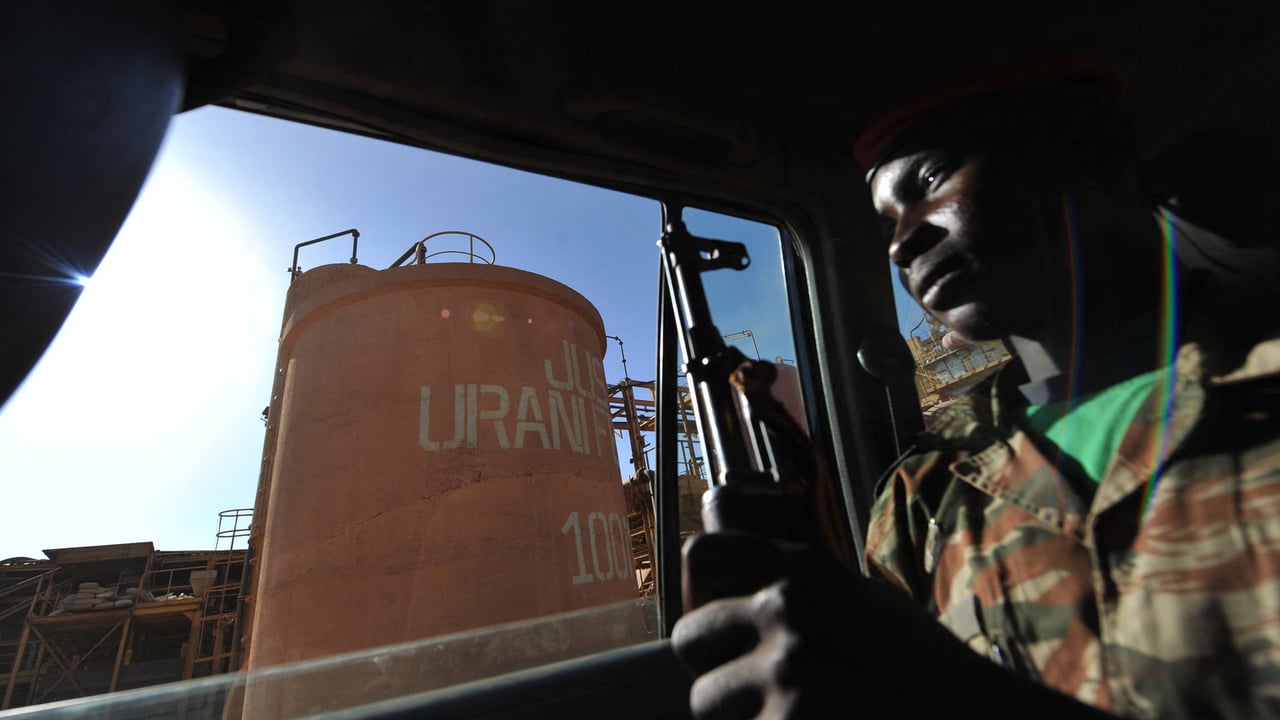

Niger’s uranium industry, a cornerstone of the country’s economy, is caught in a web of legal battles and stalled trade agreements. The sector, long dominated by French multinational Orano, now faces unprecedented challenges as new leadership reshapes the nation’s economic policies.
legal hurdles stall uranium operations
Recent court rulings have frozen key contracts, leaving Orano’s mining ventures in limbo. Legal experts point to disputes over licensing renewals and royalty payments as major obstacles. A high-profile case involving the Arlit uranium mine has drawn international attention, with both sides locked in prolonged negotiations.
The Nigerien government has accused Orano of violating terms, while the company argues that regulatory changes have made operations unsustainable. These disputes have halted production at some sites, threatening thousands of jobs and disrupting supply chains.
trade disruptions hit global markets
The impasse has sent ripples through global uranium markets, where Niger holds one of the world’s largest reserves. Buyers in Europe and Asia, heavily reliant on Nigerien uranium for nuclear energy, are scrambling to secure alternative sources. The uncertainty has pushed prices upward, raising concerns about energy security in importing nations.
The military-led administration, which took power in recent years, has vowed to renegotiate all mining agreements. Officials argue that past deals were unfavorable and that new terms must reflect Niger’s evolving priorities. However, investors remain cautious, fearing further disruptions.
impact on local communities
Beyond economics, the crisis has affected local communities near uranium sites. Mining towns like Arlit and Akouta, once thriving hubs, now grapple with unemployment and social unrest. Residents report deteriorating infrastructure and limited access to basic services as companies scale back operations.
Environmental concerns have also resurfaced, with activists warning of increased risks from abandoned mines and unregulated waste disposal. Health studies in the region have linked uranium exposure to elevated cancer rates, further complicating the debate.
path forward remains unclear
Diplomatic efforts to resolve the standoff are ongoing, but progress has been slow. The Nigerien junta has signaled openness to dialogue but insists on fairer terms. Meanwhile, Orano has proposed interim measures to maintain operations while negotiations continue.
For Niger, the stakes couldn’t be higher. Uranium accounts for a significant share of export revenue, and its future hinges on finding a balanced resolution. The next few months will be critical in determining whether the sector can recover or if the current crisis will leave lasting damage.