
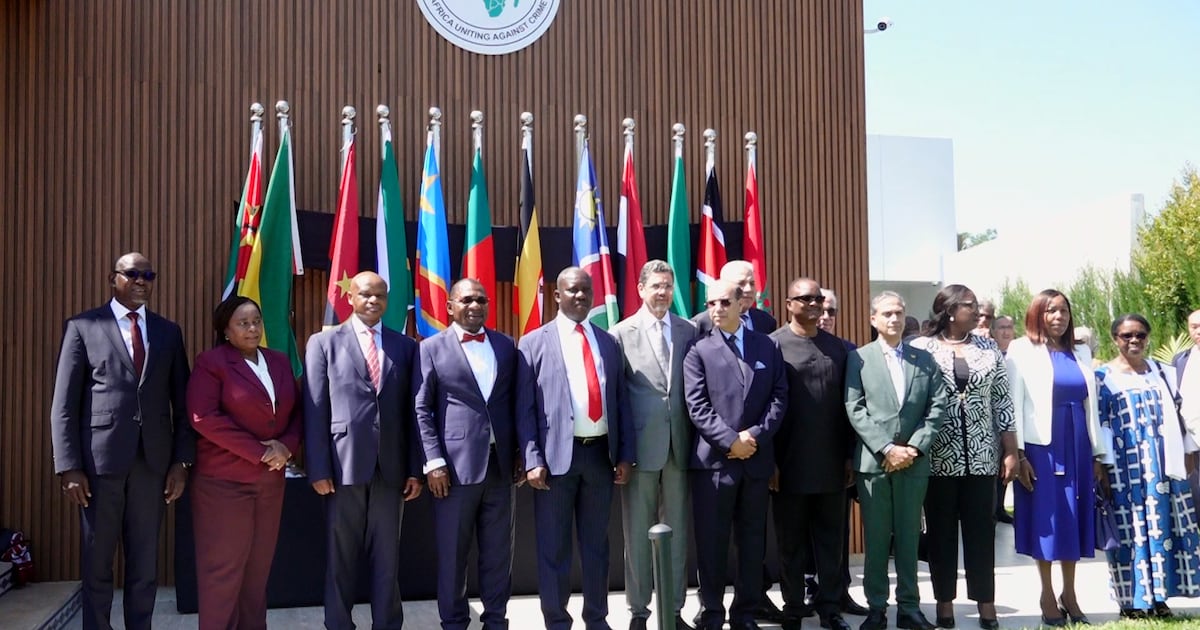
Morocco’s top prosecutor, Hicham Balaoui, led the inauguration ceremony of the permanent headquarters of the Association of African Prosecutors in Rabat this Tuesday.
The event was attended by Renson Ingonga, the Kenyan president of the association, while Balaoui serves as its secretary-general. Together, they formalized the transfer of the organization’s headquarters from Mozambique to Morocco through a signed agreement.
The gathering highlighted the strategic position of Morocco on the African continent under the leadership of King Mohammed VI, with attendees praising the trust placed in its judicial institutions by legal and professional bodies across Africa.
Among the dignitaries present were Mohamed Abdennabaoui, vice president of the Supreme Council of the Judiciary, and Abdelatif Amrani, Morocco’s treasurer general, alongside other high-ranking judicial officials.
Strengthening judicial ties across Africa
The Association emphasized that the ceremony reflects Morocco’s ongoing commitment to fostering judicial cooperation in Africa and enhancing coordination mechanisms between legal institutions across the continent.
During the Rabat meeting, the executive committee finalized the association’s work agenda, reviewed proposed amendments to its statutes, and discussed annual membership contributions.
A unified stance against transnational crime
In his opening address, Hicham Balaoui stressed the need to strengthen collaboration between African police forces and prosecutors, particularly in combating organized crime, corruption, human trafficking, and cybercrime.
Participants commended the Association of African Prosecutors for its pivotal role in deepening professional cooperation among members. They recognized its institutional framework as a vital platform for dialogue, coordination, and collective action against challenges in African criminal justice.
The establishment of the association’s permanent headquarters in Rabat marks a significant milestone for Morocco’s role in continental judicial cooperation. It also signals a new institutional chapter for exchanges between African prosecutors, amid rising transnational crime threats.