
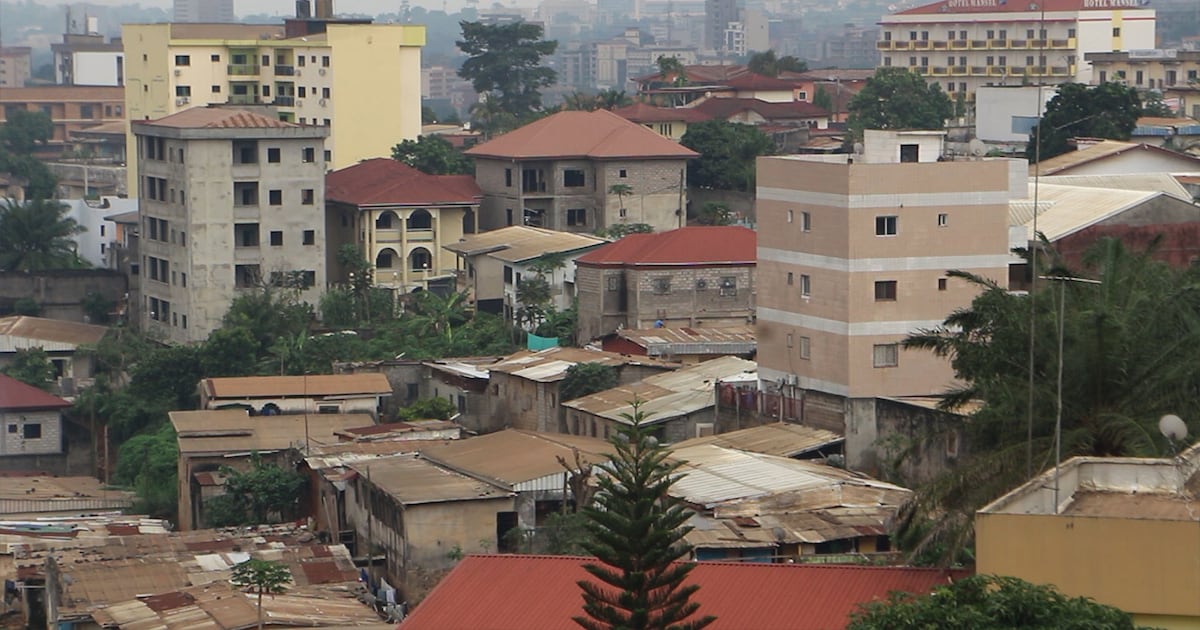
“The Yaoundé of today is unrecognizable from the city we knew two decades ago,” reflects Mbarga Obama, a native of Cameroon’s political capital. At nearly 90 years old, he speaks with delight about the profound transformation of his home village into a bustling metropolis. “Modern infrastructure has radiated out from the city center, and the town where I was born now stretches far beyond its original seven hills. I truly love this progress.”
He recalls a time when the urban core was narrowly defined. “In the past, the city was essentially confined to the Atemengué plateau, with only minor expansion into neighborhoods such as Mokolo and Nlong-Kak,” he explains. “Everything else was semi-rural.”
Much has changed since then. The former village has become a powerful magnet, drawing thousands of new residents each year. This continuous influx has caused the population to surge, pushing the city’s boundaries outward to absorb what were once separate surrounding communities.
This unchecked expansion presents a challenge that concerns many urban planning experts. Blaise Feugang, a departmental delegate for the Ministry of Housing and Urban Development in Nyong et So’o, argues for a fundamental shift in strategy. “For a city like Yaoundé, we must embrace vertical construction rather than the horizontal sprawl we see now,” he insists. “Building upwards is more economical, especially regarding the installation of utilities and infrastructure. Furthermore, aesthetically pleasing high-rises enhance a city’s beauty.”
The majority of specialists concur that for Cameroon’s political capital to become more attractive and meet international standards, a bold move is necessary. One proposed solution is to relocate the capital altogether. The alternative, they suggest, is a concerted effort to help families significantly improve their existing homes.