
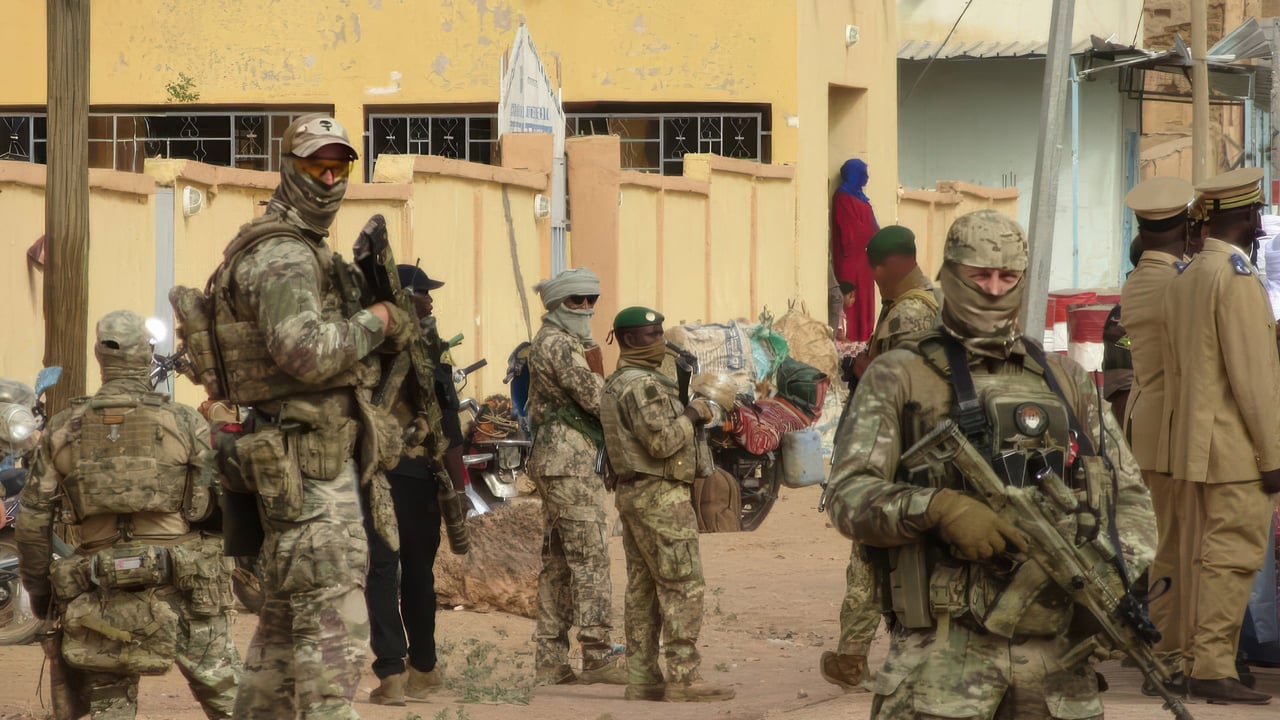
Amid the shifting sands of West Africa’s security landscape, Bamako has turned to Moscow for support. Following the dissolution of the controversial Wagner Group, Malian authorities now rely on the Africa Corps, a Russian-backed military unit, to combat jihadist insurgencies. Yet this alliance comes with a staggering financial burden—nearly one billion dollars—while delivering limited gains in the fight against terrorism.
From Wagner to Africa Corps: a strategic pivot
Once the Wagner Group dominated Mali’s security cooperation, its sudden absence left a void. In its place, the Africa Corps emerged as Bamako’s new partner, inheriting both challenges and controversies. Unlike Wagner’s shadowy operations, Africa Corps operates under a more formal structure, yet questions persist about its effectiveness and long-term impact on Mali’s stability.
Infrastructure in the spotlight: a Russian footprint in Bamako
The construction of a modest Russian Orthodox chapel within a military base in Bamako serves as a symbolic marker of Moscow’s expanding influence. Built from basic materials like tiles and corrugated metal by Africa Corps soldiers, this structure reflects their growing presence. While seemingly insignificant, it underscores the depth of Russian engagement in Mali’s security apparatus.
Economic strain: the true cost of outsourcing security
Financial records reveal that Mali’s military partnership with Russia has already drained nearly $1 billion from state coffers. This sum covers troop deployments, equipment, and logistical support. Yet, despite these expenditures, the jihadist threat remains largely unchecked, raising concerns about the value of this investment.
Analysts argue that the funds could have been allocated to bolster local counterterrorism efforts, training, and community resilience programs. Instead, they are funneled into foreign military assistance, leaving many to question the sustainability of Mali’s chosen path.
Security in flux: limited progress, persistent risks
The Africa Corps has not delivered the decisive turnaround Mali desperately needs. Insurgent groups continue to exploit vulnerabilities, particularly in northern regions. While Russian forces have provided some tactical support, their presence has not translated into a significant reduction in violence or improved security for civilians.
Critics point to the lack of transparency surrounding these operations, including the opacity of contracts and the absence of clear benchmarks for success. Without measurable progress, the alliance risks becoming a costly liability rather than a solution.
Geopolitical implications for West Africa
Mali’s pivot toward Russia reflects broader shifts in the region’s alliances. As traditional partners like France and the United Nations reassess their engagements, Bamako’s embrace of Moscow signals a strategic realignment. However, this move also risks isolating Mali further within the international community, complicating efforts to secure humanitarian aid and development assistance.
The Africa Corps’ arrival in Mali highlights the Kremlin’s growing footprint in Africa, where it seeks to counter Western influence. Yet, as the financial and security costs mount, questions linger about the long-term viability of this strategy.