
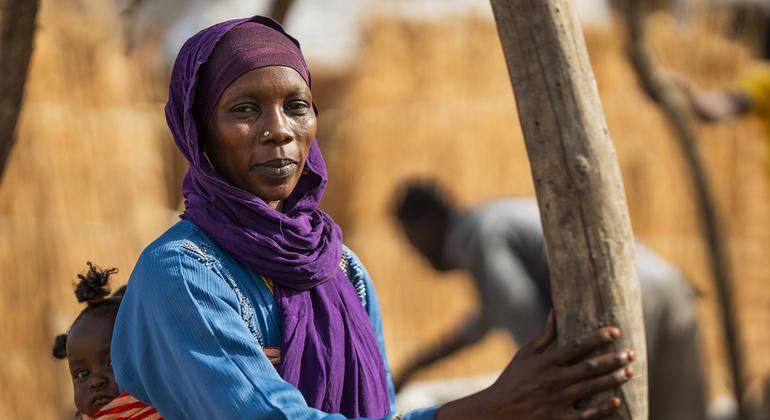
Chad faces challenges while sheltering sudanese refugees
The Republic of Chad stands as a beacon of hospitality in the heart of Africa, offering refuge to nearly 900,000 Sudanese fleeing the brutal conflict that erupted in April 2023. While the nation’s compassionate stance has drawn global praise, it faces immense pressure as one of the world’s most vulnerable countries, struggling to meet the needs of over four million people in urgent need of assistance.
According to the United Nations, the war in Sudan has displaced more than 14 million people, with Chad bearing a disproportionate burden. The country now hosts the highest number of refugees per capita in Central Africa, a testament to its commitment to solidarity but also highlighting the strain on its already fragile resources.
Chad’s humanitarian crisis is multifaceted, driven by a combination of internal and external challenges. With over 42% of its population living below the poverty line, the nation ranks among the poorest in the world. The arrival of more than 1.5 million refugees—mostly women and children—has stretched limited infrastructure, healthcare, and food supplies to their limits.
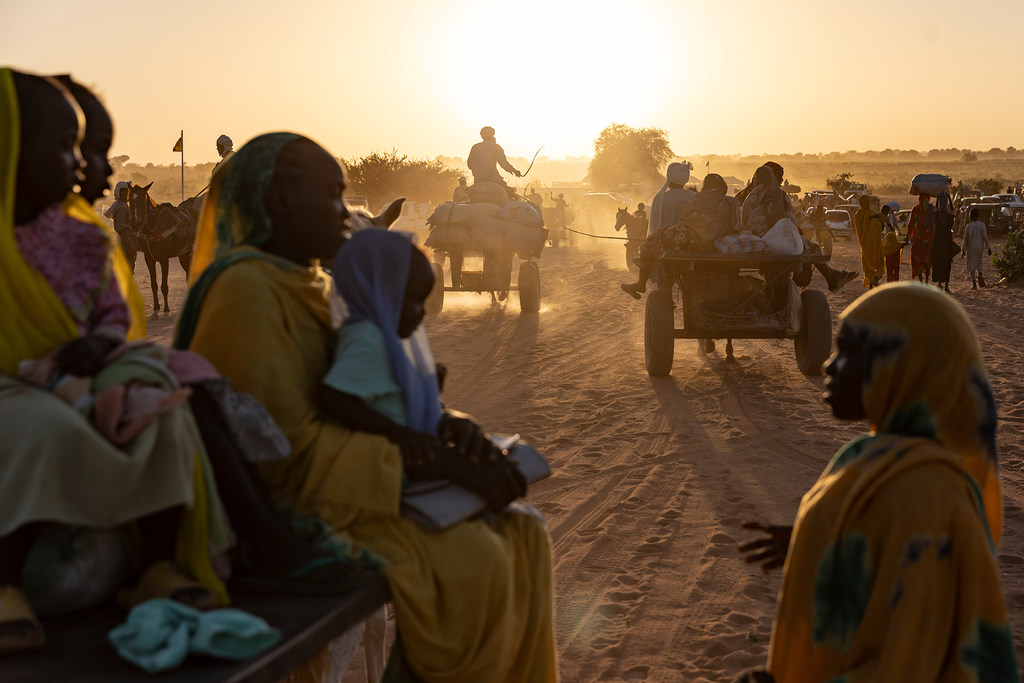
climate change and food insecurity in Chad
The name Chad originates from a local language meaning “great expanse of water,” a nod to the once-vast Lake Chad. However, climate change has shrunk the lake dramatically, intensifying droughts and flooding. In 2024 alone, devastating floods destroyed over 432,000 hectares of crops—equivalent to 600,000 football fields—affecting nearly two million people. These disasters have exposed critical gaps in water and sanitation systems, leading to cholera outbreaks and worsening food insecurity.
Projections indicate that between October 2025 and September 2026, an estimated two million children aged six to 59 months in Chad will suffer or face acute malnutrition, with nearly 484,000 at risk of severe acute malnutrition, according to the Integrated Food Security Phase Classification (IPC). The situation is exacerbated by rapid population growth and limited access to arable land.
escalating security threats in eastern Chad
The country’s eastern border, where most refugees arrive, remains a hotspot for insecurity. Violent extremist groups like Boko Haram and its affiliates continue to destabilize the Lake Chad basin, displacing an additional 250,000 people. In the north, illegal charcoal trade and human trafficking fuel gender-based violence and child labor, compounding the humanitarian toll.
With women and children making up 87% of the refugee population in Chad, these security concerns disproportionately affect the most vulnerable. The strain on local communities and resources has created a complex web of challenges that demand urgent international attention.
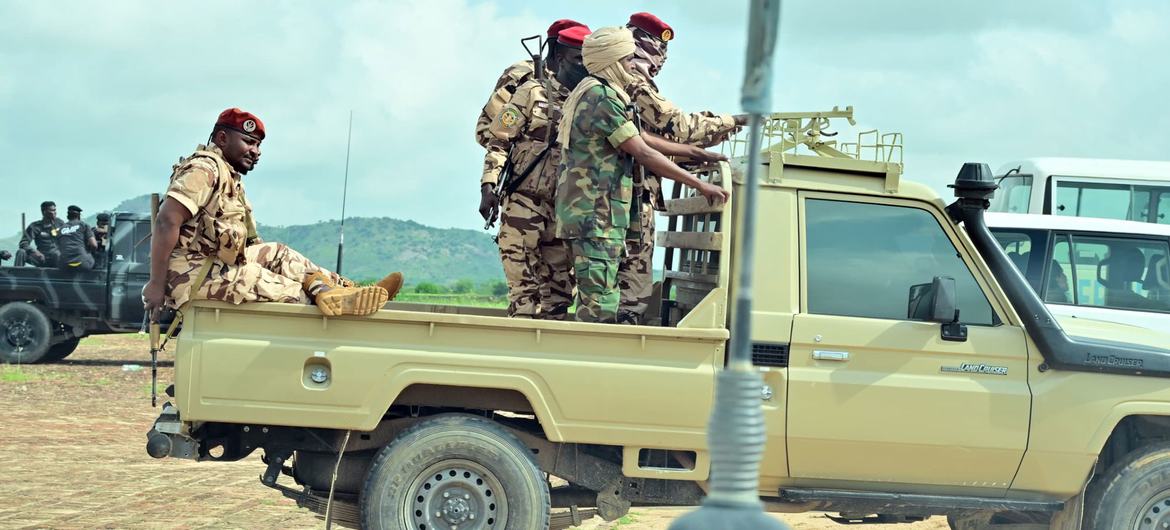
international response and future outlook
Since the start of the conflict, the Chadian government and the UNHCR have successfully relocated 67% of Sudanese refugees to newly established camps and host communities. These areas now provide essential services, including shelter, healthcare, and education, benefiting both refugees and local populations.
The United Nations and its partners continue to scale up humanitarian efforts in Chad, as outlined in the 2026 Humanitarian Action Plan. Though the number of people in need has decreased by 42% compared to previous years, nearly 3.4 million individuals still require assistance. The plan allocates $986 million, with $540 million dedicated to refugee support. Priorities include the eastern regions, Lac Province, and southern areas hardest hit by crises.
On February 19, the United Nations Security Council will convene to address the ongoing crisis in Sudan, focusing on ending hostilities and alleviating suffering, particularly the widespread violence against women and girls. Meanwhile, stories of resilience, like that of Radwa Abdelkarim, a 37-year-old mother of six, highlight the human impact of these efforts.
After fleeing Sudan in June 2023, Ms. Abdelkarim used a small business grant from the UNHCR to start baking bread in the Farchana refugee camp. Her venture grew into two grocery stores and a restaurant, providing livelihoods for 12 other refugees. “I support fellow refugee women so we can progress together,” she said. “Solidarity is key to rebuilding our lives.”