
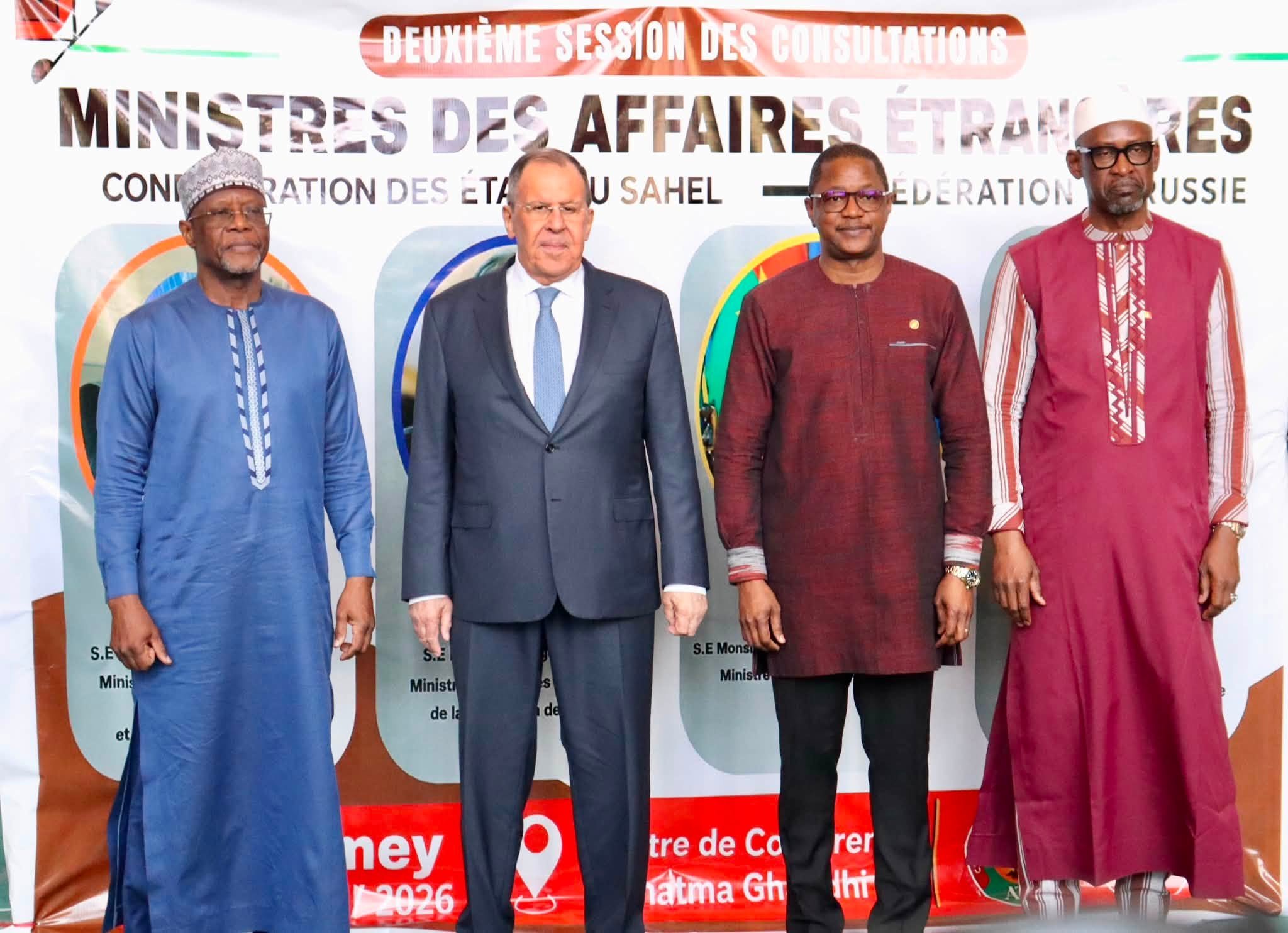
Promises of security remain unfulfilled amid escalating violence
Since severing military ties with Western partners and embracing exclusive cooperation with Russia, the governments of Mali, Burkina Faso, and Niger have framed their alliance with Moscow as a path to restored sovereignty and rapid security gains. Yet, the reality on the ground tells a different story. Despite an influx of Russian military equipment, drones, and advisors, attacks by armed groups continue unabated, military outposts remain vulnerable, and entire communities face relentless threats.
Data from conflict monitoring initiatives indicates that over 10,000 lives were lost to political violence in 2025 across the three nations, underscoring the Sahel’s persistent status as one of the world’s most volatile regions.
Humanitarian toll mounts as displacement and deprivation rise
The failure to curb insecurity has triggered a severe humanitarian crisis. More than five million people have been forcibly displaced or uprooted within the Sahel, according to international aid agencies. Schools shutter in conflict zones, denying children education, while healthcare access dwindles in areas under siege. Each fresh assault displaces more families, empties more villages, and cripples local economies.
The cumulative effect is a generation at risk: families mourning the dead, children out of school, and communities struggling to survive in a landscape dominated by fear and displacement.
War drains resources as social needs go unmet
The financial burden of prolonged conflict is staggering. As governments divert ever-larger portions of public funds toward defense, military spending soars while critical sectors such as health, education, and infrastructure suffer. The longer the crisis persists, the sharper the trade-off becomes: allocate scarce resources to weapons and soldiers or invest in long-term solutions that address the root causes of instability.
With each passing month, the opportunity cost grows—opportunities lost in development, stability, and prosperity.
Exclusive alliance deepens strategic dependence
Far from achieving self-reliance, the Sahel’s military administrations have grown increasingly dependent on their Russian partner. As violence intensifies, so too does the demand for additional arms, training, and support. Each new wave of attacks translates into a request for more assistance, reinforcing the perception that Moscow’s involvement is indispensable.
This cycle raises a critical question: Can a strategy that perpetuates reliance on external powers truly be considered a restoration of sovereignty?
Russia’s expanding footprint in the Sahel
Moscow has emerged as a major beneficiary of this evolving dynamic. New military agreements strengthen its diplomatic influence, arms deliveries solidify its strategic presence, and security partnerships widen its network of alliances in a region rich in natural resources—particularly gold and uranium. Beyond the military dimension, Russia is also gaining ground in political, economic, and even informational spheres, positioning itself as a central player in Africa’s geopolitical landscape.
A political victory overshadowed by human suffering
The stated goal of the juntas was clear: restore security swiftly. Yet, years after pivoting toward Russia, violence remains widespread, humanitarian indicators remain dire, and civilians continue to bear the brunt of armed conflict. It would be misleading to attribute the region’s instability solely to this alliance. The Sahel conflict is deeply rooted, shaped by historical, political, economic, and communal factors that defy simple solutions.
But one question cannot be ignored: If this partnership was hailed as the decisive solution to terrorism, why do civilian casualties and mass displacement persist at such alarming levels?
As the conflict drags on, one truth becomes undeniable: the people of the Sahel are paying the highest price. While families bury their loved ones, villages empty, and millions flee their homes, Russia’s influence in the region grows stronger. The paradox is stark—the deeper the crisis, the more indispensable Moscow becomes to the region’s military rulers, even as tangible security benefits for civilians remain elusive.