
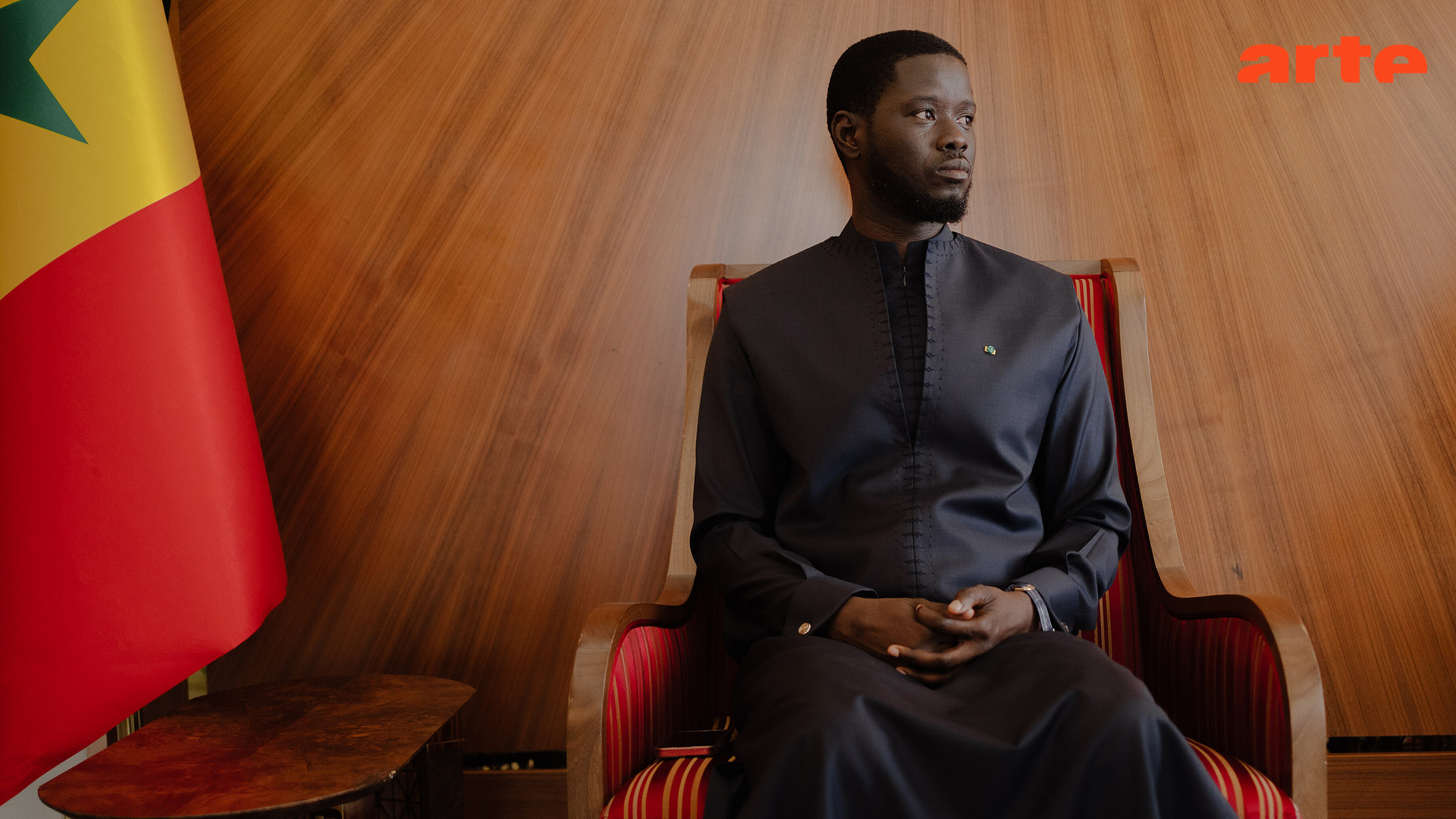
Senegal facing deep political and social turmoil
Dakar — The nation of Senegal is grappling with an unprecedented wave of political and social upheaval. Tensions have escalated dramatically in recent weeks, raising concerns about the country’s stability and future trajectory.
a leadership shake-up stirs controversy
On May 22, President Bassirou Diomaye Faye took the bold step of dismissing his long-time ally and former prime minister, Ousmane Sonko. This decision has sent shockwaves through the political landscape, as Sonko was not only a key figure in Faye’s administration but also a prominent leader within the opposition. The move came just days before Sonko was elected as the Speaker of the National Assembly on May 26, further intensifying the political drama.
new legislation fuels debate on human rights
In a separate development in March 2026, Senegal enacted a controversial law that significantly toughens penalties for homosexuality. The legislation has sparked intense debate both domestically and internationally, with critics arguing it infringes on fundamental human rights and supporters claiming it aligns with traditional values. This law has added another layer of complexity to the already volatile social climate in the country.
analyzing the roots of instability
The current crisis is not an isolated incident but the result of deeper, long-standing issues. Political analysts point to several factors contributing to the unrest:
- power struggles: The abrupt dismissal of Sonko highlights the fragility of alliances within the government and underscores the intense competition for influence in Senegal’s political arena.
- social tensions: The new law on homosexuality has exposed sharp divisions in society, with protests and counter-protests erupting across major cities.
- economic strain: Rising unemployment and inflation have exacerbated public frustration, creating fertile ground for discontent.
what lies ahead for Senegal?
The coming months will be critical for Senegal. The political elite must navigate these challenges carefully to avoid further destabilization. Meanwhile, civil society groups are mobilizing to challenge the new law, setting the stage for potential legal and social battles. Observers are closely watching whether the government can restore calm or if the situation will spiral into deeper chaos.
The crisis in Senegal serves as a stark reminder of the delicate balance between progress and tradition, and the high stakes involved in shaping the nation’s future.