
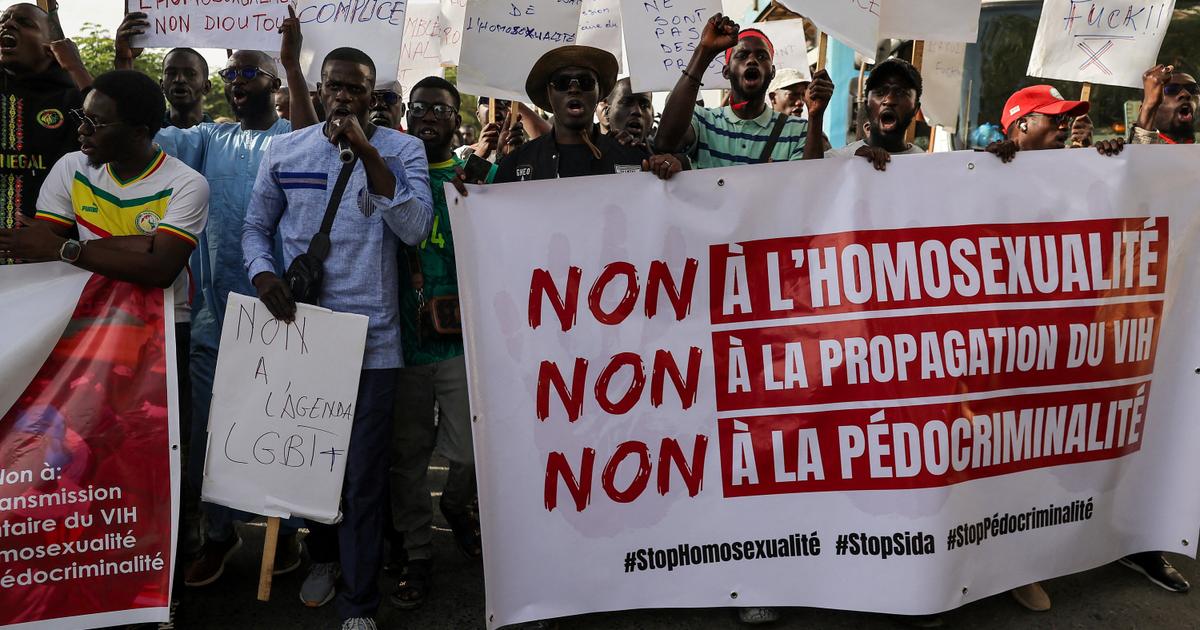
“You have to know how to protect yourself.” These words, shared in a bustling Dakar street, capture the daily reality for many in Senegal, where state-sponsored homophobia forces individuals to navigate life under constant threat. What appears ordinary—a quick phone call, a greeting to acquaintances—is often a carefully calculated act of survival.
In a quiet apartment in the capital, M. speaks softly, glancing warily at the door. “Here, you always have to be careful,” they admit. Their story is far from unique. In a country where homosexuality remains deeply stigmatized, living authentically is a luxury few can afford. The recent passage of a law criminalizing same-sex relations—punishable by five to ten years in prison—has only deepened the climate of fear. Since its adoption, reports indicate a surge in daily arrests, with at least one foreign national among those detained under charges including “unnatural acts,” money laundering, and even attempted HIV transmission.
Resistance in Senegal rarely takes the form of public protests or bold declarations. Instead, it unfolds in quiet, almost invisible ways. K., another resident of Dakar, has mastered the art of reading between the lines—silences, glances, and veiled remarks. “You learn quickly what you can and cannot say.” For many, this means compartmentalizing life: one existence at home, another in public. The psychological toll is real, but so is the determination to endure.