
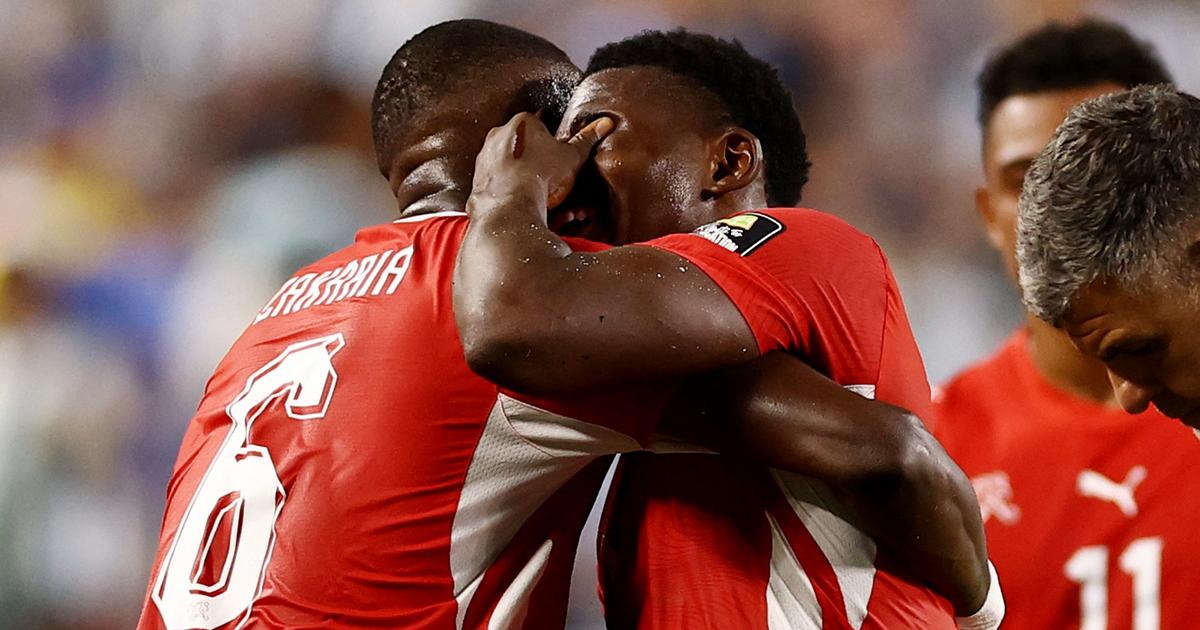
The Swiss national team faced a heartbreaking defeat in the 2026 World Cup quarterfinals, succumbing 3-1 to Argentina in extra time after a fiercely contested match.
From the kickoff in Kansas City, Switzerland demonstrated resilience and determination, but ultimately fell victim to a combination of Argentine brilliance and controversial officiating. Despite starting with ten men following Breel Embolo’s red card in the 72nd minute, the Swiss fought valiantly, earning a deserved equalizer through Dan Ndoye (67′) after a brilliant team move involving Xhaka and Rodriguez. The euphoria was short-lived, however, as VAR scrutiny led to Embolo’s second yellow card and subsequent dismissal, leaving Switzerland to battle on with only ten players.
Switzerland’s dominant display
For much of the first half, Switzerland controlled the tempo, creating several scoring chances despite limited conversion. A well-worked goal by Messi (10′) put Argentina ahead early, but Switzerland’s midfield dominance began to pay dividends as the game progressed. Embolo twice tested Martinez’s reflexes (60′, 65′), while Xhaka nearly doubled the Swiss tally with a drilled effort (66′). Ndoye’s equalizer (67′) showcased Switzerland’s attacking prowess and tactical discipline, momentarily silencing the Argentine crowd.
The turning point
The red card for Embolo, awarded after VAR review for simulation, shattered Switzerland’s momentum. The decision—controversial to many—left the team shorthanded and emotionally drained. Despite regrouping into a defensive 5-3-1 formation, Switzerland held firm for 30 minutes in extra time, with Kobel making crucial saves, including denying Messi late in regulation (90’+2). However, Alvarez’s clinical finish (112′) and Martinez’s late strike (120’+1) sealed the Swiss fate.
A tournament to remember
Though eliminated, Switzerland’s World Cup campaign was historic. Reaching the quarterfinals, including victories in two knockout matches, marked their best-ever World Cup performance. The team’s attacking football and tactical maturity earned widespread praise, setting a new benchmark for Swiss football. The challenge now is to build on this success and maintain their place among the world’s elite.