
Tchad inches closer to single-party rule amid opposition crackdown
The Tchadian authorities have taken another decisive step toward silencing dissent, with eight opposition leaders sentenced to eight years in prison for allegedly plotting a protest against governance failures. Their coalition, the Groupe de concertation des acteurs politiques (GCAP), had planned a demonstration on May 2, but the crackdown began weeks earlier with their arrest.
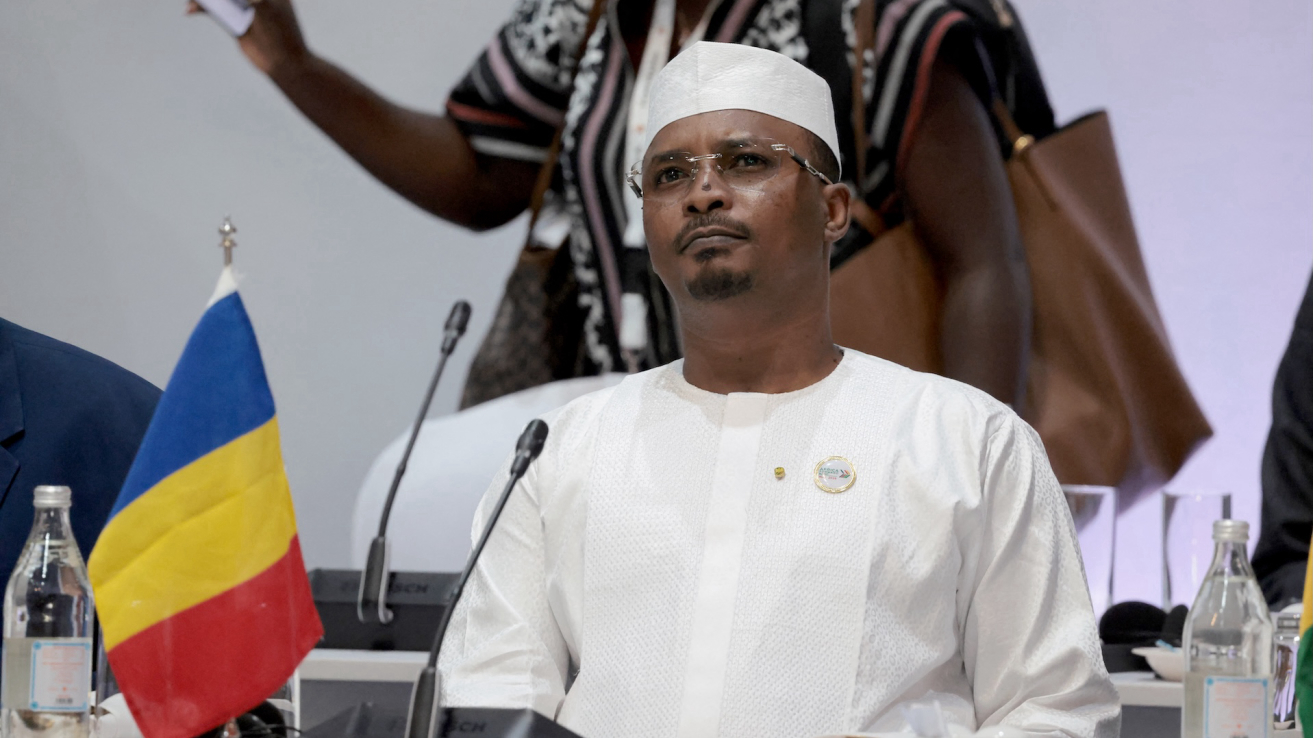
Just one day before the verdict, the Supreme Court dissolved the GCAP, the country’s largest opposition coalition. This move follows the August 2025 conviction of Succès Masra, leader of the Transformers party, who received a 20-year prison sentence on charges of “inciting hatred.” With these actions, the ruling Mouvement patriotique du salut (MPS)—led by President Mahamat Idriss Déby—has effectively eliminated credible opposition, raising concerns about a return to authoritarian rule.
Judicial repression replaces political dialogue
The GCAP leaders were convicted of charges including association of wrongdoers, insurrectionary movement, rebellion, and illegal possession of firearms. Their legal team strongly denies these accusations, calling the trial a sham and condemning the lack of proper evidence. The swift verdict, delivered after a rushed process, has drawn sharp criticism from human rights advocates and civil society groups.
Since 2018, public protests have been banned, and those that do occur are met with excessive force. A particularly violent crackdown in October 2022 left around 200 demonstrators dead, with numerous injuries and arrests. The judicial system is increasingly being used as a tool to suppress opposition, with detainees held without clear charges.
From political transition to democratic regression
The crackdown on opposition voices marks a stark reversal from the promises of the 2021 political transition, which followed the death of former President Idriss Déby Itno. At the time, hopes were high for a return to constitutional order and democratic freedoms. However, recent constitutional amendments—such as extending presidential terms to seven years—suggest a deliberate effort to consolidate power.
Tchad’s history is scarred by cycles of coups and violent conflicts, dating back to its independence in 1964. Past regimes under François Tombalbaye and Hissène Habré ruled as de facto single-party states, suppressing dissent and manipulating elections. President Déby’s own rule (1990–2021) saw repeated constitutional changes to remove term limits, further entrenching authoritarianism.
Escalating repression fuels instability
Violence against opposition figures is no longer confined to legal persecution. In April 2025, armed assailants attacked a gathering of Transformers party members, killing one person, seriously injuring two others, and abducting and torturing a senior official. While the government pledged to investigate, such incidents have become disturbingly routine.
The shrinking civic space and suppression of dissent risk radicalizing a generation of youths. Excessive use of force by security forces, including lethal measures in non-threatening situations, only deepens public frustration. Analysts warn that if unchecked, this trajectory could plunge Tchad back into the instability that has plagued it for decades.
Regional actors urged to intervene
With domestic checks on power eroding, the role of regional and international bodies becomes critical. The African Union, Economic Community of Central African States (ECCAS), and United Nations—which supported Tchad’s transition—must renew calls for dialogue and accountability. The international community’s engagement, however, has so far yielded little change in government behavior.
For Tchad to break its cycle of repression and instability, urgent reforms are needed. This includes revising the legal framework for protests, ensuring judicial independence, and fostering inclusive political dialogue. Without these steps, the country risks reverting to the darkest chapters of its past—a single-party state where dissent is crushed and democracy remains an illusion.