
The 2016 Zouhoura case remains a haunting memory in Chad. A high school student was not only the victim of a brutal kidnapping and gang rape, but she also had to witness her attackers circulating the footage of the assault across social media platforms. A decade later, this form of digital violence continues to target women throughout the country, evolving into a widespread social crisis.
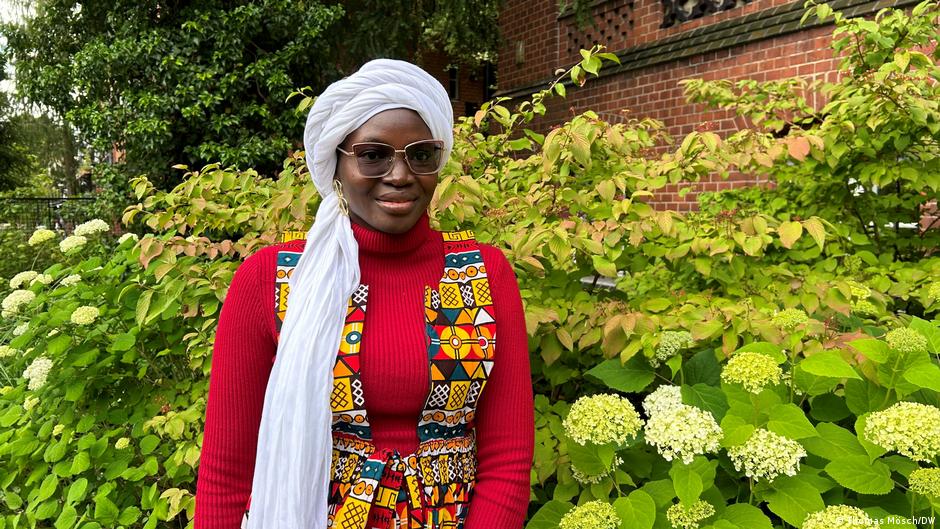
In the digital landscape of Chad, the act of sharing a simple image or video can often trigger a wave of online abuse. Human rights defenders are particularly exposed to these threats. Epiphanie Dionrang, who serves as the President of the Chadian League for Women’s Rights, has become a frequent target of digital backlash due to her advocacy. She highlights the harsh reality of these online attacks and the urgent need for effective countermeasures.
The psychological toll of digital violence
Cyber-harassment in Chad takes many forms, including sexist insults, hate speech, and direct intimidation. For women like Epiphanie Dionrang, the abuse often follows public stances on human rights issues. This harassment frequently escalates into threatening phone calls and coordinated campaigns of humiliation.
The consequences for the victims are deeply damaging. The psychological impact includes debilitating levels of stress, anxiety, and a constant state of fear. Victims often experience depression, a significant loss of self-esteem, and social withdrawal. In many cases, harassers weaponize private information to cause maximum public shame. This environment of digital terror leads to sleep disorders and, in the most severe instances, suicidal ideation. Consequently, many women are forced into self-censorship, reducing their presence in public and digital life to protect themselves.
A legal vacuum and institutional failures
Identifying those responsible for online abuse is notoriously difficult. Perpetrators often use anonymous profiles, though some are known individuals or former acquaintances who oppose the victim’s views. To combat this, it is essential for victims to meticulously document the abuse by saving screenshots of messages, profiles, and comments, along with dates and platform links.
Despite these efforts, the justice system in Chad is often unresponsive. There is currently no comprehensive digital code or specific law addressing cyber-crimes. While a national agency for computer security and a cybercrime unit exist, their impact is limited. These institutions focus largely on sensitization in schools, which many activists argue is insufficient. Without strong prevention and repressive legal measures, victims remain hesitant to report crimes, fearing that they will receive no protection from the state.
Breaking the silence through advocacy
Filmmaker Aché Ahmat Moustapha has brought this issue to the forefront with her documentary, “Harcèlement 2.0, La résilience des Africaines connectées.” The film, which features Epiphanie Dionrang, aims to shatter the silence and encourage women to speak out against their abusers. It highlights the need for safe spaces where women can be heard and supported without fear of judgment.
Public reaction on social media often involves victim-blaming, ignoring the traumatic context of the harassment. This film serves as a powerful tool for advocacy, helping women in Chad, Sénégal, and across the continent to reclaim their voices. By fostering a community that believes and supports victims, the goal is to dismantle the culture of digital violence that has persisted for too long.