
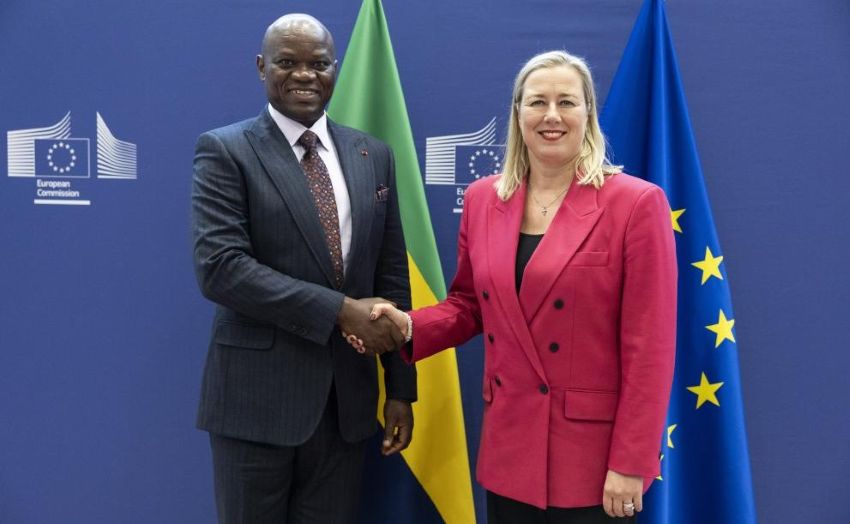
Libreville, July 1, 2026 – The decision to terminate the long-standing fishing pact with the European Union signals a major pivot in Gabon’s strategy for economic independence.
June 29, 2026, will be remembered as a defining moment for the Gabonese economy. After nearly two decades of maritime cooperation with the European Union, the authorities in Libreville have opted not to renew the partnership agreement that governed the extraction of the nation’s aquatic resources.
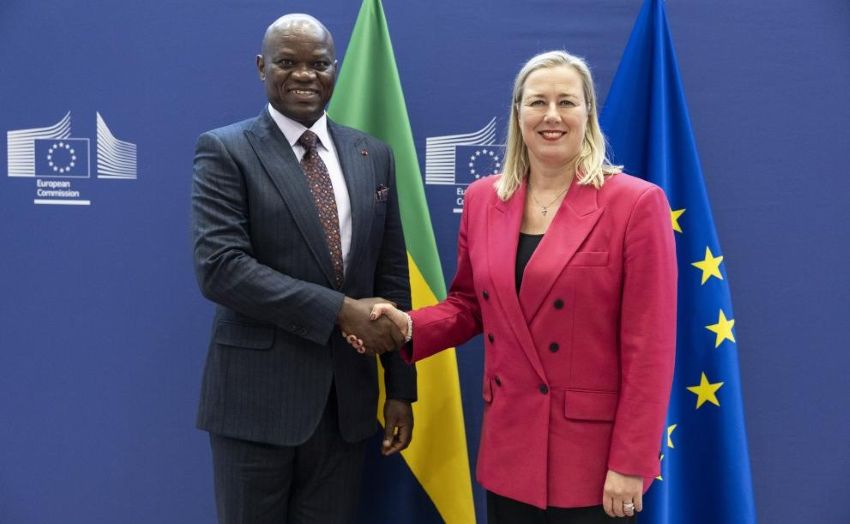
This move is far more than a simple end to a contract; it represents a calculated shift designed to place national assets at the heart of the country’s growth. By ending a framework that had been in place since 2007, the government is asserting its right to economic sovereignty, moving away from a model that prioritized the export of raw, unprocessed materials.
This new direction is a cornerstone of the vision led by President Brice Clotaire Oligui Nguema. His administration is determined to make the local processing of natural resources a primary engine for Gabon’s updated economic path.
Moving away from an imbalanced partnership
For nineteen years, the fishing treaty allowed European vessels to harvest maritime resources within Gabonese waters. While the arrangement was initially framed as a tool for mutual economic benefit, various assessments over the years have highlighted significant shortcomings.
Data suggests that the direct economic advantages for Gabon remained marginal compared to the actual wealth of its waters. A vast majority of the fish caught were shipped directly to international markets with virtually no value added through local processing. This prevented the growth of a domestic industry that could have created specialized jobs and fostered technical expertise.
In an era where many resource-rich nations are seeking greater control over their production chains, maintaining the previous arrangement was seen as increasingly incompatible with Gabon’s national goals. This shift also mirrors a broader trend across Africa, where governments are re-evaluating international ties to ensure a fairer distribution of wealth from their strategic assets.
Transforming the fishing sector into an economic engine
The expiration of the agreement clears the way for a fresh approach to managing the nation’s waters. The government’s objective is to transform the fishing sector into a powerful catalyst for economic diversification.
This strategy focuses on several key pillars:
- Local Processing: Establishing facilities to ensure seafood is processed within Gabon before reaching the market.
- Food Security: Enhancing the supply of fish to the domestic market to feed the population.
- Industrial Growth: Encouraging the rise of a national industrial base capable of competing with international players.
Furthermore, this policy shift is expected to attract private investment in cold storage, maritime logistics, and food technology. With a coastline stretching over 800 kilometers and some of the richest fish stocks in the region, Gabon is well-positioned to build a thriving and sustainable “blue economy.”
A new era of economic sovereignty
The conclusion of the deal with the European Union is a symbolic step that reaches beyond the fishing industry. It highlights a modern philosophy of development centered on the national management of strategic resources.
The next phase involves turning this political will into tangible progress. Success will depend on the ability to modernize infrastructure, train a skilled workforce, and implement transparent governance within the sector. By choosing to prioritize domestic transformation over the bulk export of its maritime wealth, Gabon is sending a clear message to the world.
The nation is now focused on the belief that true prosperity comes not just from what is extracted, but from the ability to refine, value, and control those resources for the long-term benefit of its people.