
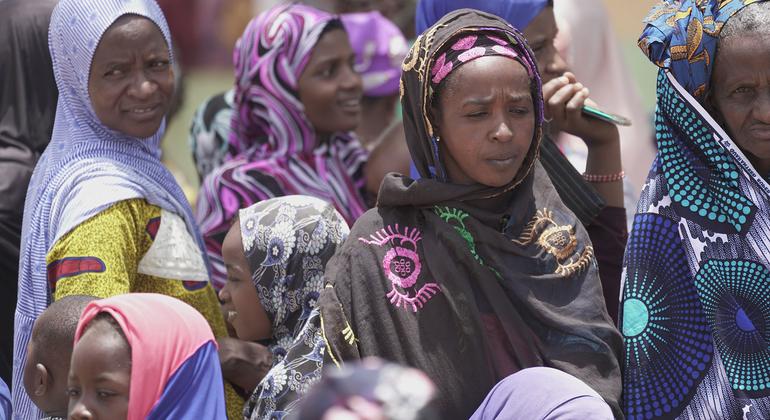
The United Nations Committee on the Elimination of Racial Discrimination has raised alarm over escalating human rights abuses targeting the Fulani community in Burkina Faso. According to independent investigators, these violations—including extrajudicial killings, torture, arbitrary detentions, forced disappearances, and kidnappings—have surged amid ongoing military and security operations against jihadist groups in the Sahel region, exposing a troubling climate of repression and targeted violence.
Systematic abuses and ethnic profiling
The UN committee’s findings highlight that these atrocities are often perpetrated not only by national armed forces and internal security agents but also by allied groups such as the Volunteers for the Defense of the Homeland (VDP) and non-state armed factions. A particularly disturbing trend is the use of ethnic profiling against Fulani populations by defense forces, the VDP, and members of the Civic Brigade for Order and Discipline (Brigade Laabal).
The committee’s report underscores that many of these human rights violations are directly linked to unfounded allegations of Fulani individuals being associated with terrorist factions. This stigmatization has fostered a dangerous environment of hatred, fueling discriminatory rhetoric and inflammatory calls for violence—particularly on social media. The committee cited multiple instances where online platforms were used to incite crimes, including murder, against Fulani people, exacerbating ethnic tensions and hate-driven attacks.
Urgent calls for accountability and reform
In response, the UN body has demanded that Burkina Faso’s authorities launch immediate, thorough, and impartial investigations into all reported abuses involving state security forces and their affiliates. It has emphasized the need for legal consequences for those responsible, ensuring justice is served through fair trials and appropriate sanctions.
Beyond punitive measures, the committee stressed the necessity of legislative and preventive actions to eliminate ethnic and racial discrimination. It urged Ouagadougou to explicitly criminalize racial and ethnic profiling in national law, aligning its statutes with international human rights standards. Additionally, the committee called for the implementation of stringent operational guidelines to prevent profiling during identity checks, crowd control, and military operations.
Burkina Faso disputes the allegations
The UN committee’s findings come as Burkina Faso’s government vehemently rejects the accusations, insisting that its security operations adhere strictly to national and international human rights laws. According to Sabine Bakyono Kanzie, Burkina Faso’s Permanent Representative to the UN in Geneva, counter-terrorism efforts are not directed at any specific ethnic group but are conducted with full respect for human rights and legal frameworks.
The government pointed to existing complaint mechanisms, community policing initiatives, and training programs for defense and security forces as evidence of its commitment to preventing discrimination. Officials also highlighted the diversity within Burkina Faso’s leadership and security apparatus, including representation from the Fulani community, as proof of its inclusive approach.
However, critics argue that these measures have yet to translate into concrete protection for Fulani civilians, who continue to face disproportionate violence and marginalization in conflict-affected areas.