
Understanding Africa Corps: Russia’s shadowy force reshaping Africa’s security landscape
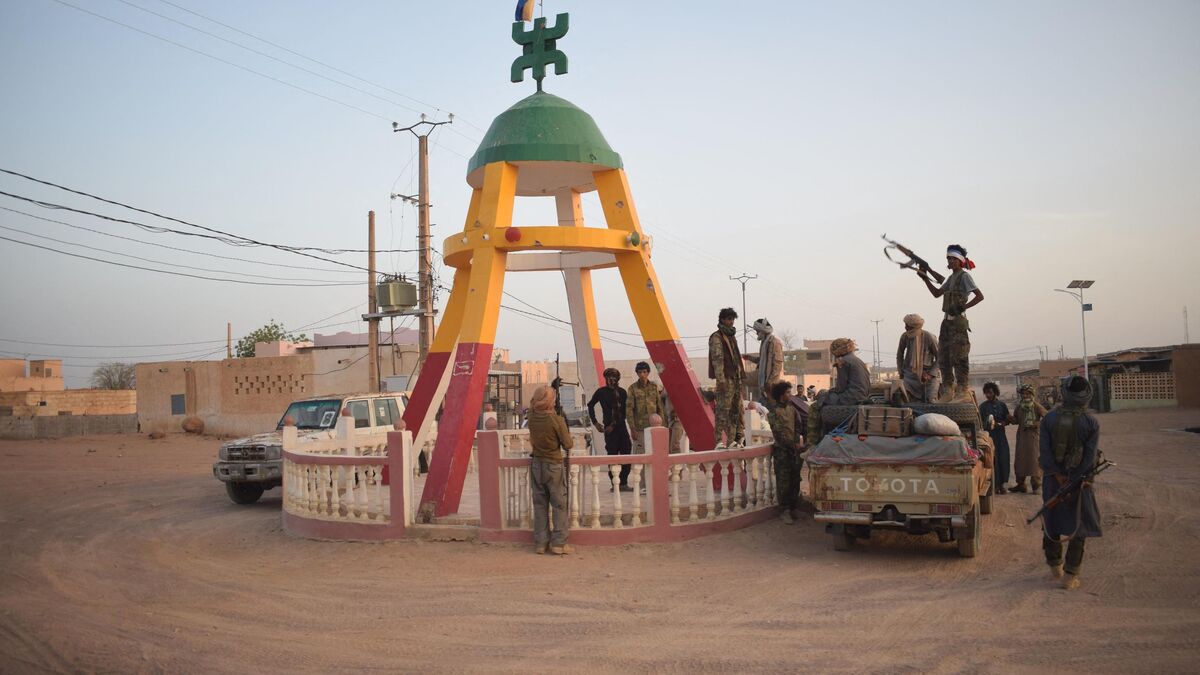
A recently formed Russian paramilitary unit, Africa Corps, has been making headlines across the Sahel region after losing control of Kidal, a key stronghold in eastern Mali. Despite this setback, the group remains a vital instrument of Moscow’s strategy in West Africa, particularly in countries like the Burkina Faso, Niger, and the Central African Republic.
From Wagner to Africa Corps: a shift in Russian military strategy
The rise of Africa Corps marks a significant evolution in how Russia projects power in Africa. Officially launched in late 2023, this highly secretive force was announced via Telegram by military blogger Deux Majors, citing remarks from Igor Korotchenko, a former Russian colonel and Kremlin-affiliated journalist. The group is reportedly overseen by Yunous-bek Evkurov, Russia’s Deputy Minister of Defense.
Its formation coincides with the decline of the Wagner Group, the infamous Russian mercenary network that had dominated Africa’s conflict zones for nearly a decade. The death of Wagner’s founders, Evgeny Prigozhin and Dmitri Utkin, in a suspicious 2023 plane crash further accelerated this transition. Prigozhin, once a close ally of Vladimir Putin, had briefly challenged Moscow’s authority before his demise.
Africa Corps: a new name with a dark historical echo
The choice of name is no coincidence. Africa Corps mirrors the infamous Afrikakorps, the Nazi Germany’s expeditionary force that operated in North Africa during World War II. This reference underscores Moscow’s intent to assert dominance in Africa while distancing itself from the controversial legacy of Wagner, which faced widespread accusations of war crimes and human rights abuses.
Strategic goals: sovereignty, resources, and regional influence
According to Igor Korotchenko, Africa Corps was established to conduct large-scale military operations across Africa, helping allied governments break free from neocolonial dependence, expel Western influence, and secure full sovereignty. Unlike Wagner, which operated with relative autonomy, Africa Corps is tightly controlled by the Kremlin, offering Moscow greater deniability while expanding its geopolitical footprint.
The group’s objectives align closely with Russia’s economic and political interests in the region. By providing military support to friendly governments, Africa Corps helps secure key resource-rich areas and critical migration routes, particularly in the Sahel.
Expanding influence across West Africa
Africa Corps has rapidly replaced Wagner in several African nations, deploying hundreds to thousands of fighters. Its presence is particularly strong in:
- Mali — where it has supported the junta since 2024, battling Tuareg rebels and maintaining Russian influence in Bamako;
- Burkina Faso — where it has strengthened ties with the military government;
- Niger — where it has expanded its footprint following recent political shifts;
- Central African Republic — a long-standing Wagner stronghold now under Africa Corps’ control;
- Libya and Sudan — where it continues to operate discreetly.
The group’s withdrawal from Kidal in late April 2026, following intense rebel pressure, highlights the challenges it faces in maintaining control. Yet, Africa Corps remains a resilient and adaptive force, shifting tactics to preserve its strategic role in the region.
Controversies and international condemnation
Despite its lower profile compared to Wagner, Africa Corps has not escaped scrutiny. In 2024, the United Kingdom imposed sanctions on the group, accusing it of systematic human rights violations and exploiting natural resources for private gain. These allegations underscore the ethical and legal dilemmas surrounding Russia’s growing military presence in Africa.
As Africa Corps continues to evolve, its actions will shape the security dynamics of the Sahel and beyond. With Moscow’s backing, it represents a new chapter in Russia’s long-term strategy to challenge Western influence and secure its strategic interests on the continent.