

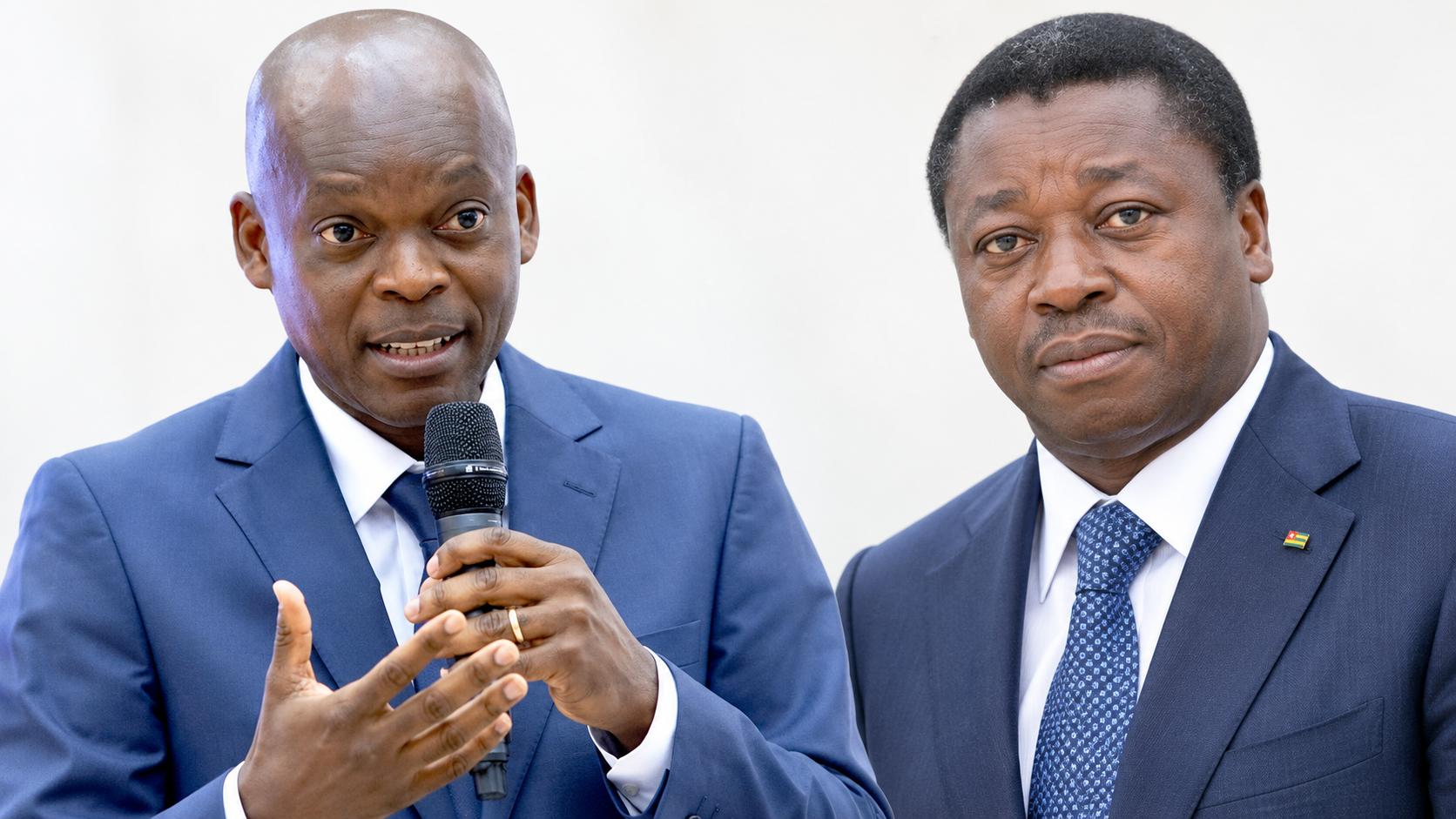
While ordinary Togolese citizens navigate a suffocating economic downturn and skyrocketing living costs, the government’s lavish international spending is sparking deep resentment. Private analyses of sovereignty budgets and foreign influence contracts reveal that Lomé poured an estimated 2 million US dollars into securing and promoting the “new map of Africa” resolution at the United Nations.
For months, the Togolese foreign ministry orchestrated a massive promotional campaign. Yet behind the self-congratulatory announcements celebrating Togo’s rising global influence, the financial ledger shows a staggering waste of public funds on a win that is almost entirely symbolic.
How the millions were spent on lobbying and luxury travel
Where exactly did this 2 million dollars go? A close look at diplomatic logistics and financial streams reveals where the state funds were directed:
- International lobbying and strategy consulting: To push the resolution onto the United Nations General Assembly agenda and win support from Western and Asian nations, Lomé hired elite influence agencies. These included public relations firms in Paris, known for working with African presidencies, and Washington D.C.-based lobbying groups registered under the Foreign Agents Registration Act (FARA) to target English-speaking policymakers. These strategic advisory contracts were paid in foreign currencies, totaling hundreds of thousands of dollars.
- Robert Dussey’s high-end diplomatic tours: Foreign Minister Robert Dussey embarked on numerous first-class trips and luxury hotel stays in Paris, New York, Geneva, and multiple African capitals. Private flights, hefty per diems, and delegation expenses made up a massive portion of the total bill.
- Lavish receptions and influence events: Official dinners, diplomatic gifts, and covering the travel expenses of international delegates during preparatory meetings added substantial secondary costs to secure favorable votes.
- Media campaigns and public relations: Funding targeted press operations in international outlets, sponsored opinion pieces, and academic symposiums tailored to legitimize the initiative.
A costly prestige project detached from local realities
Civil society organizations and economic analysts argue that squandering such vast resources is indefensible given the country’s domestic crises. This 2 million dollars investment—equivalent to over one billion CFA francs—could have delivered tangible benefits, such as buying vital medical equipment for hospitals in Kara, Dapaong, or Adetikopé, building new schools, or funding safety nets for vulnerable families.
By prioritizing vanity projects and expensive foreign consultants over the basic needs of its population, the administration highlights a widening gap between its desire for international prestige and the daily struggles of the Togolese people.