
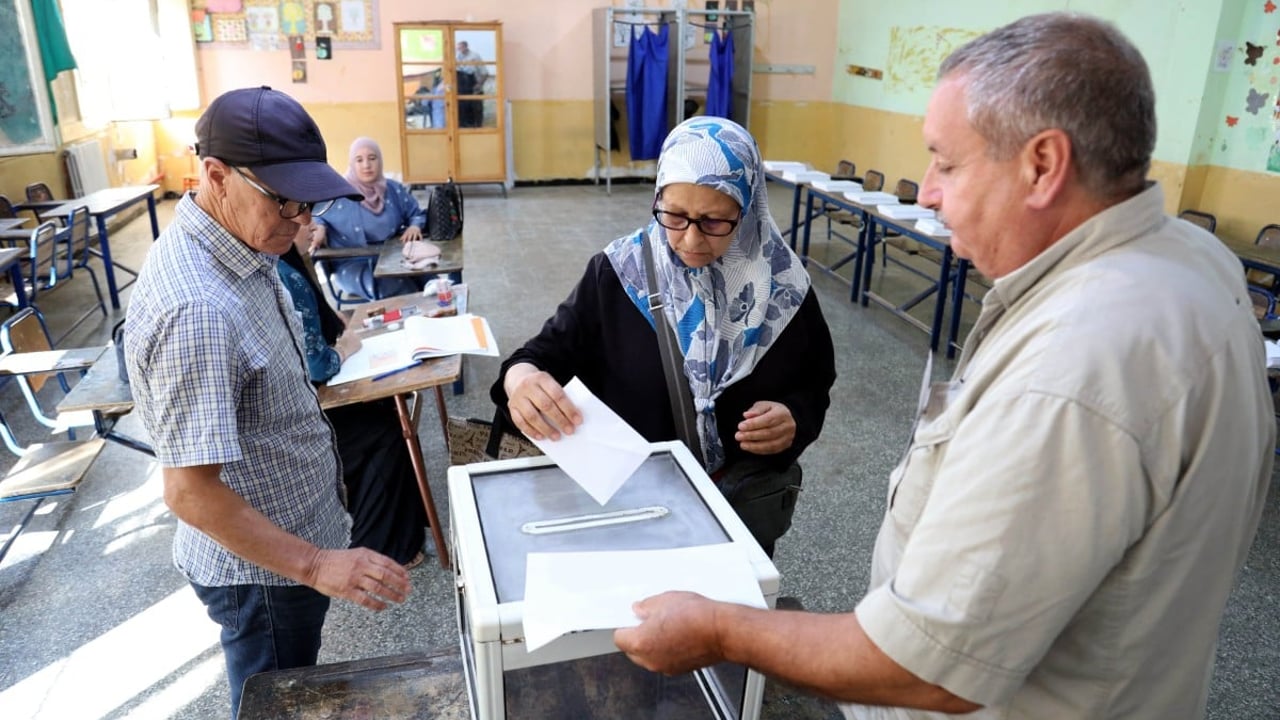
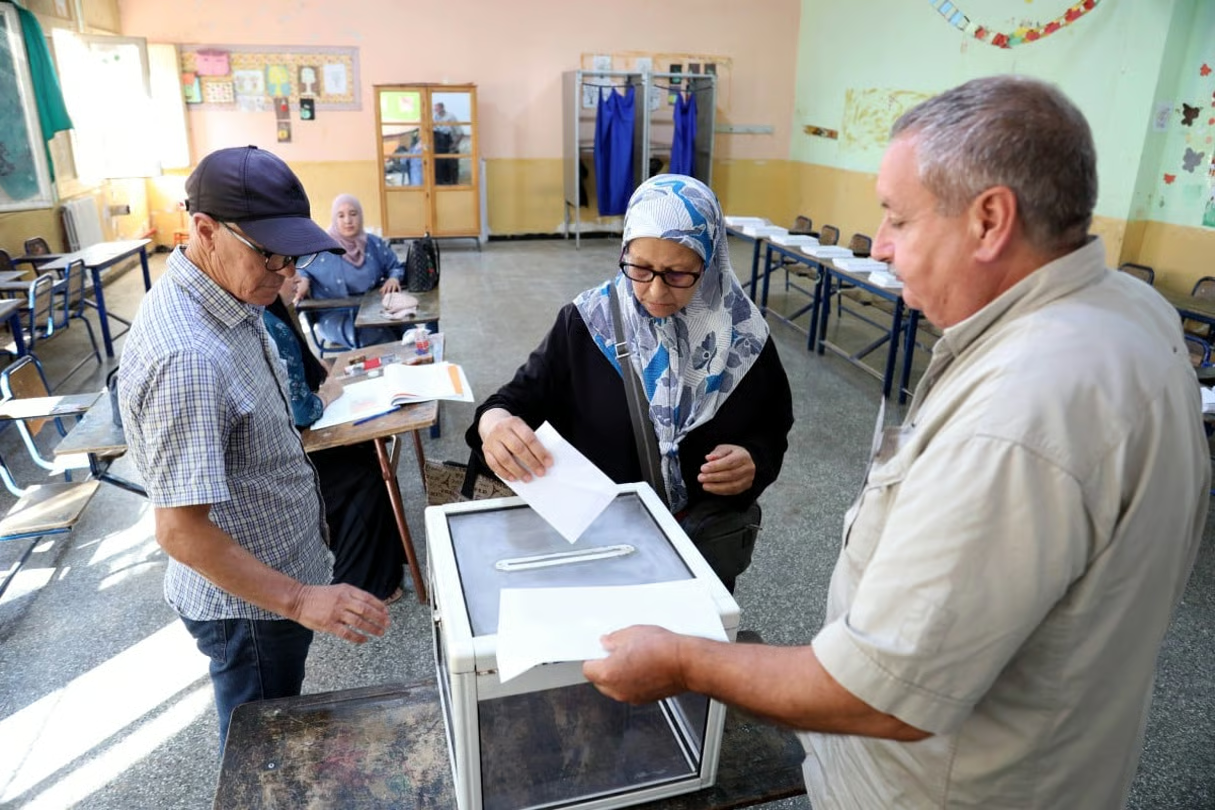
Algeria’s legislative elections held on July 2, 2026, marked a historic low in voter participation, with provisional figures showing a turnout of just 20.79%. This unprecedented drop underscores growing public disillusionment with the political process and raises questions about the legitimacy of the newly elected assembly.
key factors behind the historic abstention
Several interconnected factors contributed to the record-low turnout. Widespread voter apathy stemmed from a perception that the elections would do little to address persistent economic struggles or curb corruption. Many citizens viewed the process as a foregone conclusion, with little genuine competition among candidates.
Political disillusionment also played a significant role. Years of unmet promises and limited political reforms have eroded trust in Algeria’s electoral system. Opposition figures and independent observers highlighted the lack of transparency in candidate selection and the dominance of established parties as key deterrents.
regional disparities in participation
The turnout varied dramatically across Algeria’s regions. Urban centers like Algiers and Oran saw some of the lowest participation, reflecting urban frustration with governance. In contrast, rural areas, where state influence is stronger, reported slightly higher—but still modest—turnout rates.
- Urban turnout: Under 18% in major cities
- Rural turnout: Around 25%, though still below 2024 levels
- Youth participation: Less than 15% among voters under 35
implications for Algeria’s political landscape
The low turnout poses significant challenges for Algeria’s new parliament. With such a small fraction of eligible voters participating, the legitimacy of the elected officials is likely to be questioned both domestically and internationally. Analysts suggest this could undermine the assembly’s authority and fuel further public skepticism toward future elections.
Political observers are already speculating about the potential for renewed protests or calls for electoral reform. The weak mandate of the incoming representatives may embolden opposition groups to push for greater accountability and transparency in governance.
what’s next for Algeria’s democracy?
In the coming weeks, Algeria’s newly elected officials will face the daunting task of rebuilding public trust. Key priorities include addressing economic grievances, tackling corruption, and ensuring more inclusive political processes. However, with such a dismal turnout, the path to meaningful reform appears increasingly steep.
The elections have laid bare the deep divisions between Algeria’s government and its citizens. Whether the new parliament can bridge this gap remains an open question—one that will shape the country’s political future for years to come.