
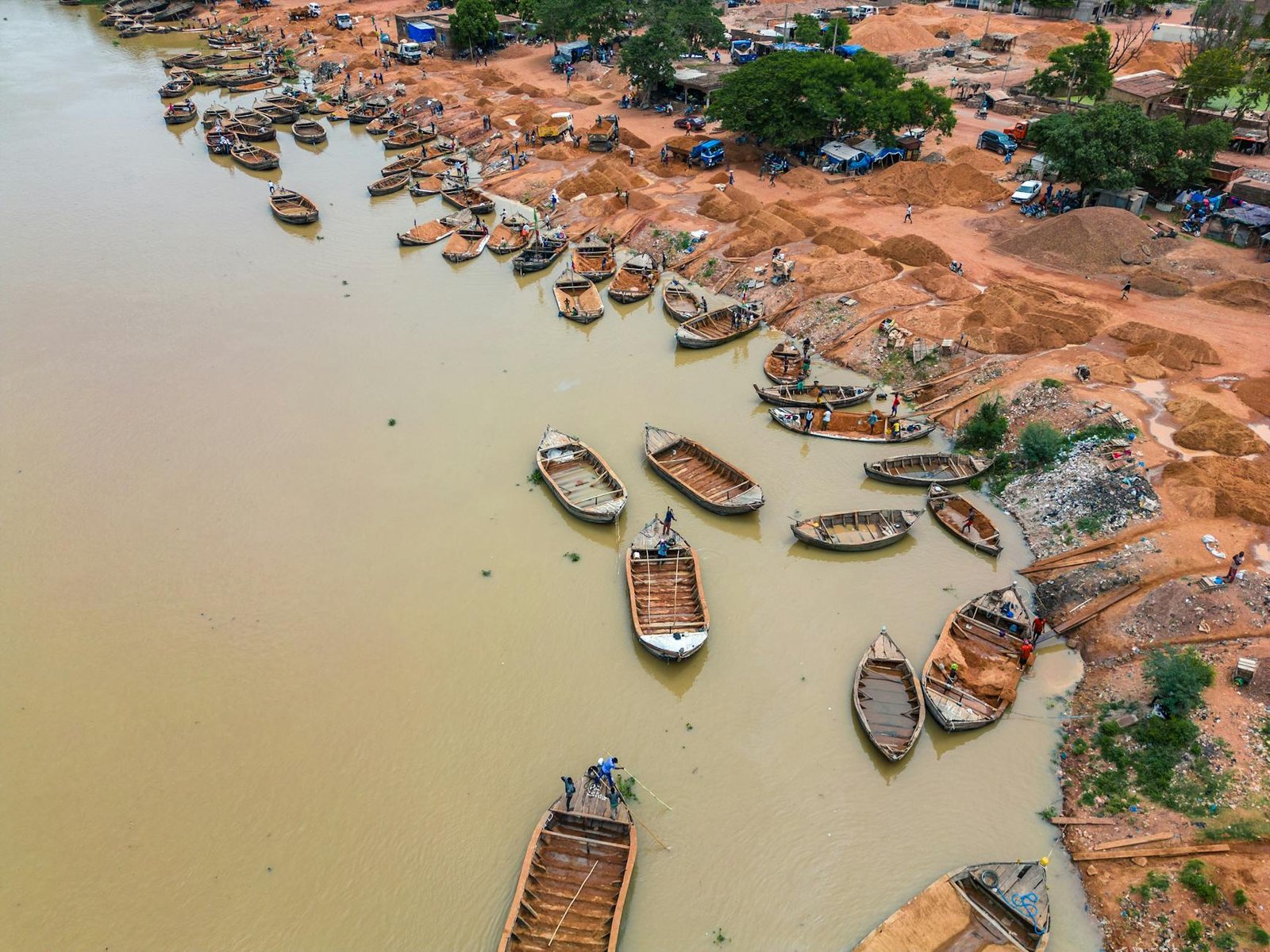
The jihadist blockade strangling Bamako since late April is turning the preparations for Tabaski 2026 into a daunting challenge for hundreds of thousands of Malian families. The Group for the Support of Islam and Muslims (JNIM), a Sahel-based katiba linked to al-Qaïda, has locked down the capital’s key supply routes, disrupting the arrival of sheep, essential food supplies, and fuel as the region approaches one of the most significant religious celebrations in the Sahelian calendar. The Aïd el-Kebir, scheduled for May 27, is unfolding this year against a backdrop of deprivation rarely seen in Bamako.
Jihadist blockade cripples supply lines into Bamako
For weeks now, JNIM fighters have systematically targeted commercial convoys traveling from Bamako’s southern and western production hubs, as well as from border areas with Côte d’Ivoire, Sénégal, and Mauritania. Dozens of trucks have been torched along the capital’s main arteries, deterring transporters and traders from risking the journey without military escort. While Malian armed forces occasionally accompany priority shipments, preventing a complete lockdown, the frequency of deliveries has plummeted.
This economic encirclement marks a tactical shift. Traditionally confined to rural strongholds in central and northern Mali, the JNIM is now redirecting its efforts toward the capital’s critical logistics networks. By disrupting the supply chain, the group directly undermines household purchasing power and the legitimacy of the transitional authorities, who struggle to uphold free movement of goods.
Sacrificial sheep: a barometer of Mali’s economic strain
The contrast in Bamako’s livestock markets is stark. Pens are half-empty as breeders from the central Sahel, Kayes, and Koulikoro regions hesitate to risk the journey. Prices have surged, pricing out an increasing number of families from the traditional ritual. Many Bamakois now rely on informal credit or pooling resources with relatives just to fulfill the observance.
The price hike isn’t limited to livestock. Staple goods—oil, sugar, and festive season condiments—have also seen steep increases. This food inflation compounds the erosion of purchasing power caused by years of regional sanctions, the gradual withdrawal of Western partners, and a budget shift toward military expenditure. Low-income households, which make up the bulk of the urban fabric, are coping by cutting back on quantities, sharing purchases, or skipping certain festive staples entirely.
Power cuts deepen the crisis
The food shortage is compounded by a chronic electricity crisis. Énergie du Mali (EDM-SA), plagued by fuel supply shortages and an aging power infrastructure, has intensified rolling blackouts. Power cuts lasting several hours—sometimes exceeding half a day—complicate meat preservation post-sacrifice, cripple small neighborhood businesses, and strain the social fabric of a celebration traditionally centered on family reunions and communal sharing.
Fuel, whose delivery relies heavily on corridors from Côte d’Ivoire and Sénégal, has seen parallel market prices skyrocket. Gas stations face long queues, and supply disruptions cascade: urban transport, deliveries, and backup generators for shops and hospitals falter. Authorities, wary of public unrest, have issued reassurances but lack quick solutions to unclog these bottlenecks.
A political test for Mali’s transition
For the leaders of Mali’s transitional government, Tabaski 2026 is a credibility test. Securing even the main import corridors has become an issue of sovereignty and social stability. Regional observers note that the JNIM’s economic asphyxiation strategy mirrors tactics deployed in neighboring Burkina Faso, where secondary cities like Djibo have endured similar blockades for months.
This year’s celebration will unfold under subdued conditions, far removed from the vibrancy of past editions. Beyond its religious symbolism, the resilience of Bamako in the face of asymmetric warfare is being tested in livestock markets and gas stations alike.