
Dakar awakes to a reshaped political landscape this morning. The appointment of a new Prime Minister and the imminent election of the National Assembly President mark a turning point in the nation’s governance. The cards have been reshuffled, and the implications are far-reaching.
a technocrat at the helm: the new prime minister takes charge
The government’s reins are now in the hands of Ahmadou Al Aminou Mohamed Lo. Once the Minister of the National Agenda for the Senegal 2050 Transformation Project, he steps into the Prime Minister’s role with a reputation as a financial strategist. Media outlets describe him as a master of both domestic and international financial circuits, a profile perfectly suited to navigate the country’s tight budget constraints while advancing its long-term ambitions.
“After Sonko the orator, Lo the technocrat at the helm,” proclaimed Seneplus, emphasizing his expertise in monetary and financial regulation, macroeconomics, and Islamic finance. His appointment signals a strategic shift, placing a seasoned economist at the heart of the executive branch to steer the nation through economic turbulence.
sonko’s parliamentary comeback: a high-stakes battle
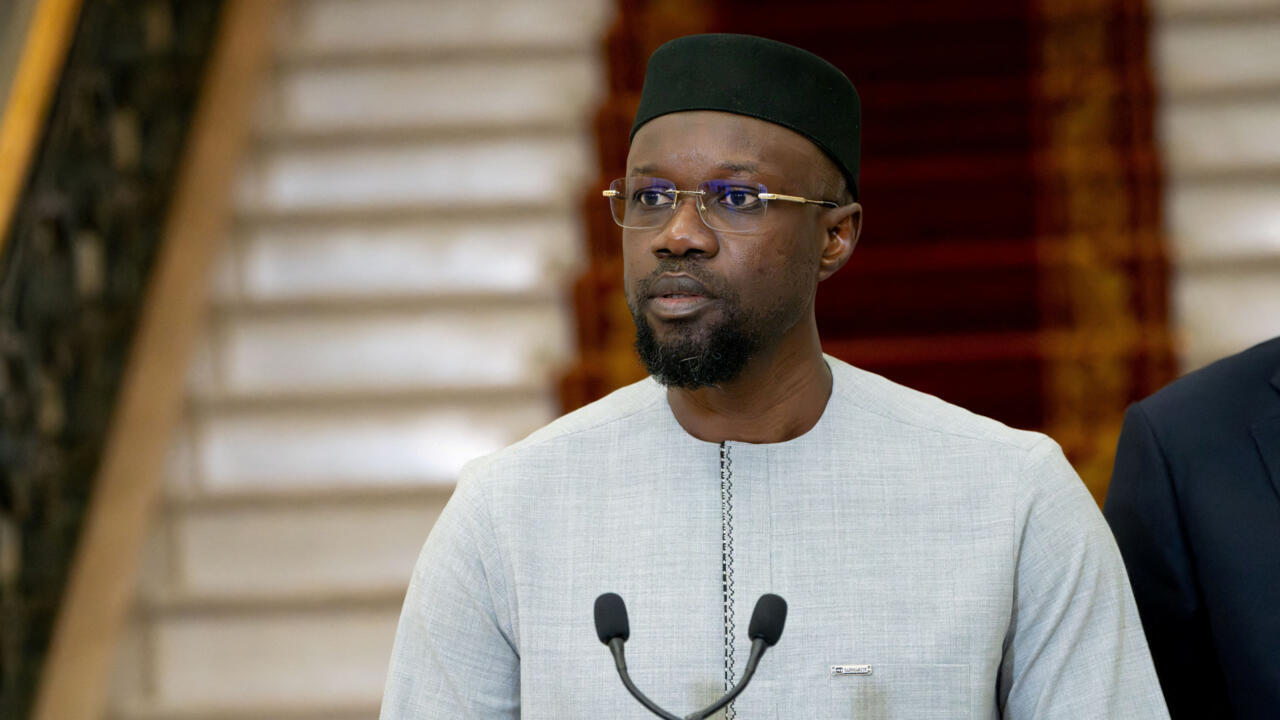
This morning’s National Assembly session is set to be a defining moment. The agenda includes the potential reinstatement of Ousmane Sonko as a deputy and the election of the Assembly President. The stakes could not be higher.
With 130 seats out of 165 secured by his party, Pastef, Sonko’s return would grant him a powerful platform to influence legislation, budgets, and reform agendas. “Is Sonko on track to claim the speaker’s chair?” queried Afrik.com. If successful, this move would create an unprecedented cohabitation, forcing the President to work alongside a parliamentary majority loyal to his fiercest rival.
Yet, legal uncertainties loom. Critics argue that Senegalese law typically treats the replacement of a deputy by a substitute as permanent for the duration of the legislature. The session promises to be electric, with the potential for heated debates and constitutional clashes.
2029 in sight: the shadow of the presidential election
As these political maneuvers unfold, the 2029 presidential election looms large on the horizon. Ousmane Sonko’s determination to reach the highest office appears unwavering. His party has already initiated electoral reforms, aiming to remove obstacles that previously blocked his candidacy. The question remains: will he wait for the natural election cycle, or will he seek to accelerate the political calendar, risking instability in the process?
“When two legitimacies from the same camp refuse to coexist, the entire system risks descending into permanent confrontation,” warned WalfQuotidien. Senegal, long hailed as a bastion of stability in a turbulent region, may be entering uncharted waters.
The formation of the new government adds another layer of complexity. Will the majority of ministers hail from Pastef, or will they be loyalists of President Faye without party ties? And what if Faye dissolves the Assembly, sending Senegalese back to the polls? The gamble could backfire spectacularly if Pastef reclaims its majority, positioning Sonko as the nation’s political kingmaker by 2029.