
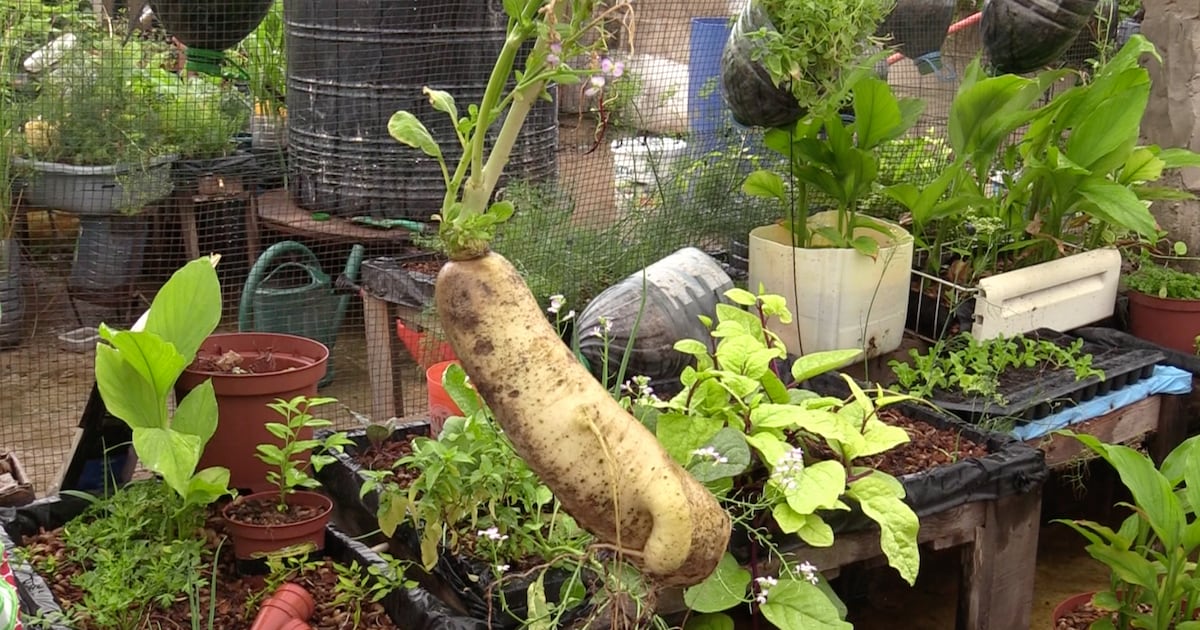
With rising demand for healthy, locally sourced food in Bamako, Mali’s organic markets are transforming the way residents shop. For over a decade, the Resapac network has championed direct producer-consumer relationships, eliminating middlemen to ensure fair prices for farmers and access to fresh, pesticide-free produce for city dwellers.
From field to fork: how Bamako’s organic markets work
At the heart of this movement is a model that prioritizes short supply chains, where food travels directly from farms to tables. The Resapac network unites producers, processors and consumers under a transparent, collective governance system. This approach not only reduces costs for shoppers but also guarantees that farmers receive fair compensation for their labor.
Gone are the days when consumers were passive buyers. Now, they play an active role by choosing products with a known origin and sustainable production methods. This transparency builds trust and encourages more people to support local agriculture.
Success stories from Bamako’s organic farmers
Abdoulaye Sacko, a vegetable grower who joined Resapac through a partnership with Mali Engrais, shares his experience: “I grow a variety of crops using only organic inputs, avoiding chemicals entirely. The network connects me directly with buyers, helping me meet their expectations more effectively.”
Since joining, Sacko has seen his financial situation improve. “My integration into Resapac has been life-changing. I now encourage fellow farmers to adopt organic practices.” His testimony highlights how the model benefits both producers and consumers.
A growing network of markets
What began as a single organic market in Sotuba has expanded into a robust network of four locations across Bamako: Sotuba, Badalabougou, Magnambougou and Hippodrome. Djènèba Diallo, coordinator of Resapac’s markets, explains: “Our goal remains unchanged: to bring agroecological products to Bamako’s residents while fostering direct links between farmers and shoppers.”
Why organic makes a difference
Diallo points out the stark contrast between conventional and organic produce. “Conventional fruits and vegetables often rely on heavy pesticide use, making them difficult to store beyond 24 hours. Organic products, on the other hand, stay fresh much longer.” This durability is just one of the many advantages that appeal to health-conscious consumers.
Bamako’s shift toward sustainable agriculture
The rise of organic markets in Mali reflects a broader trend where producers and consumers seek to balance food quality, fair wages and environmental sustainability. By eliminating unnecessary intermediaries, these markets ensure that more of the purchase price goes directly to farmers, while shoppers gain access to nutritious, locally grown food.