
Cotonou unlocks transformative funding to boost energy and food security
In a landmark move to accelerate its structural transformation, the government of Bénin and the World Bank have finalized two major financing agreements totaling $320 million. These investments, aimed at enhancing energy sovereignty, revitalizing agriculture, and strengthening human capital, represent a pivotal step toward sustainable economic growth and improved living standards for the nation’s citizens.
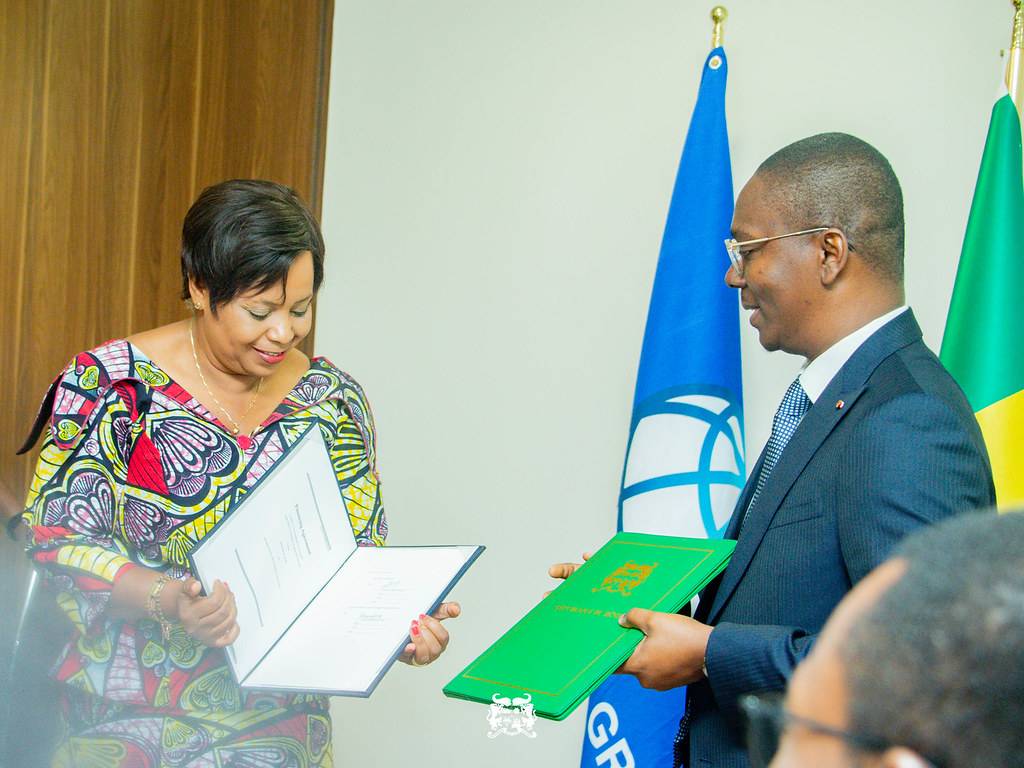
At the heart of this financial and strategic milestone is the modern Cité ministérielle in Cotonou, where government officials and World Bank representatives gathered to formalize the agreements. This landmark event underscores Bénin’s proactive approach to economic development, blending long-term infrastructure planning with social progress to create a more resilient and inclusive economy.
The Dogo-Bis dam: powering progress across agriculture and energy
The first agreement, valued at $150 million, is entirely dedicated to the construction of the Dogo-Bis multi-purpose hydroelectric dam. This ambitious project is designed to serve as the backbone of an integrated production ecosystem, far beyond its energy-generating capabilities.
On the energy front, the dam is a game-changer. By significantly boosting the country’s domestic electricity generation capacity, it will reduce Bénin’s reliance on regional energy imports—a longstanding vulnerability for local industries. As Édouard Dahome, Minister of Energy, Water and Mines, emphasized, the project will provide a steady and cost-effective power supply, particularly benefiting the Ouémé Valley’s industrial and agricultural sectors.
But the dam’s impact extends into agriculture. With secured water access, the Ouémé Valley—already rich in agricultural potential—can now support year-round crop yields and attract private investment in local food processing. This marks a crucial shift from subsistence farming to a more productive and commercially viable agricultural model.
ALAFIA I: investing in the future through nutrition and health
The second financing agreement, worth $170 million, funds ALAFIA I, a national program dedicated to nurturing Bénin’s future: “Nourishing Bénin for Tomorrow.” This initiative focuses on early childhood development, maternal and child nutrition, and public health, recognizing that a healthy population is the foundation of economic progress.
The returns on investing in early childhood are well-documented in global economic research. By prioritizing quality integrated services, Bénin aims to lower public health costs, increase school enrollment rates, and enhance the productivity of its future workforce. ALAFIA I is not just a social program—it’s a strategic investment in building a more dynamic and capable labor force for the decades ahead.
A holistic strategy: where energy, agriculture, and human capital converge
The true strength of these agreements lies in their synergy. As Hugues Oscar Lokossou, Minister Delegate for External Resource Mobilization and Debt Management, pointed out, these funds are not standalone solutions but part of a cohesive development vision.
By linking improved nutrition (via ALAFIA I) with expanded agricultural and industrial capacity (through Dogo-Bis), Bénin is creating a virtuous cycle. Agricultural output from the Ouémé Valley will feed urban and rural populations alike, reducing food import dependency, while a healthier population fuels industrial growth. Enhanced regional connectivity ensures that economic benefits are distributed equitably across the country.
A model for sustainable and inclusive growth in West Africa?
With this $320 million commitment, the World Bank has signaled strong confidence in Bénin’s financial governance and macroeconomic stability. In a regional context often fraught with uncertainty, Cotonou is positioning itself as a magnet for international investors and development partners.
The overarching goal is clear: to transition from an economy reliant on transit and subsistence agriculture to a semi-industrial, diversified, and resilient one. The emphasis on sustainable infrastructure and inclusive growth—particularly for rural women and children—reflects a development model that leaves no one behind. The signing of these agreements isn’t just a bureaucratic milestone; it’s a foundational step toward Bénin’s long-term prosperity and regional leadership in sustainable development.
Now, the focus shifts to implementation. With the eyes of citizens and economic observers trained on the government, the success of this vision will depend on efficient execution, timely delivery, and measurable impact across energy access, agricultural productivity, and human development.