
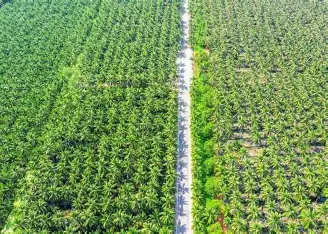
Porto-Novo has taken a decisive step toward reinforcing its agricultural sector through a strategic financial arrangement with the Islamic Development Bank (IDB). The agreement secures a substantial allocation of 12.57 billion CFA francs, earmarked for revitalizing Benin’s agricultural landscape. Central to this initiative is the restoration of soil fertility, a pressing concern exacerbated by increasingly erratic weather patterns affecting the nation.
Strategic diversification of funding sources
The selection of the IDB as a partner underscores a deliberate shift in Benin’s financial diplomacy. By engaging with this institution, the government is actively diversifying its funding streams, thereby reducing its long-standing reliance on traditional Western financial institutions. These conventional sources often impose stringent conditions and elevated interest rates, which can strain national budgets. The Islamic financing model, characterized by risk-sharing and asset-backed structures, provides a sustainable alternative for long-term agricultural infrastructure projects.
A calculated economic safeguard
From an economic standpoint, this investment is not merely an environmental consideration but a vital economic imperative. Strengthening soil resilience against droughts and floods directly safeguards the nation’s gross domestic product (GDP). By mitigating the risk of crop failure, Benin minimizes the need for costly emergency food imports, which deplete foreign reserves. This strategic foresight not only stabilizes the trade balance but also reinforces the country’s economic independence.