
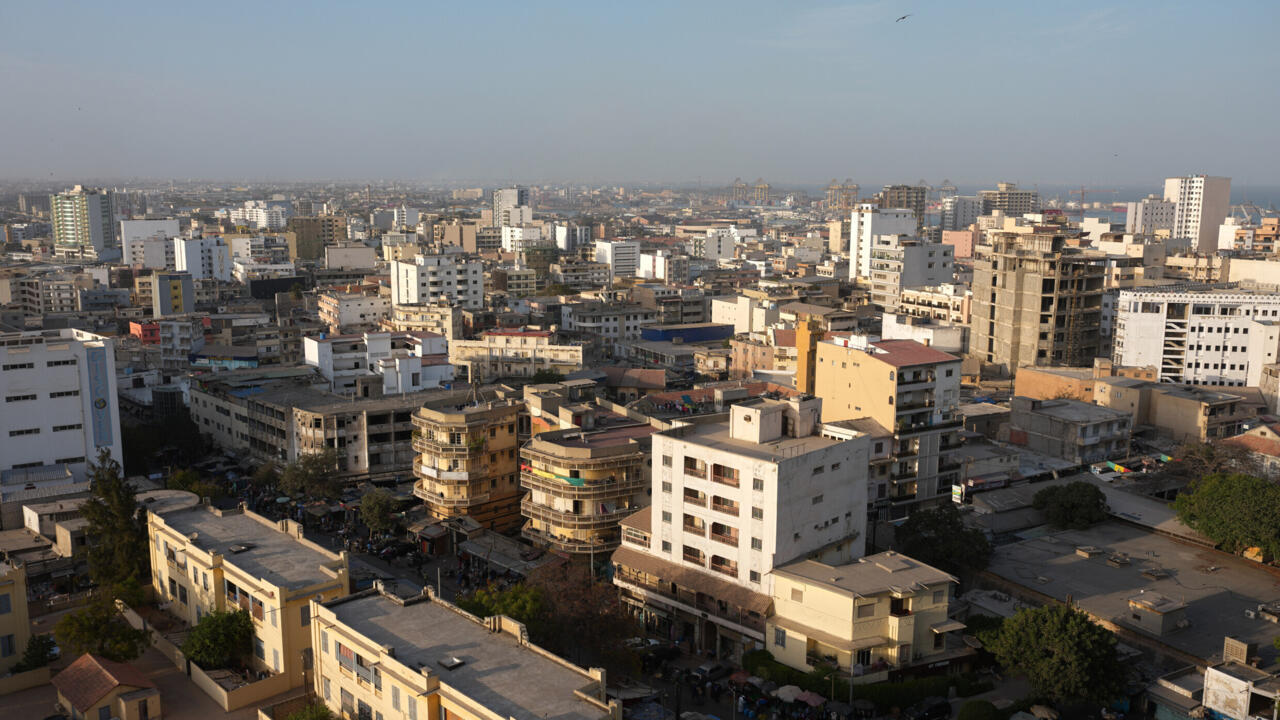
The flow of foreign direct investments (FDI) into the Sénégal has plummeted to just $37 million in 2025, a stark contrast to the annual average of $3 billion between 2022 and 2024, according to the latest United Nations Conference on Trade and Development (UNCTAD) report.
What’s behind the sudden drop in foreign investment?
The decline in FDI is largely cyclical. Major oil and gas projects like Sangomar and Grand Tortue have driven investment over the past few years, but most of those projects are now complete. Current focus has shifted to production, reducing the need for fresh capital inflows.
However, Sénégal could have attracted far more than the $37 million recorded in 2025, says Moubarak Lo, former economic advisor to the Prime Minister and now a private consultant. “The country has the capacity to secure between $3 billion and $5 billion in annual investments if it actively promotes its economy.
But Sénégal lacks a robust foreign investment promotion network. The country participates in roadshows, yet these efforts fall short. A proactive approach is essential, especially when attracting portfolio investments in government securities or treasury bonds. The challenge lies in applying the same strategic thinking to direct investments — a transformation that is long overdue.“
Debt levels not the primary concern
While Sénégal’s public debt reached 132% of GDP by the end of 2024, according to the IMF, this figure alone may not deter private investors. Justin Maria, Director of Access Bank France, argues that debt levels are not the main issue, citing France as an example. Despite a public debt exceeding €3.5 trillion, France continues to attract significant private investment.
For Maria, the real concern is the lack of transparency. “Sénégal is now perceived as a high-risk destination — not necessarily due to long-term fundamentals, which remain sound, but because short-term financial visibility is unclear. Investors need clear insights into public finances and liquidity status before committing capital.“
Recovery within reach
Moubarak Lo dismisses the idea that Sénégal is a high-risk country. He believes the nation can swiftly regain its appeal as an investment destination. Despite the IMF temporarily suspending its program with Sénégal in late 2024, ongoing discussions continue to shape the country’s economic trajectory.
“Right now, Sénégal has around 20 to 30 major projects on the table. The strategy should involve engaging directly with five or six key global companies and persuading one of them to invest. If we act decisively, we can turn things around this year, or at the latest by 2027.“
While FDI inflows have dwindled in Sénégal, neighboring countries like Guinée saw a significant increase in 2025, receiving over $7.7 billion in foreign investments, according to UNCTAD.