
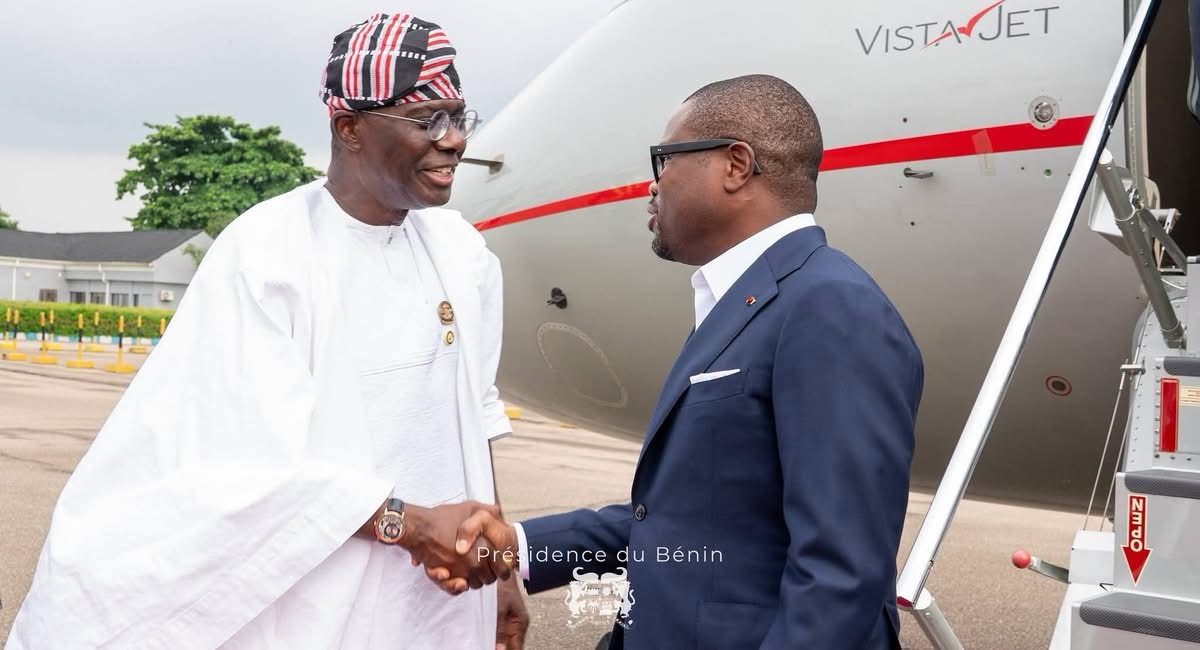
In a region where state-owned presidential aircraft often symbolize sovereignty and prestige, the Republic of Benin has adopted a radical departure from convention. By embracing the asset-light model, the government has chosen operational flexibility over the burdens of ownership, opting for on-demand private jet charters instead of investing in and maintaining state-owned aircraft.
a disruptive managerial approach to public governance
The asset-light strategy, widely used in corporate finance to minimize physical asset ownership and maximize operational agility, has been adapted by Benin as a cornerstone of its public sector management. For a developing nation, the implications are profound. A presidential aircraft is no longer viewed as an emblem of national pride but as a luxury liability—one that drains resources without generating tangible returns.
the hidden costs of ownership
The financial burden of owning a long-range aircraft, such as a Boeing 737 Business Jet (BBJ), extends far beyond its purchase price. Fixed costs—including mandatory aviation maintenance, certified crew salaries, international insurance premiums, and hangar fees—remain constant regardless of actual flight hours. These expenses accumulate even when the aircraft sits idle, making ownership an inefficient use of public funds.
By contrast, the rental model ensures that Benin incurs costs only when the aircraft is in use. Maintenance, modernization, and operational risks are transferred to private providers, aligning expenses directly with the government’s actual needs. This approach eliminates the financial strain of idle capacity and reduces exposure to technological obsolescence.
ownership vs. flexibility: a financial comparison
The traditional model of state aircraft ownership imposes a rigid cost structure. High fixed expenditures—such as international insurance, permanent crew salaries, and extensive maintenance programs—tie up billions of FCFA in a single asset. In contrast, Benin’s asset-light framework converts these fixed costs into variable expenses, paid only upon actual usage.
From an economic standpoint, ownership immobilizes capital that could otherwise be directed toward productive sectors like infrastructure, healthcare, and education. The asset-light model preserves liquidity, allowing the government to reallocate funds dynamically. Additionally, it grants Benin the strategic advantage of selecting aircraft tailored to specific missions—whether short-haul regional travel or long-distance state visits—without the long-term commitment of ownership.
the boeing 737 cancellation: a turning point in fiscal responsibility
The most decisive act in this policy shift was the cancellation of a pending Boeing 737 order inherited from a previous administration. Initiated under former President Boni Yayi, the aircraft was intended to project an image of global influence. However, upon taking office in 2016, President Patrice Talon made a strategic decision to halt the purchase.
Rather than finalizing a multi-million-dollar investment in an aircraft destined to spend most of its time grounded, the government reallocated the remaining funds to high-impact national priorities. These included road infrastructure, rural electrification, potable water access, and the national asphalt paving initiative. The decision underscored a fundamental principle: public funds must serve development, not symbolism.
lessons in modern governance and fiscal sobriety
Benin’s asset-light governance model challenges conventional perceptions of state power. It demonstrates that a nation’s diplomatic influence is not measured by the size of its fleet or the luxury of its aircraft, but by the strength of its economic policies and the integrity of its governance.
In an era of tightening global credit and fiscal prudence, this approach is not merely innovative—it is visionary. By rejecting the accumulation of prestige assets, Benin has set a precedent for fiscal responsibility, proving that true sovereignty lies in the efficient allocation of resources rather than the accumulation of symbols.