
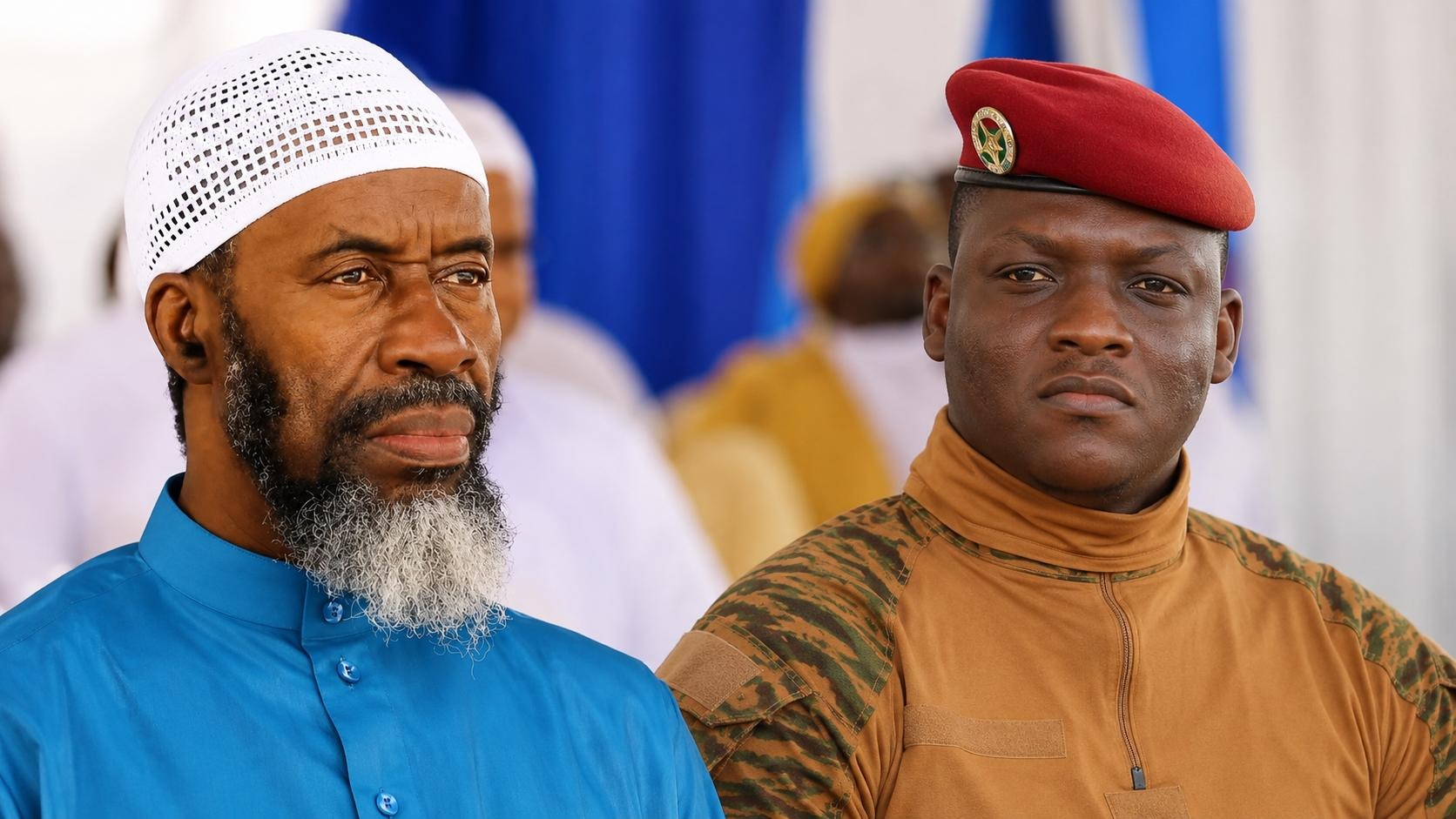
In a move that has left many bewildered, the regional governor of Kadiogo has ordered the closure of a major sunnite mosque in Ouagadougou, a decision that threatens to deepen social fractures in a nation already grappling with instability. The abrupt sealing of the mosque’s gates, justified under vague claims of public order risks, arrives at a moment when Burkina Faso’s political leadership faces mounting scrutiny over its handling of internal dissent.
From political ally to target: a shift in strategy
The timing of this closure cannot be divorced from recent political history. During Burkina Faso’s transitional phases, sunnite communities played a pivotal role in bolstering the legitimacy of the current administration. Their disciplined mobilization, rooted in faith and national pride, provided a crucial foundation for governance strategies. Yet today, those same communities find themselves abruptly distanced from the halls of power they once helped elevate.
This reversal exposes a glaring contradiction: the mosque, once a symbol of unity and support for state institutions, now stands as a contested space under state sanction. The message to worshippers is clear—their loyalty to the nation is now secondary to the government’s evolving priorities. Such a calculation risks alienating a constituency that has long been instrumental in shaping Burkina Faso’s political narrative.
A decision that risks fueling discontent
Burkina Faso’s social fabric remains fragile, with cohesion hanging by a thread amid ongoing security and economic challenges. In this climate, a top-down decision to shutter a central religious site without robust justification risks exacerbating tensions rather than resolving them. Rather than stemming potential unrest, the closure may instead fuel a quiet but potent resentment, pushing disillusioned faithful toward more clandestine forms of resistance.
Administrative measures of this nature, when enacted without dialogue or transparency, often backfire. The abruptness of the order suggests a lack of strategic foresight—one that overlooks the long-term consequences of severing ties with a community that once stood as a pillar of stability.
Why coercion fails where dialogue could succeed
The rule of law remains essential, but its application must be balanced with fairness and inclusivity. A government that once courted religious leaders for their influence now risks squandering that trust by imposing punitive measures without consultation. Stability does not flourish under exclusion—it requires engagement.
For Burkina Faso’s leadership, the path forward is clear: suspend this divisive decision and prioritize meaningful dialogue with religious and community leaders. Without such steps, the current trajectory risks deepening an already dangerous rift between the state and a key segment of its population. The cost of such a misstep may prove far greater than the perceived benefits of a swift, but ill-advised, administrative action.