
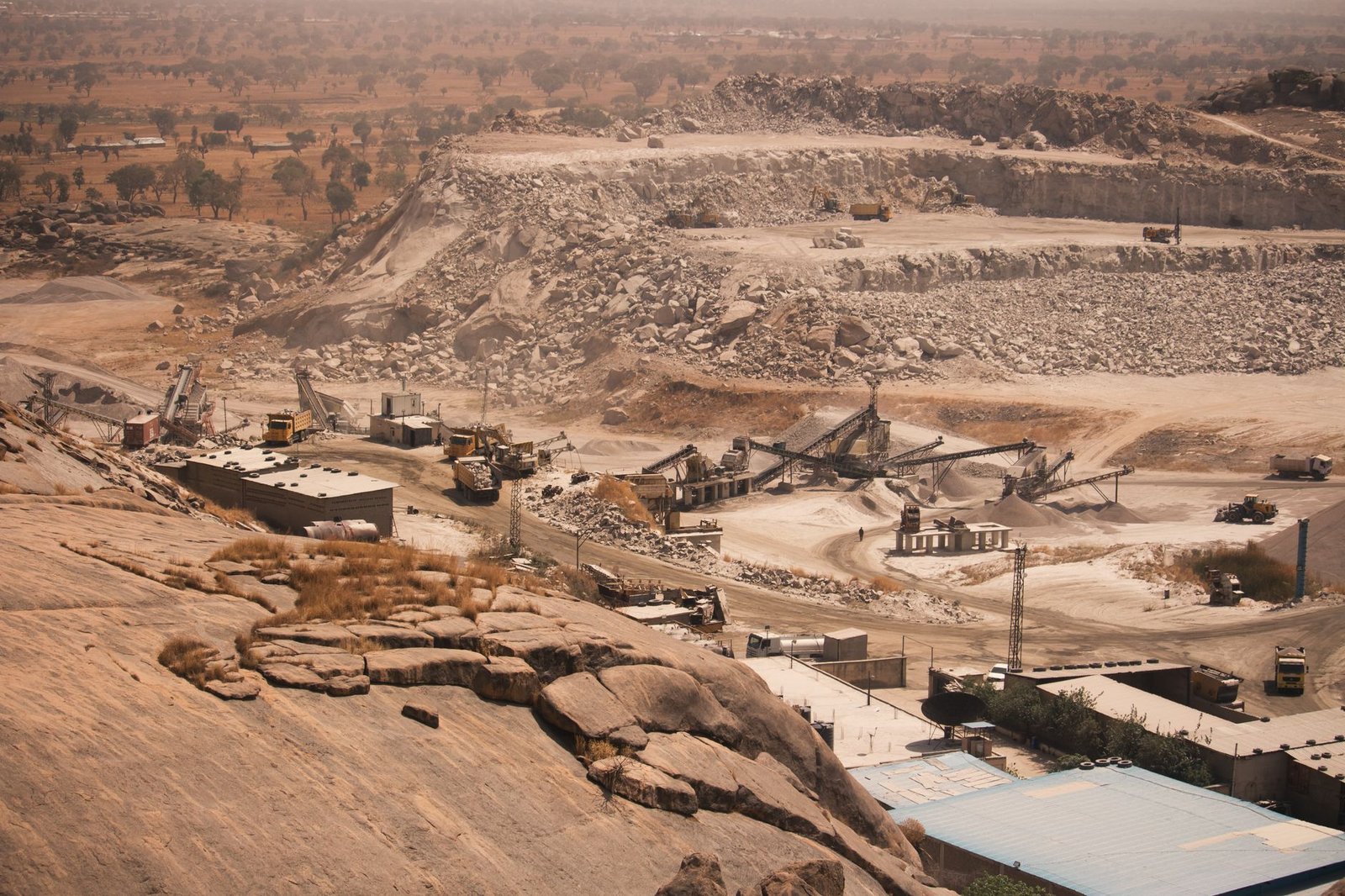
The gold mining sector in Gabon is undergoing an unprecedented scrutiny phase. The Ministry of Mines has initiated a comprehensive audit of all mining titles granted to companies operating in the country’s gold industry, starting July 16, 2026. Every permit holder must submit complete administrative, technical, and financial documentation to a dedicated commission. This initiative aligns with efforts to enforce compliance and address long-standing concerns about transparency within the sector.
Mandatory review for all gold mining titleholders
All enterprises holding exploration or exploitation permits in the gold mining segment will be summoned for evaluation. The audit will focus on three critical dimensions: the legitimacy of mining titles, the technical rigor of on-site operations, and the financial capacity of holders to meet their obligations. Authorities aim to ensure that permit holders adhere to the terms agreed upon during the awarding process.
The initiative goes beyond mere compliance checks. It seeks to identify genuinely operational actors, distinguishing them from those holding dormant titles—permits that remain inactive without contributing to the country’s fiscal or economic growth. This phenomenon, known in mining jargon as dormant titles, locks away high-potential geological zones while depriving the state of revenue. Gabon’s approach mirrors a broader regional trend, as neighboring countries in Central and West Africa tighten regulations on permit retention.
Cleaning up a key sector for public revenue
Gold has become central to Gabon’s economic diversification strategy, which has historically relied on oil and manganese. The government aims to formalize an industry still dominated by informal gold panning, where commercial transactions often evade tax authorities. By formalizing industrial and semi-industrial players, officials hope to capture a larger share of gold production currently exported through untraceable channels.
Yet the stakes extend beyond fiscal concerns. Transition authorities and incoming institutions have prioritized natural resource sovereignty as a cornerstone of their agenda. Auditing gold mining titles serves as a litmus test for the administration’s ability to enforce regulations, particularly against operators linked to foreign groups or cross-border gold panning networks.
Consequences for non-compliant companies
Businesses failing to comply or unable to validate their titles face severe penalties, including permit revocation. This is not an idle threat: similar campaigns in other African jurisdictions have led to the cancellation of dozens of titles, freeing up mining blocks for redistribution through stricter bidding processes. For Libreville, this audit could pave the way for targeted reallocations, emphasizing financial robustness and local content requirements.
International investors will closely monitor the process. Predictable legal frameworks are vital in the extractive industry, where investment cycles span decades. A well-executed, transparent audit with clearly justified decisions could enhance Gabon’s appeal. Conversely, a discretionary approach risks deterring private capital at a time when the country seeks to attract new industrial partners to its mining sector.
The announced timeline provides companies with a few weeks to compile documentation and prepare for the commission’s review. The coming months will reveal whether this campaign results in a genuine overhaul of Gabon’s gold mining landscape or remains a mere administrative exercise.