
State-controlled narratives portray the Burkina Faso under Captain Ibrahim Traoré as witnessing an unprecedented transformation, dubbing it a mythical « eldorado ». However, this discourse leans more toward political messaging than an accurate reflection of the nation’s current state. Despite lofty claims of a « popular progressive revolution », daily life for many Burkinabè remains overshadowed by persistent insecurity, economic hardship, and unmet expectations for tangible progress.
Leadership’s grand vision clashes with ground-level challenges
Since assuming leadership, Captain Traoré has repeatedly declared his intention to spearhead a national revival, accelerate industrialization, and reclaim every inch of Burkinabè territory. Yet, despite these bold pronouncements, concrete improvements remain elusive for large segments of the population. While isolated infrastructure projects have been initiated, their impact falls far short of the sweeping transformation being advertised.
Official rhetoric insists that Burkina Faso is steadily advancing toward endogenous development and laying the groundwork for a prosperous future. This assertion, however, warrants careful scrutiny. The nation continues to grapple with entrenched challenges, particularly in security. Repeated attacks across multiple regions and the displacement of thousands of civilians underscore the fragility of progress. Additionally, public service access, economic constraints, and rising living costs remain pressing concerns for ordinary citizens.
Humanitarian crisis compounds national struggles
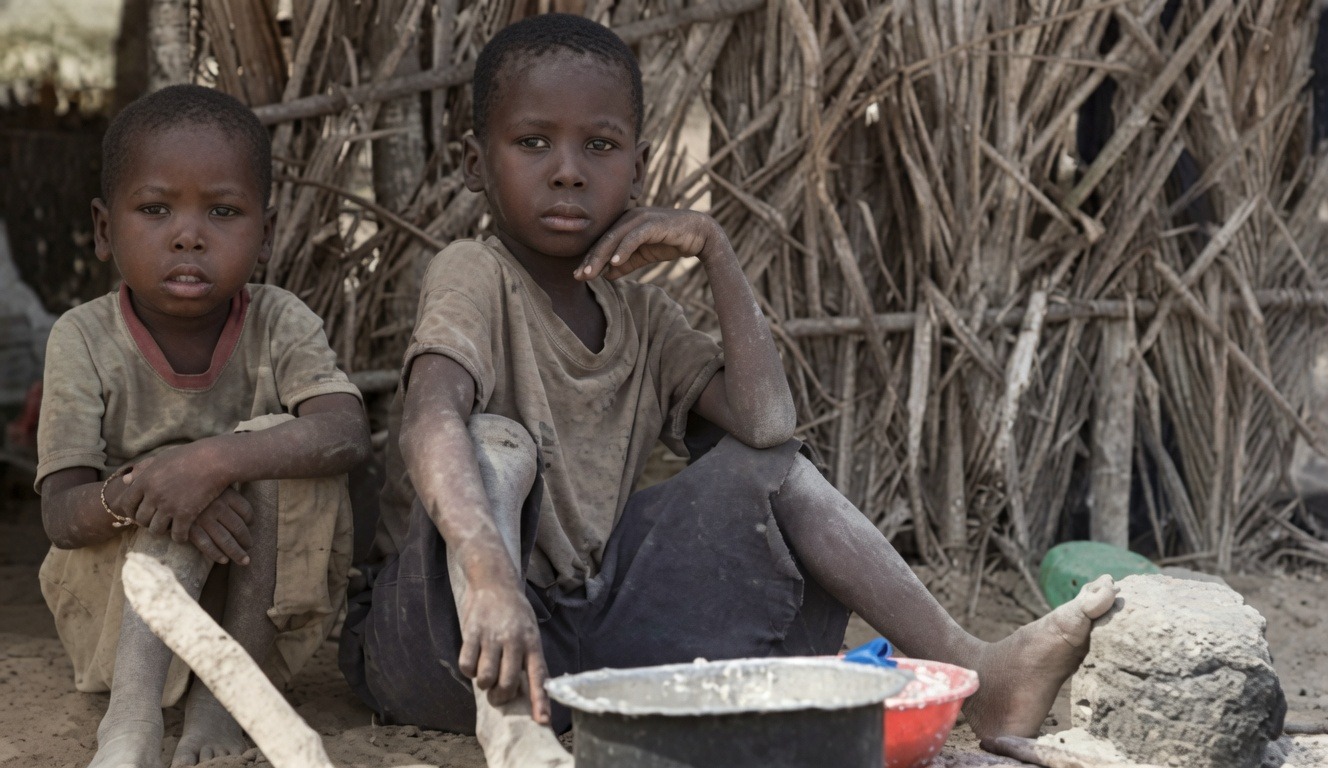
The security crisis has catalyzed a severe humanitarian emergency, forcing countless families to flee their homes in search of safety—often crossing into neighboring countries. These mass displacements highlight the ongoing instability gripping several parts of the nation.
In the hardest-hit areas, communities face daunting obstacles securing food, medical care, and essential services. Disrupted agricultural cycles, supply chain disruptions, and restricted humanitarian access have exacerbated food insecurity for thousands of households. In regions where state security presence remains thin due to persistent threats, residents endure dire conditions, relying heavily on intermittent humanitarian aid when it manages to reach them.
Public sentiment shifts from hope to skepticism
For many observers, the portrayal of Burkina Faso as an « eldorado » appears less like an objective assessment and more like a deliberate attempt to cast the transitional leadership in a favorable light. Once buoyed by strong public enthusiasm, Ibrahim Traoré’s popularity now appears to be waning amid unfulfilled promises and a growing disconnect between rhetoric and reality.
A growing number of citizens express fatigue with sweeping sovereignist declarations and ambitious announcements that yield little practical benefit. Their priorities are clear: enhanced security, job creation, economic stability, and more responsive public services. For them, speeches alone are insufficient; only measurable improvements will restore trust in leadership.
True progress hinges on action, not rhetoric
Assertions that Burkina Faso has decisively overcome its challenges seem premature. Sustainable development cannot be gauged solely by the announcement of new projects or political speeches. It is measured by tangible improvements in living conditions, territorial stability, and the state’s ability to meet the needs of its people.
Statements such as Ibrahim Traoré’s claim that « the current context is not that of 1987 » are framed within a broader political narrative emphasizing the sovereignty of the Alliance of Sahel States (AES). While this message resonates with some, it does little to address fundamental questions about governance, economic performance, or security. Analysts argue that the real test lies not in political posturing but in the government’s capacity to convert ambition into measurable, citizen-focused results.
Ultimately, labeling Burkina Faso an « eldorado » appears less like a reflection of reality and more like a strategic communications effort. Until promised outcomes materialize into visible improvements in daily life, such narratives risk meeting increasing skepticism from a population yearning for action over slogans.