
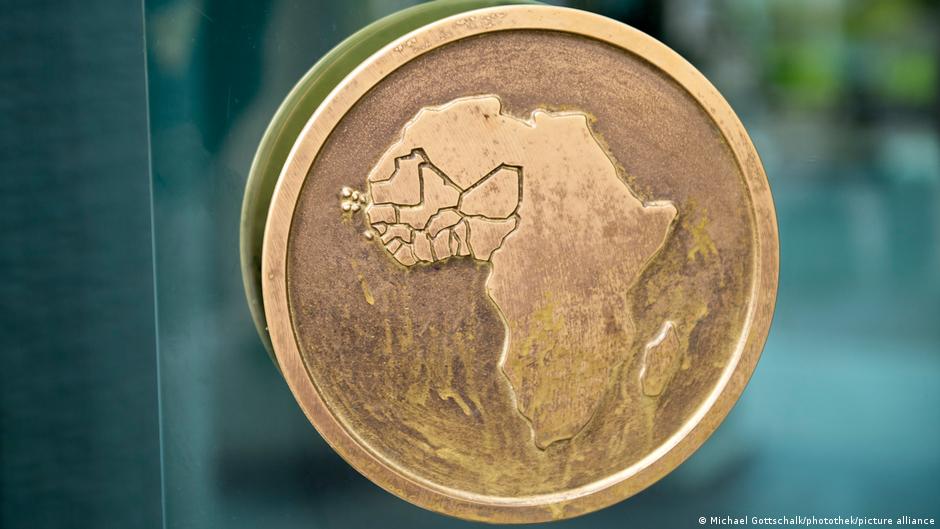
The Economic Community of West African States (ECOWAS) is convening its 69th summit in Freetown, Sierra Leone, this weekend, amid mounting pressure to address pressing regional challenges. Yet the absence of three key members—Burkina Faso, Mali, and Niger—casts a long shadow over the proceedings. These nations, now part of the Alliance of Sahel States (AES), have distanced themselves from the bloc, leaving ECOWAS to grapple with its relevance and future direction.
ECOWAS at a Crossroads: Rebuilding trust after departures
The withdrawal of Burkina Faso, Mali, and Niger has forced ECOWAS into uncharted territory. While their absence weakens the bloc’s unity, regional leaders must now decide how to safeguard vital interests—trade, borderless movement, and collective security—in a climate of escalating terrorist threats. The AES alliance may have shifted allegiances, but geography ensures these nations remain indispensable partners.
Aliou Diakite, a seasoned ECOWAS analyst, highlights the urgency of the moment: “This summit must confront the bloc’s future, tackling intertwined crises—organized crime tied to terrorism, shifting political landscapes after elections, climate-induced challenges, and recurring epidemics. These are the forces reshaping West Africa and demanding bold leadership from heads of state.”
Delayed regional force inches closer to deployment
Another critical agenda item is the long-awaited ECOWAS standby force, designed to respond swiftly to terrorism and political instability. Despite years of planning, the force remains non-operational. This week’s preparatory meetings in Freetown signal renewed determination among member states to fast-track its deployment.
Michel Ange Bangoura, Guinea’s coordinator for ECOWAS cooperation, emphasizes the logistical hurdles: “Institutional frameworks are in place, but funding and operational logistics remain unresolved. Each country must commit at least one company, and a host nation for the headquarters must be selected without delay.”
When pressed on timelines, Bangoura strikes an optimistic note: “Discussions this week will likely finalize a short-term deployment plan, beginning with the assembly of troops in a designated country.”
Credibility and reform: ECOWAS’s path to renewal
The summit also underscores the need for sweeping institutional reforms to restore the bloc’s credibility. Years of political turbulence, including coups and governance failures across West Africa, have eroded trust in ECOWAS’s ability to deliver stability and prosperity. Leaders are expected to outline concrete steps to revitalize the organization and align it with the region’s evolving realities.
As Freetown prepares to host the gathering, the message is clear: ECOWAS stands at a defining juncture. The choices made this weekend will determine whether the bloc can reclaim its role as a unifying force in a fractured region.